

Von Marlis Zoschke
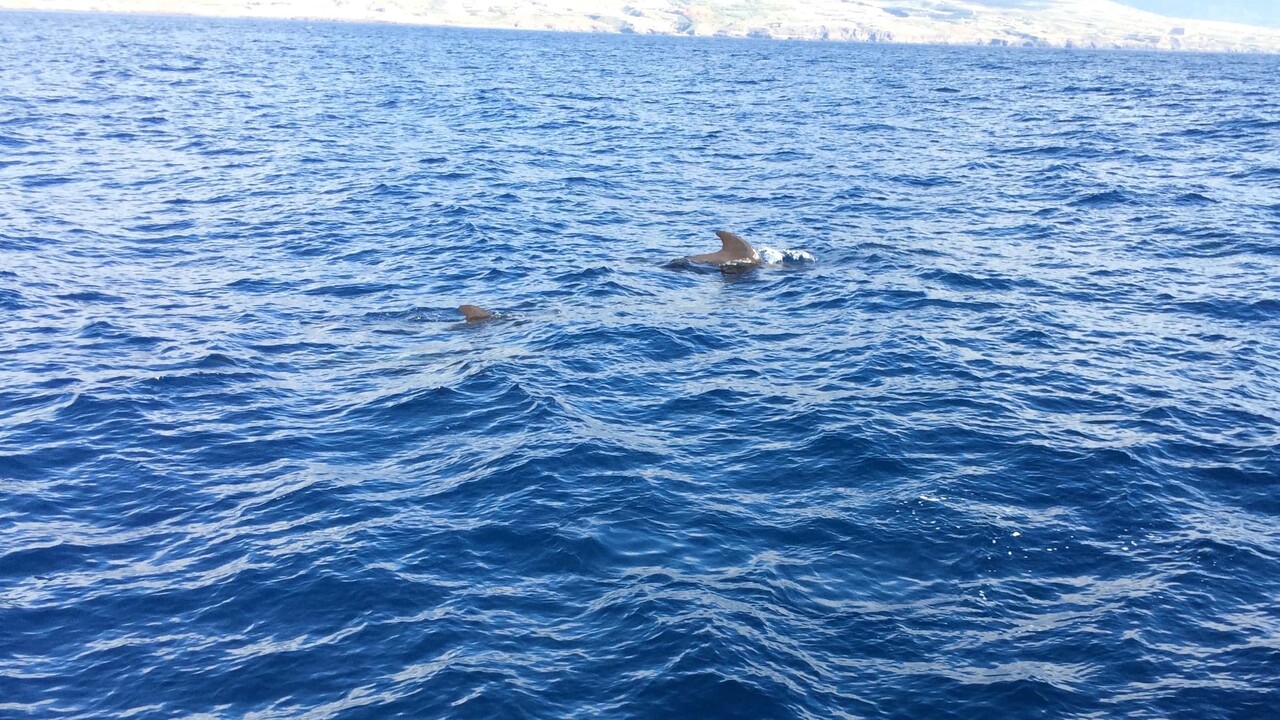
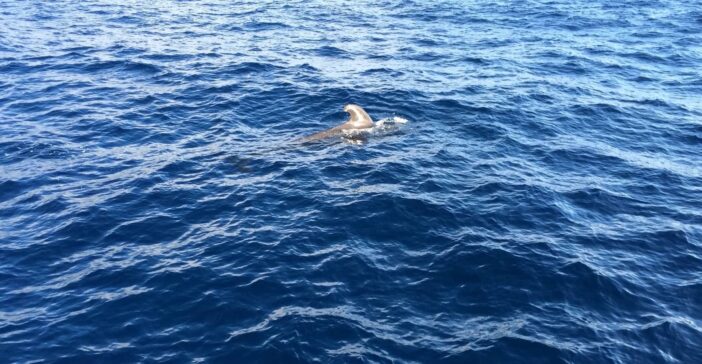
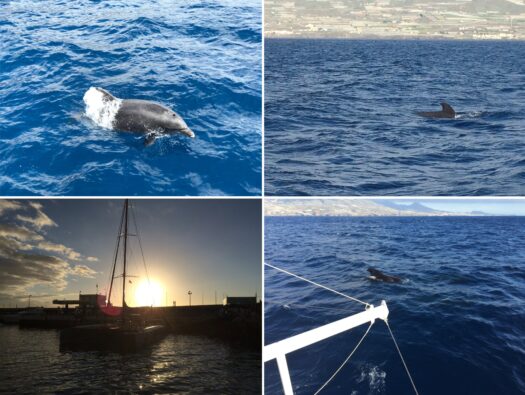
Every week there are negative reports about Tenerife. But last week there was a television programme that very few holidaymakers are likely to have seen. The Teno-Rasca whale sanctuary is situated between Tenerife and La Gomera. It is home to the world’s largest permanent population of short-finned pilot whales.
The marine biologist estimated there were between 400 and 500 animals. They can grow up to six metres in length and weigh up to two tonnes. Like long-finned whales and orcas, they belong to the dolphin family, although orcas are the largest.
During our stay, we didn’t spot any pilot whales. The environment and nature were never a major topic of conversation. There was little sign of the whales during the day either, as they tend to keep to themselves and only go out to catch squid at night.
Whale sanctuary off Tenerife
During the Falklands War, there was no mention of the whales either. Locals reported that British warships on their way to Argentina frequently took the route between Tenerife and La Gomera. However, I haven’t read about this anywhere, nor have I seen it myself. Fortunately, the turmoil lasted only a few months, after which calm returned. In Buenos Aires, however, it seems they haven’t given up on the Malvinas yet; the many posters during the World Cup were a case in point.
In the Canary Islands, however, everyone is sure to be delighted by the many marine mammals found between the islands. Yet it seems that the message that these animals need clean water has still not got through in Tenerife. How can it be that an island so heavily reliant on tourism has, even after so many years, still not ensured that no untreated sewage ends up in the sea?
The hillsides aren’t intended for that either. A few weeks ago, I read about several children who had fallen ill; the cause may have been polluted beaches and contaminated water. Children are often more sensitive to this than adults.
Health must come first, not five-star hotels or expensive restaurants. Very few families can afford any of that.


No comments on this article yet.