


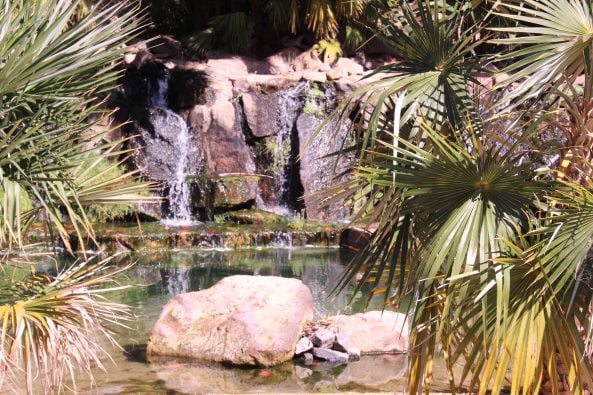
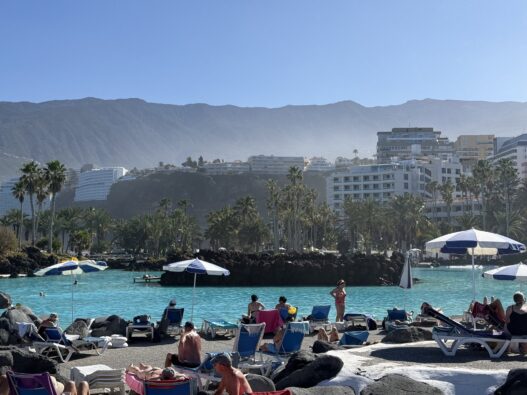
They are beautiful, but can turn into a death trap in the blink of an eye: the natural swimming pools of the Canary Islands attract locals and tourists alike. This is because they promise the pleasure of swimming in crystal-clear seawater. Yet the charcos should not be underestimated.
As soon as the sea becomes a little rougher, the supervised seawater pools are closed. But these account for only a fraction of the Charcos. And even in good weather, a high wave can form seemingly out of nowhere. One in five drowning deaths in the Canary Islands occurs in one of these natural swimming pools.
There are around 500 such ‚charcos‘ in the Canary Islands. There is also a natural swimming pool of this kind at Los Gigantes. A serious accident occurred there recently. Out of nowhere, a large wave crashed into the pool and swept seven people away.
Fortunately, the swimmers were merely pushed against a rock face and not swept out to sea. Such incidents often prove fatal. In this case, the bathers were lucky and escaped with injuries. One of them suffered a serious head injury, another sustained chest trauma, and others came away with open wounds to their arms and legs. According to the emergency services, it was sheer luck that no one lost their life.
Tancón Cave on Tenerife: Many deaths despite a swimming ban
Not far from this natural pool lies El Tancón Cave. At least six people have lost their lives there over the past five years. In addition, numerous swimmers have had to be rescued from drowning after being thrown against the rocks by the waves and sustaining injuries.
The Cueva del Tancón in the municipality of Santiago del Mount Teide looks stunning. However, the currents inside are life-threatening. Rescue divers who have had to recover bodies there compare it to a washing machine on spin cycle.
More drowning deaths in the Canary Islands
By the end of November 2022, 66 people had already lost their lives to drowning. That was two more deaths than in the whole of 2021. In November alone, there were 16 further deaths. The Atlantic is considered particularly unpredictable in winter. One in five fatal accidents occurred in one of the seawater swimming pools.
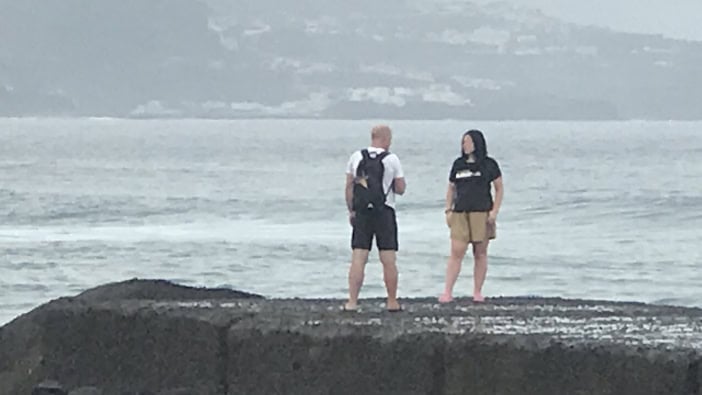
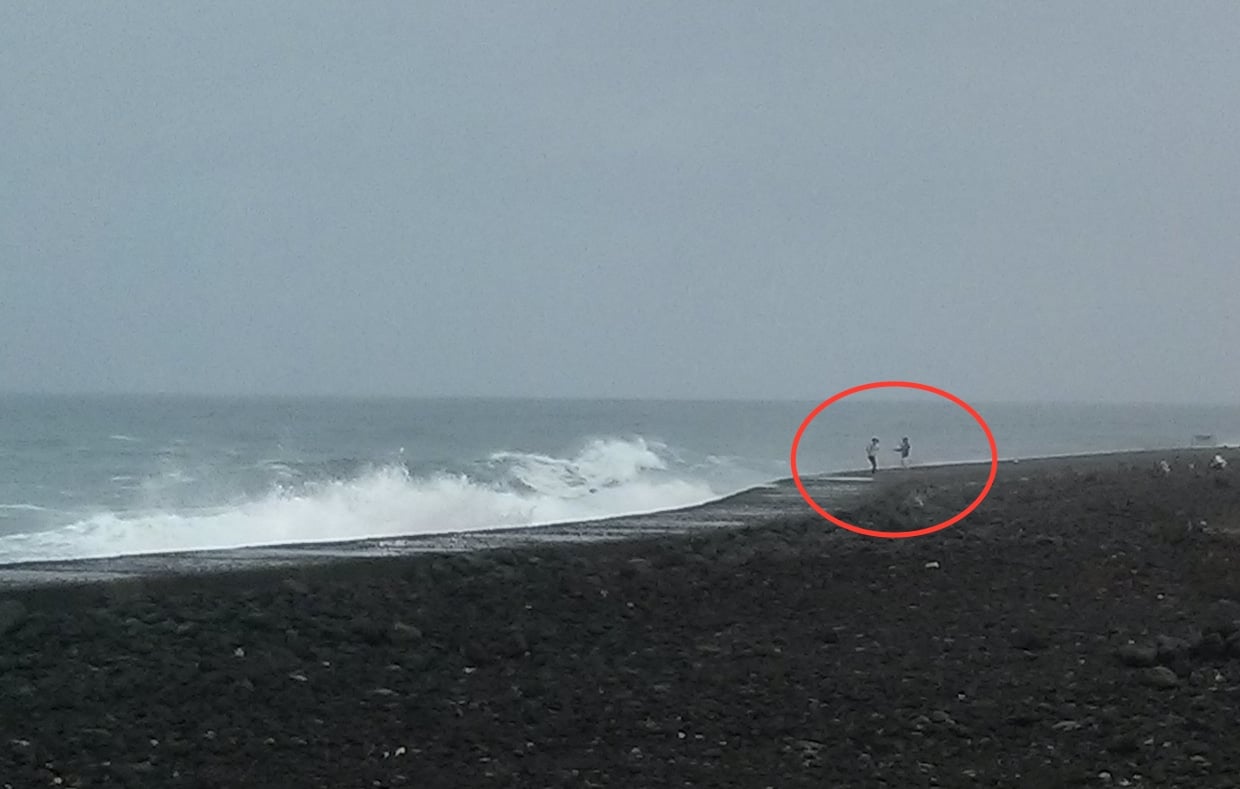
Experts see recklessness as a major part of the problem. In the Tancón Cave, for example, swimming is strictly forbidden. Nevertheless, there are always daredevils who ignore all the warnings. A similar spot is the pier in Puerto de la Cruz, which is regularly swept over by waves several metres high. Yet many tourists do not see it as a danger, but rather as a photo opportunity:
Four mistakes that often cost tourists their lives
The information portal „1500 km de Costa“ focuses on deaths by drowning – and on prevention. The portal takes its name from the total length of the Canary Islands‘ coastline. Experts identify four main reasons for death by drowning.
Many swimmers believe they are safe from currents in natural water pools. And that is precisely what can sometimes prove to be a fatal misconception. This is because large waves can become a death trap. If a swimmer is thrown against one of the rocks by a wave, they may suffer serious injuries or lose consciousness, which can lead to death.
Furthermore, the waves can sweep a swimmer out to the open sea. Panic can also set in, which often proves fatal as it rapidly drains all one’s energy.
And finally, there is the ‚Wrong Hero‘ syndrome. It describes people who see someone drowning and, as a reflex, jump into the water. However, anyone who jumps into the sea empty-handed will quickly become a second victim. Experts therefore advise, particularly in rough seas, to contact the 112 emergency services and follow their instructions. For example, it can be helpful to throw something to the drowning person that they can hold on to.
Canary Islands: Wave intervals are also often underestimated
In addition to these four reasons for drowning, there is another factor. This is because high waves often occur in intervals. Seven to eight waves are said to be particularly high. Many bathers then mistake the last wave of such an interval for the end of the set. However, experts say that such intervals usually repeat every four to five minutes. And that is precisely where a further danger lies.
The solution is to take warning signs and flags on the beaches seriously and to trust the lifeguards‘ experience. If they issue a personalised warning, it should be taken very seriously and not dismissed.
Watch now:
Photos: Why you should always take a wave warning very seriously




No comments on this article yet.