
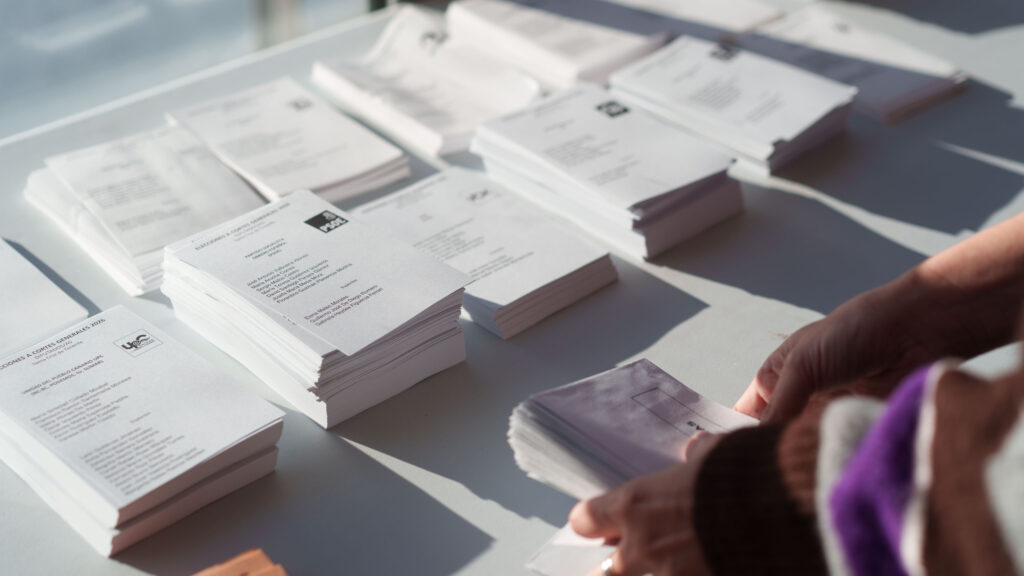
Turnout in the Canary Islands: at 17:00 it stood at 57.58 per cent, well above the figure for 2023.

This page brings together reports on elections in the Canary Islands, from voter turnout and candidates casting their ballots to the statements made by the parties on election day. Below you will find the latest news on this topic.
Turnout in the Canary Islands: at 17:00 it stood at 57.58 per cent, well above the figure for 2023.
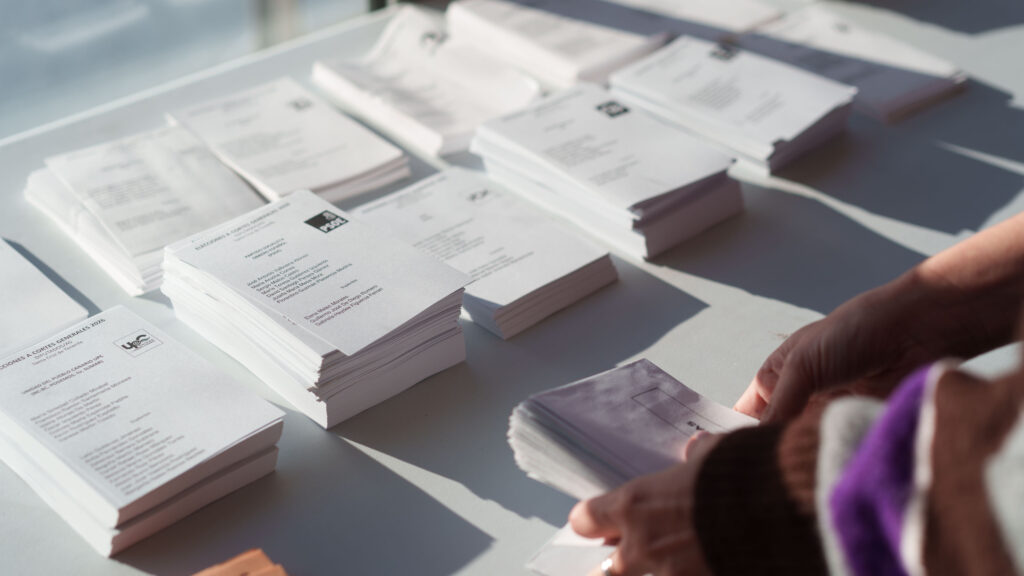
Canary Islands voters are turning out in much greater numbers than in 2023: at 13:00, turnout stood at 35.37 per cent. The figures at a glance.
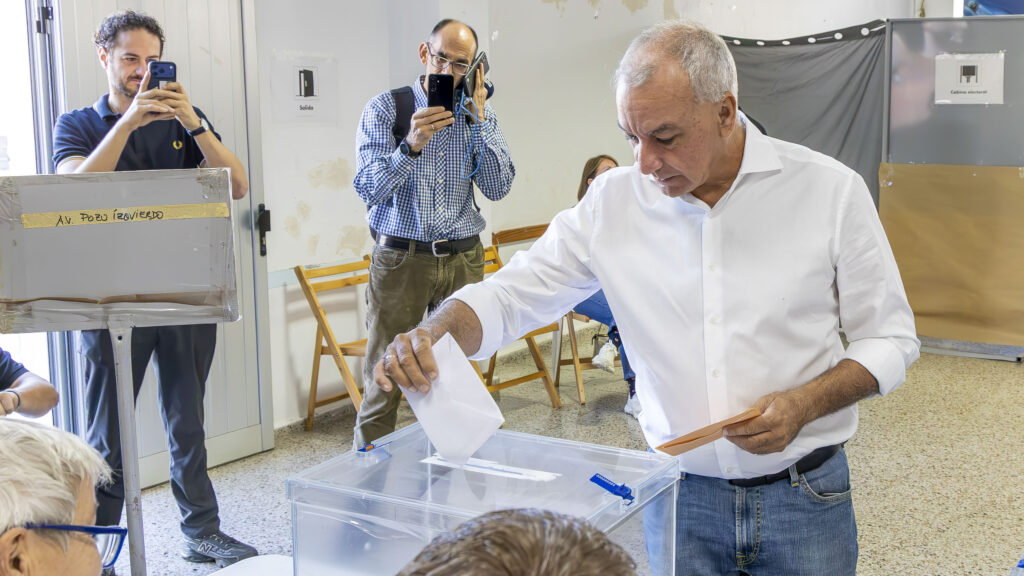
Luis Campos of Unidad del Pueblo Canario is urging Canarios to vote. How he assesses the opinion polls is set out in the article.
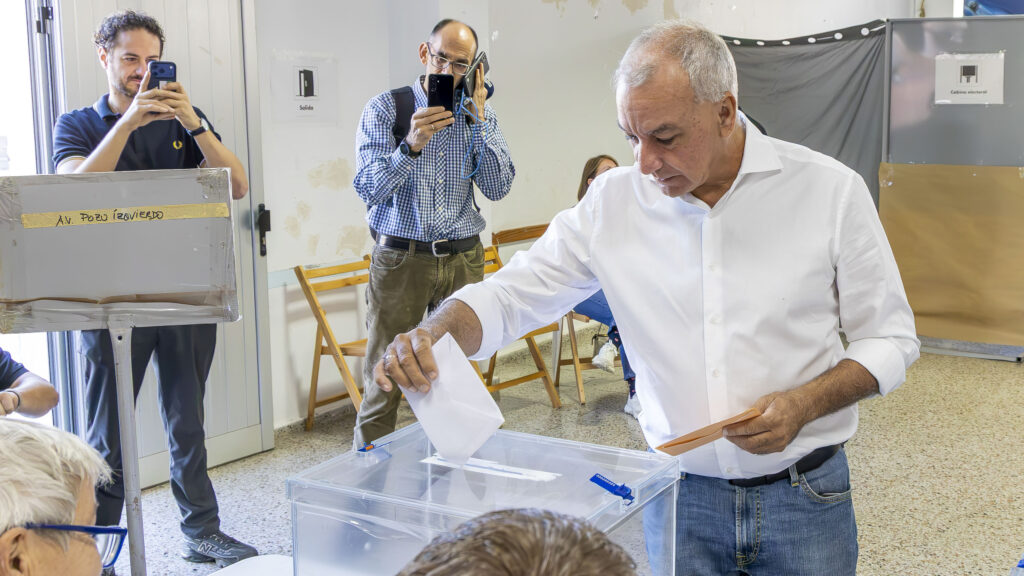
The UPC believes rights and self-government are at stake in the Canary Islands. Candidate Luis Campos is calling for people to vote with confidence.
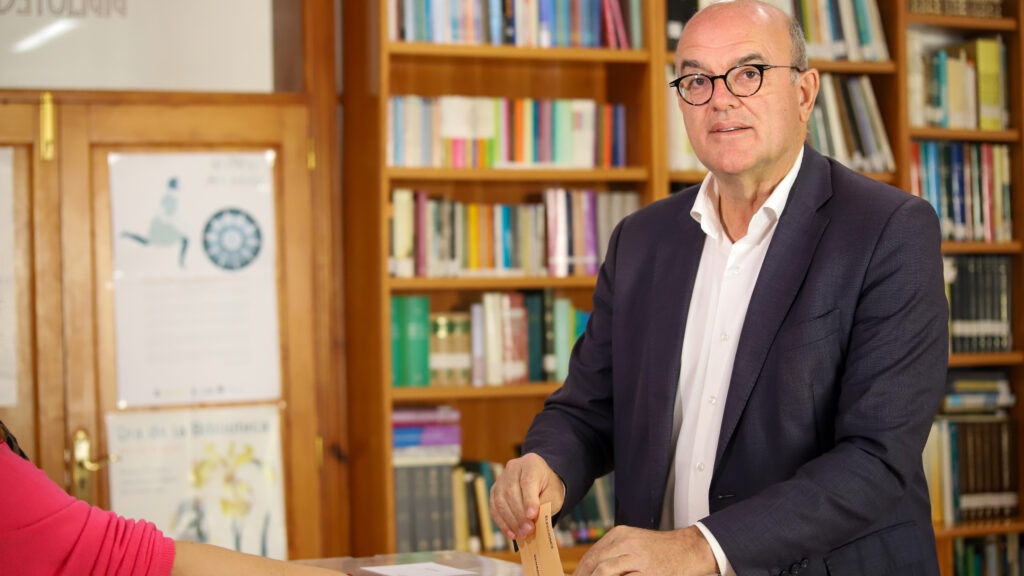
Election day in the Canary Islands: all polling stations are open and fully operational, according to government delegate Pestana.
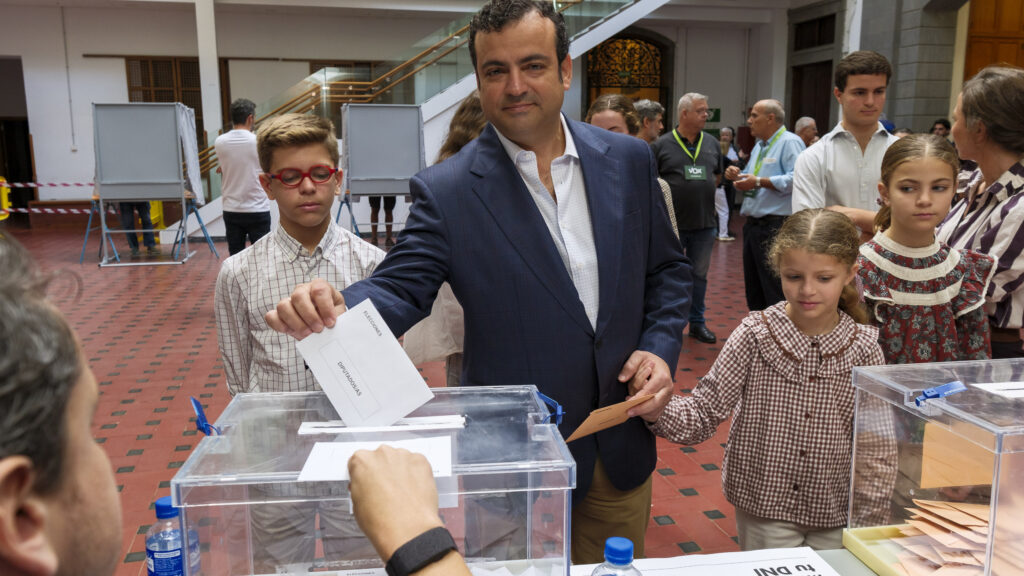
Vox candidate Alberto Rodríguez is calling for a mass mobilisation in the Canary Islands and warns of fraud in the election.
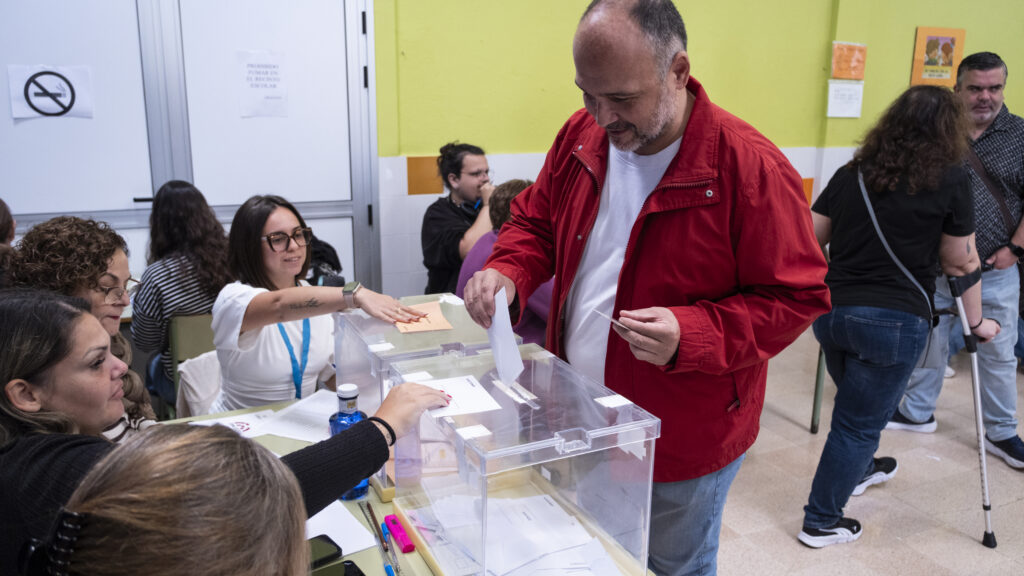
The PSOE expects turnout of over 70 per cent in the province of Santa Cruz. Candidate Valbuena calls it a possible record.
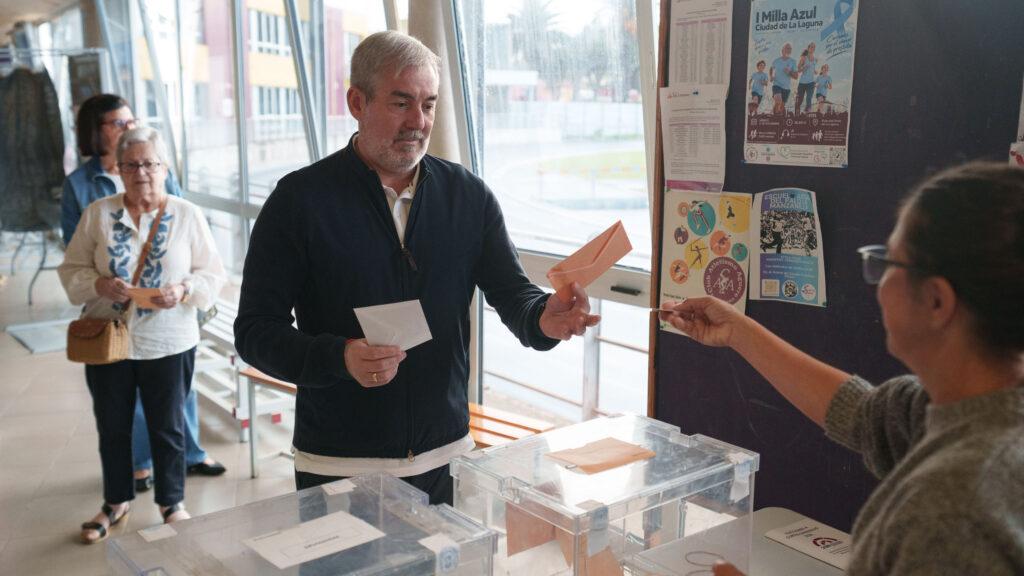
The Canary Islands are electing a parliament. Regional president Clavijo is hoping for a historic turnout of just over sixty per cent.
The Canary Islands vote at several levels: town councils, the Cabildos of each island, the parliament of the Autonomous Community, and the deputies and senators sent to the Cortes Generales in Madrid. In general elections, the provinces of Las Palmas and Santa Cruz de Tenerife each form a separate constituency for the Congreso de los Diputados. Alongside nationwide parties such as the Partido Socialista Obrero Español and Vox, regional forces such as Coalición Canaria and Unidad del Pueblo Canario compete for the votes of the Canary Islanders.
For the archipelago, elections also determine how much weight the interests of the islands carry in Madrid. Questions of self-government and the funding of the Autonomous Community regularly feature in the debate. Turnout is also seen as a gauge of political engagement on the islands.
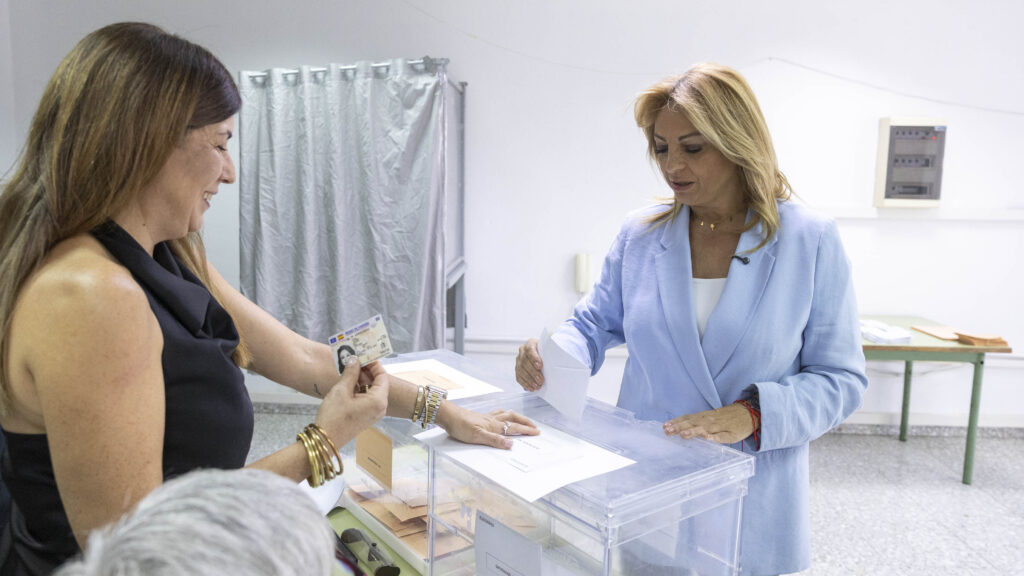
Cristina Valido of Coalición Canaria has voted in El Rosario, Tenerife. She hopes for a high turnout.
In the most recent general election, polling stations in the Canary Islands opened without incident, according to Government Delegate Pestana. He expected a calm election day in both provinces. Coverage focused on voter turnout and on the appeals made by candidates, who cast their ballots in their home towns.
By 1 pm, turnout in the Canary Islands stood at 35.37 percent, well above the figure for the 2023 election. Data from the Ministry of the Interior break the numbers down by the provinces of Las Palmas and Santa Cruz de Tenerife. Several parties had counted on a high turnout beforehand. Regional President Fernando Clavijo hoped for a little over sixty percent and made a particular appeal to young voters. Valbuena, the candidate of the Partido Socialista Obrero Español, put the figure for the province of Santa Cruz de Tenerife at over 70 percent and spoke of a possible turnout record.
Valbuena cast his vote in La Laguna. Cristina Valido, the Coalición Canaria candidate for the Congreso, voted in El Rosario and said she was experiencing the day with great excitement. Clavijo announced that he would spend election day at polling stations and at the count.
Luis Campos of Unidad del Pueblo Canario voted in Pozo Izquierdo on Gran Canaria. For his party, the rights and self-government of the Canary Islands are at stake. He said he would not rely on polls and was instead counting on a historic turnout. Vox candidate Alberto Rodríguez called for mass mobilisation and spoke of a threat of electoral fraud, against which, in his view, only a high turnout would help.
The Canary Islands elect representatives at municipal, island, regional and national level. For the Congreso de los Diputados, the two provinces are separate constituencies, while for the Senate the islands elect their senators individually. The Cabildos administer the individual islands, and the Canary Islands Parliament elects the president of the regional government. Regional parties have traditionally played a larger role on the islands than in many other parts of Spain.