

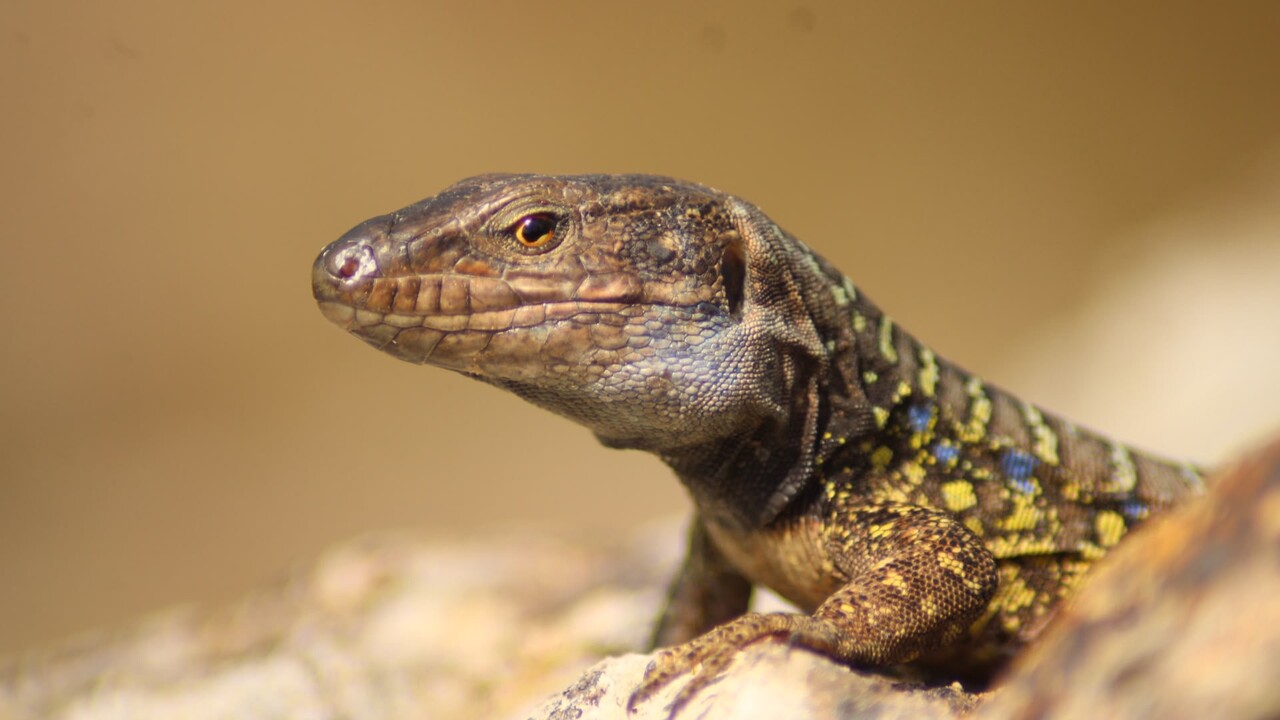
„Tenerife is home to Europe’s greatest biodiversity,“ says Israel Palmero de la Rosa. At least for now. An employee of the Environment Department, he is an expert in education and nature conservation. He works at the Anaga Mountains visitor centre, which has seen above-average visitor numbers in recent months. The crowds of tourists are now even a concern for politicians.
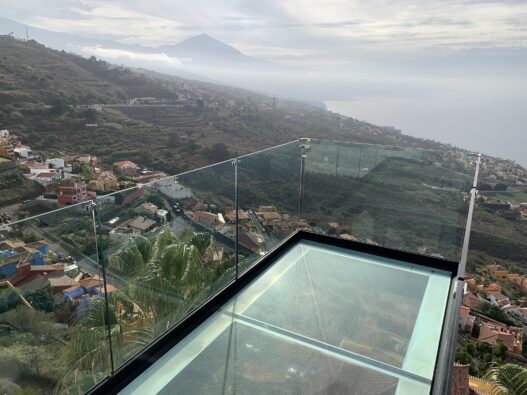
The Anaga Mountains were formed seven to nine million years ago as a result of volcanic activity. They cover an area of 144 square kilometres in the north-eastern part of the island. The varied climatic conditions and altitudes give the mountains their diversity. They have been a UNESCO Biosphere Reserve since 2015.
Israel Palmero de la Rosa says: „People are becoming increasingly detached from nature. They live at odds with it, even though it plays such a vital role in our survival.“ That is why the authorities have increased the police presence and stepped up nature conservation efforts. Nevertheless, the pressure on nature remains high.
Tourism pressure on Tenerife „is like a cake“
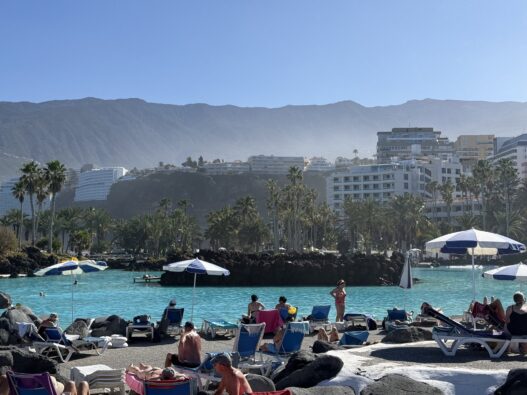
The fact that this fascinating nature reserve is popular and attracts many nature lovers is evident from the daily number of visitors. The high volume of visitors makes access to the villages difficult. This problem places the greatest restrictions on the people who live there.
The impact of rising tourism on Tenerife „can be compared to a cake divided into four pieces, which more and more people want a slice of“. The environmental expert believes that the island’s population is continuing to grow whilst its land area remains the same. As a result of this, and the increase in tourists, everyone’s quality of life is declining. Resources are too limited for the number of people, particularly visitors. For the environmental expert, the island’s residents are part of the picture: „Like the other living creatures in the mountains, they are an important part of the ecosystem. Without them, the Anaga Mountains would be inconceivable.“
One solution would be to reduce the number of vehicles by putting more buses into service. The environmental expert says that, unfortunately, visitors often take excessive risks because they are unable to assess the terrain. The focus should therefore be more on agriculture and less on tourism. Farming in the Anaga Mountains is mostly what Palmero de la Rosa describes as ‚heroic agriculture‘. This means: ‚A lot of work for little return.‘
Landmark: Cruz del Carmen Visitor Centre
His workplace, the Cruz del Carmen Visitor Centre, is situated in the heart of the laurel forest in the Anaga Mountains. The staff are the first point of contact, informing visitors about the park’s unique features and encouraging them to respect the footpaths. The work of the visitor centre therefore serves not only an informative purpose but also helps to ensure the protection of the nature reserve.
What inspires Israel Palmero de la Rosa most about his work at the Anaga Nature Park is environmental education and the opportunity to pass on knowledge: „Ideally, visitors will take this experience back to their home towns, so that together we can do our bit to preserve, as best we can, the ecosystems and species that are essential to our lives.“ He wants to encourage people to appreciate, love and enjoy nature.
„Every spot in the Anaga Mountains holds a surprise“
Israel Palmero de la Rosa cannot name his favourite spot in the Anaga Mountains: „You could point at a random spot on a map of Anaga with your eyes closed, and whichever place you chose would surprise you.“
When it comes to history, a visit to the Taganana and Chinamada regions is highly recommended. With regard to nature conservation, Palmero de la Rosa explains that, following the establishment of the nature reserve in 1944, the initial focus was very much on developing the infrastructure, before greater attention was paid to nature conservation. At that time, the local population used the park’s timber as firewood.
The forest was reforested using introduced tree species such as pines and eucalyptus trees, and its original vegetation cover was restored. The Anaga Mountains now also serve as an open-air laboratory. Scientists from all disciplines use them for their research.
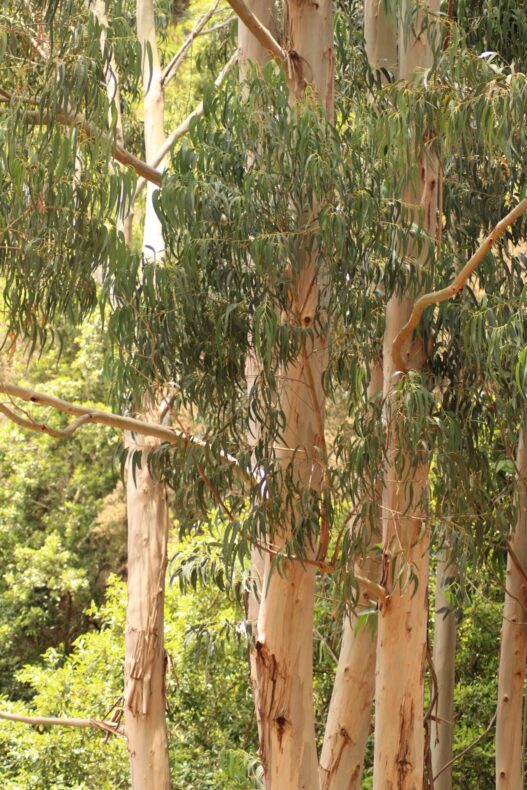
According to Palmero de la Rosa, the consequences of globalisation are visible in the forests. He cites the spread of invasive species as a problem for the ecosystem. These are species that are not native to the area. They displace native species and threaten their survival. In the Anaga Mountains, for example, these include introduced rats that feed on the eggs of native wood pigeons. Cat’s-tail is a plant species that spreads very aggressively. The environmental expert compares this – as well as the impact of climate change on ecosystems – to the immune system: „If it doesn’t function properly, the whole organism is weakened.“
Tenerife’s laurel forest is a rarity
„The area is influenced by the trade winds, and as a result, within the ecosystems of the Anaga Mountains we find a forest of great significance: the Laurisilva.“ Such a very ancient laurel forest now exists in only a few places in the world. „It represents remnants of the forests that existed 40 million years ago,“ says Israel Palmero de la Rosa.
The trade winds that blow across Tenerife are one of the reasons why the island’s ecosystems have developed as they have. Trade winds are a wind system found between the subtropics and the equator. They are caused by solar radiation, which is at its strongest at the equator, and are divided into north-easterly and south-easterly trade winds. In the Canary Islands, the north-easterly trade wind is particularly noticeable.
„Across the Canary Islands as a whole, we have seen a lack of rain in recent years.“ This change in climate is also affecting the winds. „There are models which suggest that the trade winds may no longer have any influence on the islands by the end of the century. If that were to happen, the laurel forests would disappear,“ says Palmero de la Rosa. The same applies to his work and that of his colleagues.
Tenerife has six times as many endemic species as the UK
What fascinates Palmero de la Rosa most about the Anaga Mountains is that they boast the greatest biodiversity in Europe, set amidst a beautiful landscape. The nature lover says: „Science is discovering fascinating things about plants that lead us to suspect we are living on another planet. Here, the trees communicate with one another.“ What he means is that trees exchange information via fungi in their root networks and by releasing chemical signals.
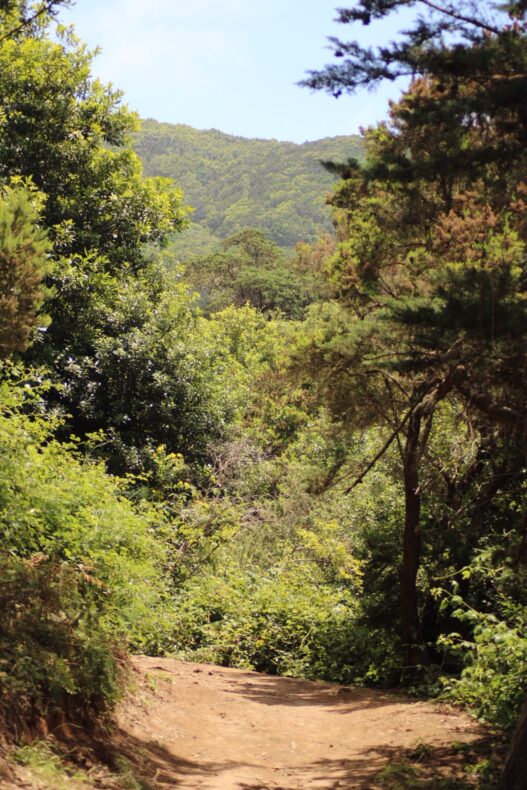
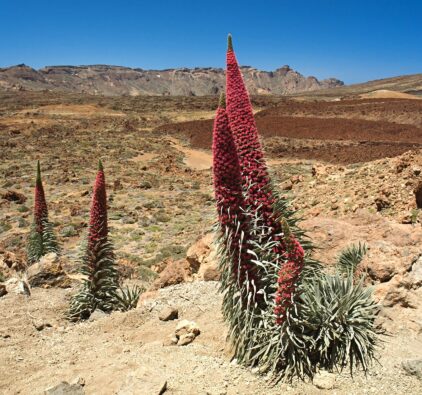
The biodiversity on Tenerife is comparable to that of Australia. The diversity here relates primarily to plant species and arthropods such as insects, arachnids, millipedes and crustaceans. With 25 endemic plant species across the whole island, 21 of which are found only in the Anaga Mountains, there is a very wide range of species.
Half of the insect species living on the island are found nowhere else in the world. By way of comparison, Palmero de la Rosa cites the species diversity of Great Britain, where there are only four endemic species. The nature lover issues a warning, quoting the well-known biologist from the Canary Islands Pepe Casanova: „If they disappear from here, they will disappear from our entire planet.“
Israel Palmero de la Rosa radiates passion and enthusiasm for the Anaga Mountains and Tenerife’s unique natural environment at every turn. Seen in this light, the recently proposed restrictions on the nature reserve seem only logical.



No comments on this article yet.