

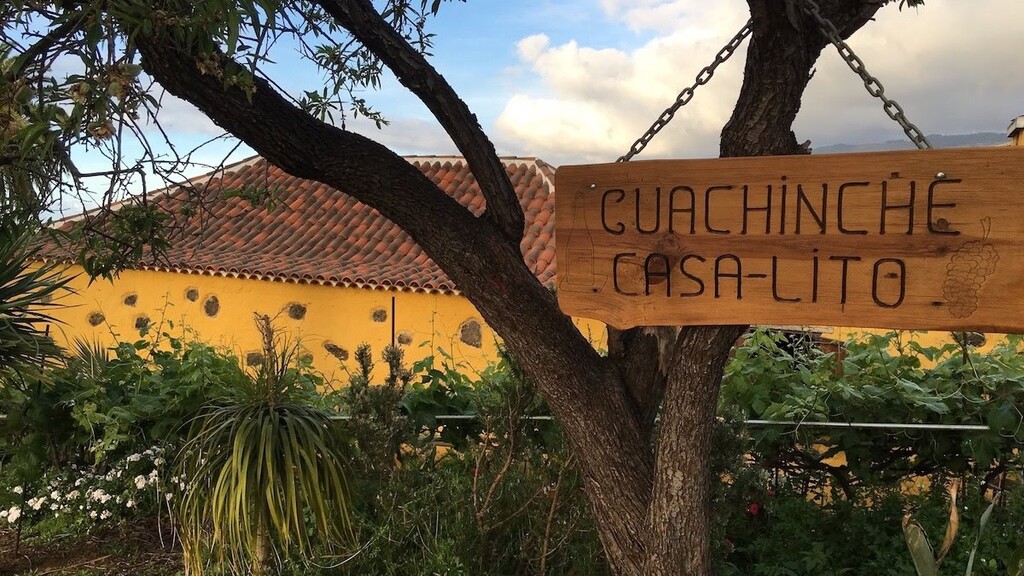
It is not entirely clear how the term ‚guachinche‘ came about. What is clear, however, is what it is supposed to be. And that is becoming increasingly rare. This is precisely what is causing frustration amongst genuine restaurateurs – and also amongst the few remaining operators of genuine guachinches. Because the two are completely different industries. In theory, at least.
Guachinchen originally came about as a result of wine sales. When a merchant came to taste the new wine directly at the winemaker’s, a light snack was needed. After all, there was plenty to taste, and that requires a good foundation. So the food was, at best, a side dish, but not the main source of income. The clear focus was on the wine.
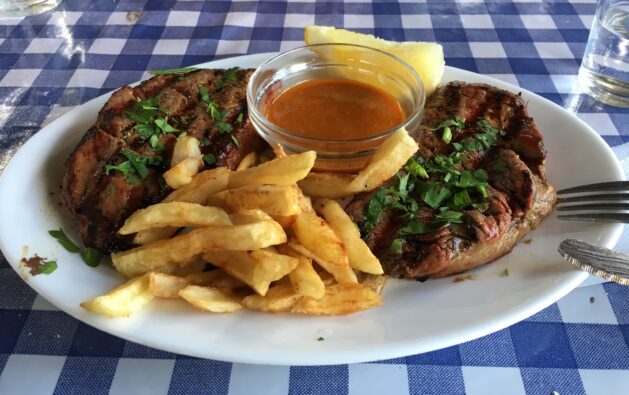
Guachinchen have become deeply ingrained in Tenerife’s traditions. Originally, they were places where wine was tasted and sold. The in-house kitchen would serve a light snack to go with it. The menu was limited to three dishes made with locally sourced ingredients. In return, no VAT is payable. After all, it is not a restaurant.
This is precisely what gives guachinches a major advantage over catering. Resourceful businesspeople have therefore continually broadened the definition of a guachinche, to the point where it no longer seemed entirely clear what constitutes a genuine guachinche.
Guachinchen have become synonymous with cheap restaurants
From the original concept, where a cheap meal was served alongside wine, guachinchen have gradually evolved into budget restaurants. Consequently, bars and restaurants have increasingly come to view guachinchen as a threat.
As the ‚guachinche‘ became synonymous with affordable food, more and more restaurants began to adopt the name. And the more the term was overused in the catering industry, the further the original concept receded into the background.
A study from 2005 confirmed the problem. In 2013, the authorities were called in and asked to use inspections to ensure that the term and concept of the ‚guachinche‘ were restored to their original meaning.
Canary Islands: What do the signs on restaurants and bars mean?
Despite the decree issued by the Canary Islands government to regulate ‚authentic guachinches‘, the word continues to be used by other types of establishments for marketing purposes.
Customers should therefore look out for the official designation, which has been mandatory for many years. The sign at the entrance indicates the officially registered type of catering establishment. For example, a large ‚R‘ adorns the entrance to a restaurant. Bars are marked with a ‚Bc‘. A genuine guachinche is identified by a ‚V‘.
How can I recognise a genuine guachinche on Tenerife?
This symbol, together with a small menu featuring dishes made with locally sourced ingredients, and a drinks menu offering only a choice between wine from the establishment’s own vineyards and water, are all indications that it is a genuine guachinche.
Traditional guachinches have become something of a rarity in Tenerife. In the north of Tenerife, however, there used to be a genuine guachinche culture. A review by the authorities would be beneficial to the debate. After all, the decree remains in force. However, it is up to the local councils to enforce it. And they really ought to be taking a closer look at the situation as things stand.
Here you will find our restaurant database for Tenerife.





No comments on this article yet.