

The exhibition takes as its starting point the historical dichotomy between civilisation and barbarism. It examines how this division, particularly in colonial contexts, established hierarchies between bodies, territories, cultures and forms of knowledge. Such classifications were not confined to images and concepts: they accompanied conquest, land grabs, the exploitation of labour, and the suppression or transformation of knowledge systems.
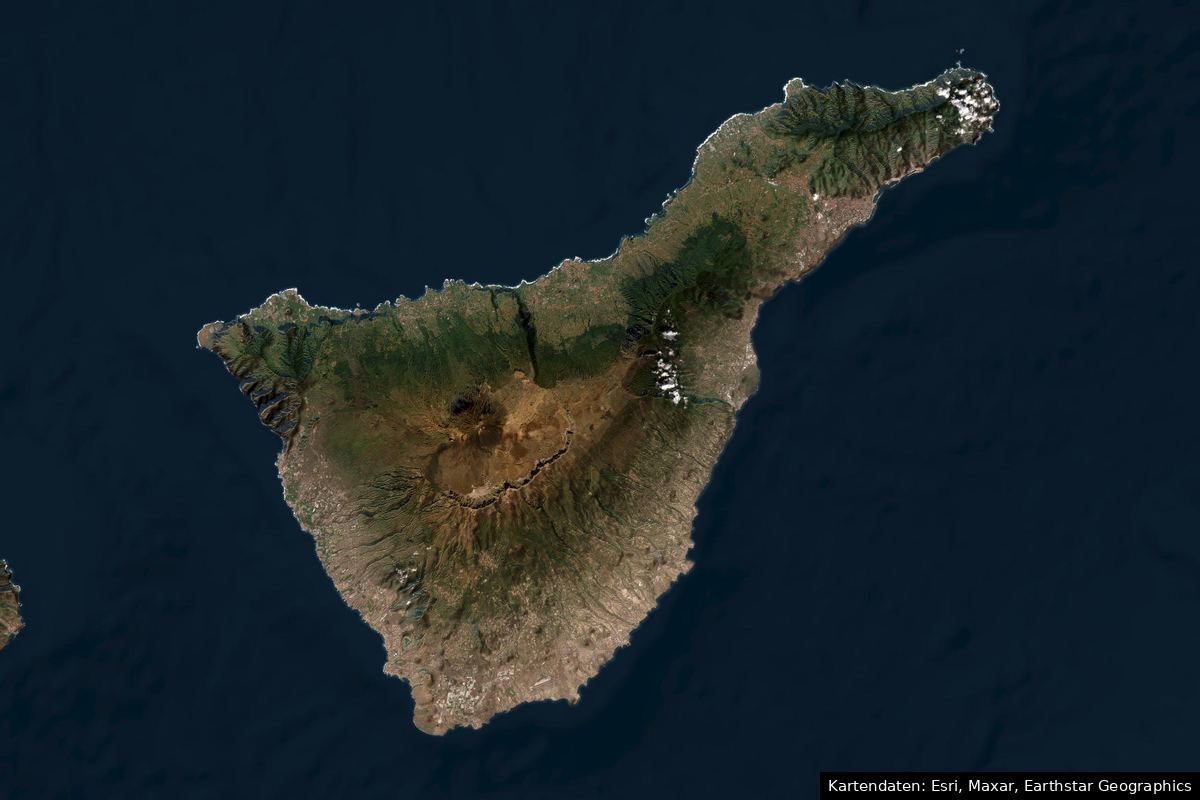
Europe, Africa, the Caribbean and Latin America appear to be linked through words, images and classifications that have been in circulation for centuries. The Canary Islands do not stand on the periphery of these narratives. In the exhibition, they are regarded as one of the earliest laboratories of colonial modernity and as a region that has long been intertwined with Africa, Europe, the Caribbean and Latin America. The exhibition also highlights the islands' connections to North Africa and the Amazigh origins of their first known inhabitants.
The exhibition does not follow a chronological order, but rather juxtaposes historical materials with contemporary works. On display are, amongst others, works by Carlos Motta, Sandra Gamarra, Sammy Baloji and Manolo Millares, as well as historical pieces such as Gumersindo Robayna's painting of the Battle of Acentejo and Leonardo Torriani's description of the Canary Islands from 1590. One of the guiding themes is the research by the Canarian anthropologist Fernando Estévez into the figures of the Guanches and the Mago, the island's farm labourers.
The curatorial team consists of Alejandro Castañeda, Néstor Delgado, Katya García-Antón, Roberto Gil, Onda Corta (Joel Peláez and Narelys Hernández) and Sergio Rubira. The exhibition is open Tuesday to Sunday from 10:00 to 20:00; closed on Mondays, except on public holidays.