

The housekeeping department and four-star hotels account for the highest levels of stress, burnout and perceived abusive leadership in the Canary Islands hotel sector, according to a study by the University of Las Palmas de Gran Canaria (ULPGC), which puts overall job satisfaction at high levels.
The report, compiled between December 2025 and July of this year through questionnaires completed by 1,240 employees at 34 hotels in Gran Canaria, Lanzarote, Fuerteventura and Tenerife, 76.4% of them Spanish nationals, reveals that, although overall wellbeing and support among colleagues receive very positive ratings and the intention to leave is low, there are marked gaps by work area, hotel category, gender, age and nationality.
By department, housekeeping staff bear the heaviest workload compared with areas such as reception, suffer the highest rates of discourtesy or inappropriate treatment and report abusive leadership to a greater extent, ranking alongside management posts at the top for stress and burnout.
Hotel categories and departments: burden unevenly distributed
Kitchen workers, for their part, are those who report the greatest lack of resources and material conditions to carry out their work, as well as perceiving a higher level of internal tension or organisational politics, compared with the more favourable climate recorded by administration and reception.
By accommodation category, four-star hotels record the worst workplace climate indicators in the study, as their workforces report more stress, burnout, role conflict and abusive leadership than those of five-star and three-star establishments, as well as a poorer work-life balance and a greater intention to leave.
The study also identifies a gender gap: although men and women both report high job satisfaction, women suffer significantly more stress and exhaustion, perceiving a greater volume of tasks, a more demanding pace of work and more organisational conflict.
The analysis also reflects differences by age and origin. Workers over 50 show greater commitment and quality of life than younger staff, but take on a heavier workload and more responsibility, suffer more burnout and perceive more abusive leadership, while the intention to leave the job is highest among employees aged 31 to 40.
Foreign workers show higher levels of resilience, optimism, work-life balance and appreciation of the support of their colleagues and of incentives, compared with Spanish employees, who report greater stress, workplace cynicism, workload and shortage of material resources.
Canary Islands: women and workers over 50 face greater strain
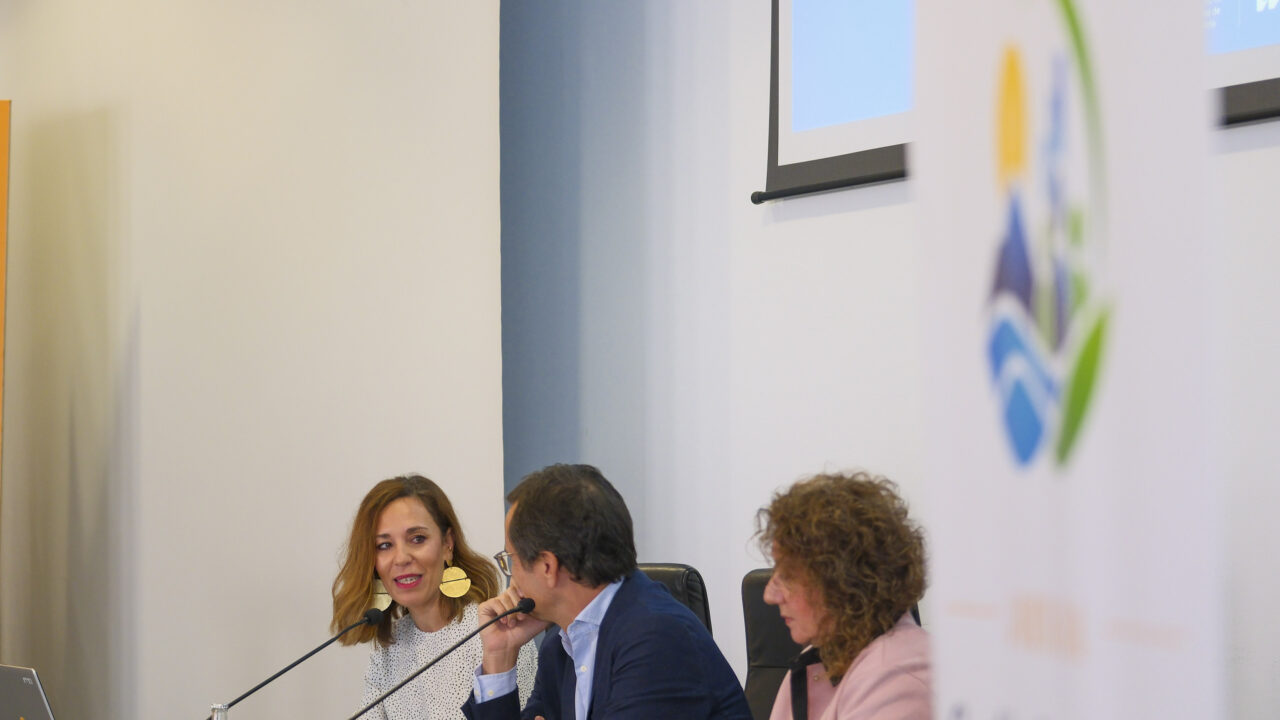
Speaking at this Thursday’s presentation of the study, the Canarian Government’s Minister for Tourism and Employment, Jéssica de Léon (PP), said its findings show that job satisfaction in the Canary Islands hotel sector is above average, «dismantling part of the traditional narrative about the quality of employment in the tourism industry», although it «highlights significant outstanding challenges in terms of stress, work-life balance, workloads and, in particular, talent retention».
She stressed that housing, and more specifically access to rented accommodation, together with mobility, are the main obstacles to retaining talent in the sector, as they are the leading reasons for turning down jobs in the Canary Islands.
In her view, the report reflects the maturity of a significant part of the workforce, with highly loyal employees over the age of 50, and validates the promotion and wellbeing policies already in place at many companies.
However, it highlights the difficulties in retaining new recruits, particularly in operational roles and among those with less training within establishments, where stress and workloads remain critical factors.
As well as arguing that the conclusions reached by the study’s researchers should be applied to the participants‘ hotels to help the sector correct the weaknesses that prevent it from retaining staff, De Léon highlighted the measures promoted during this legislature to improve the quality of life of hotel housekeepers, such as the reform of the Canary Islands Tourism Planning Law, which will allow an initial allocation of one million euros to fund height-adjustable beds and ergonomic trolleys.
She also referred to the update of the workload studies for hotel housekeepers, which had not been carried out since 2015, as well as the drawing up, for the first time, of a specific study on this group in the non-hotel sector (apartments), which is expected to be presented before the end of the year.
Canary Islands: chambermaids to receive new study and funding
Petra de Saá, professor of Business Organisation at the ULPGC, said that the most surprising aspect of the study was that its overall results were «considerably more encouraging than expected», which contradicted the researchers‘ initial hypothesis, as they had anticipated far more negative indicators given the heavy workload in the sector.
In particular, she referred to the high levels of job satisfaction, engagement and quality of life perceived by employees, despite the well-known problem of low wages and the housing crisis in the Canary Islands, as well as the low intention to leave their companies and a very positive assessment of human resources management (except for incentives, where the rating is only moderate).
The coordinator of this report was particularly struck by how uniform these positive results were across the different groups and, most notably, by the paradox found when establishments were broken down by category: far from offering a better experience, four-star hotels record worse indicators for working climate and employee wellbeing than three-star hotels, she said.








Comments (0)
No comments on this article yet.