

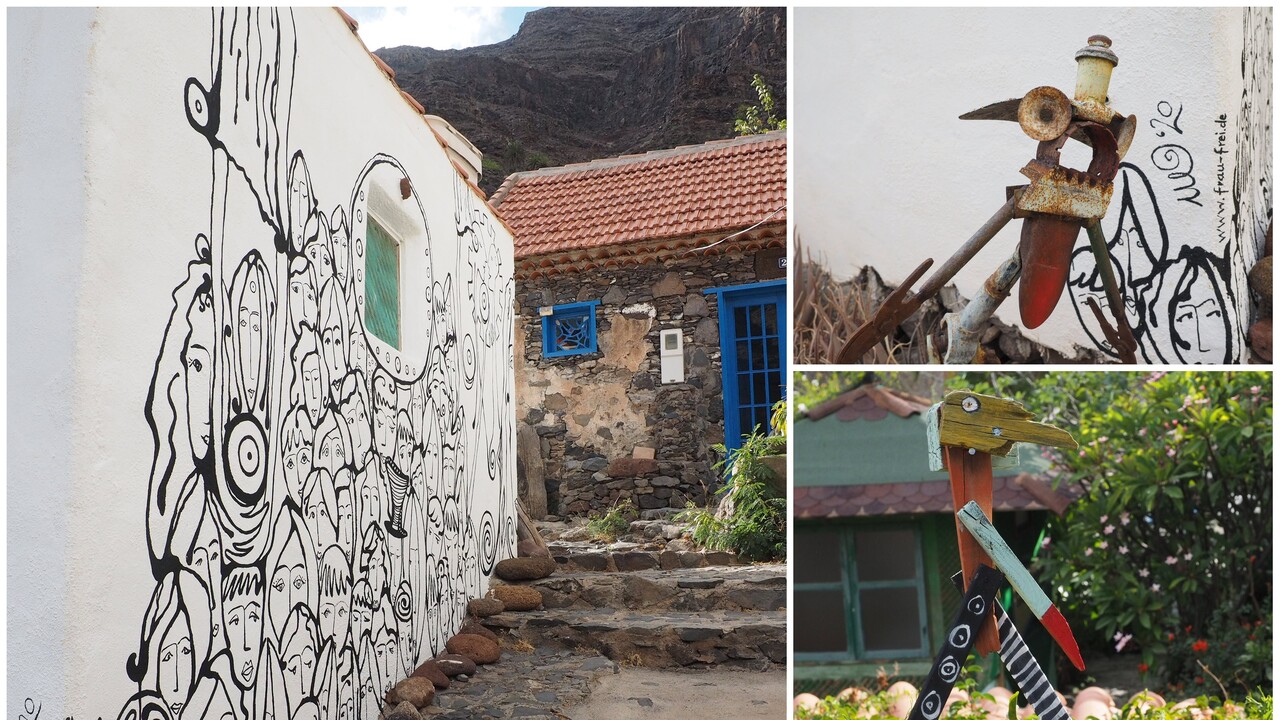
Von Marlis Zoschke
La Gomera, the second-smallest of the Canary Islands, can almost always be seen from the south of Tenerife. Sometimes one is tempted to say: unfortunately. Because this means that some people miss out on the wonderful sunrise.
But one should certainly be curious about La Gomera; after all, it is also known as the ‚Island of Columbus‘. In 1492, Christopher Columbus, who was born in Genoa, arrived in San Sebastián, the capital of La Gomera, aboard his ship the Santa María and two other vessels. There, he intended to seek a safe sea route to India.
We now all know that he landed in the Americas, although he is said never to have realised this until his death in 1506, at the age of 55. Columbus died of syphilis, which he and his crew had brought back from the Americas. It is also said that the Vikings had been to the Americas long before him.
There are many stories that spark curiosity about La Gomera
From Los Cristianos, La Gomera can be reached by ferry in just over an hour. The sea is usually calm, and everyone can enjoy a leisurely boat trip.
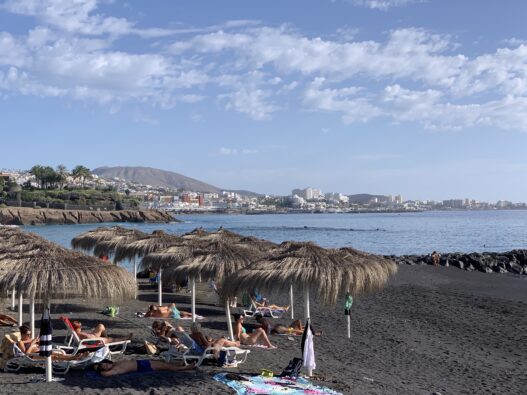
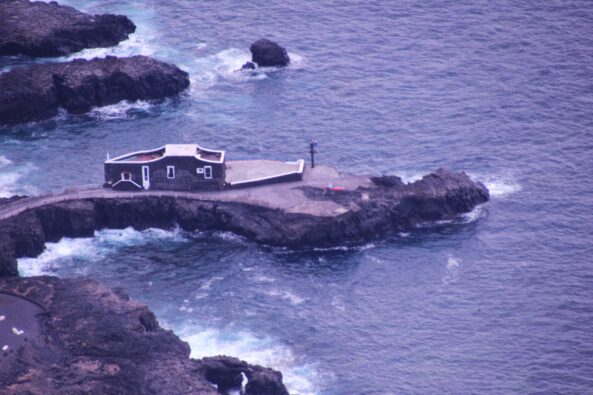
The island isn’t yet overrun by tourists and is the ideal choice for hiking enthusiasts. The Valle Gran Rey National Park is unique, and from the Mirador de Abrante you have what is arguably the most beautiful view over much of La Gomera. And if you simply must have a beach, you’ll find one in the south – with plenty of black sand. It’s said to be good for rheumatism.
That’s how different it is 0
It’s interesting to note that the climate in the north differs from that in the south. After all, it is a small island. In the north, it can be rainy and cool, and very green with laurel trees and plenty of vegetation, but then you come to a tunnel, and when you emerge on the other side, you’re greeted by sunshine and blue skies.
No one here needs to worry any longer that there might be a volcanic eruption. The last eruption took place around three million years ago and the volcano is now extinct.
After a lovely day out, everyone should visit the island’s beautiful Parador. These state-run guesthouses were established around 1910 – converted from old castles and monasteries. Everyone feels as though they’ve been transported back in time, in the best possible sense. This is particularly evident in the furnishings – just like in a castle. The guesthouses have since been transformed into modern hotels, although every effort has been made to preserve their historic character.
Our reader correspondent, Marlis Zoschke, writes regularly about her experiences over many decades in the Canary Islands. You can find more articles here.








No comments on this article yet.