

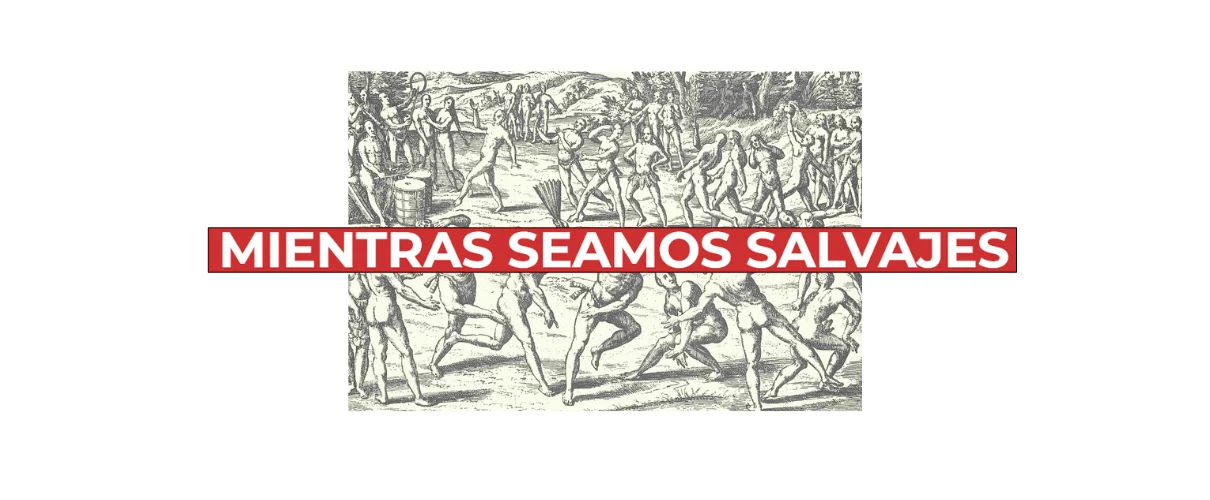
The exhibition takes as its starting point the historical dichotomy between civilisation and barbarism. It examines how this division established hierarchies between bodies, territories, cultures and forms of knowledge. These classifications were not confined to representations; they also accompanied conquest, land grabs, the exploitation of labour, the extraction of raw materials, and the suppression or transformation of knowledge systems.
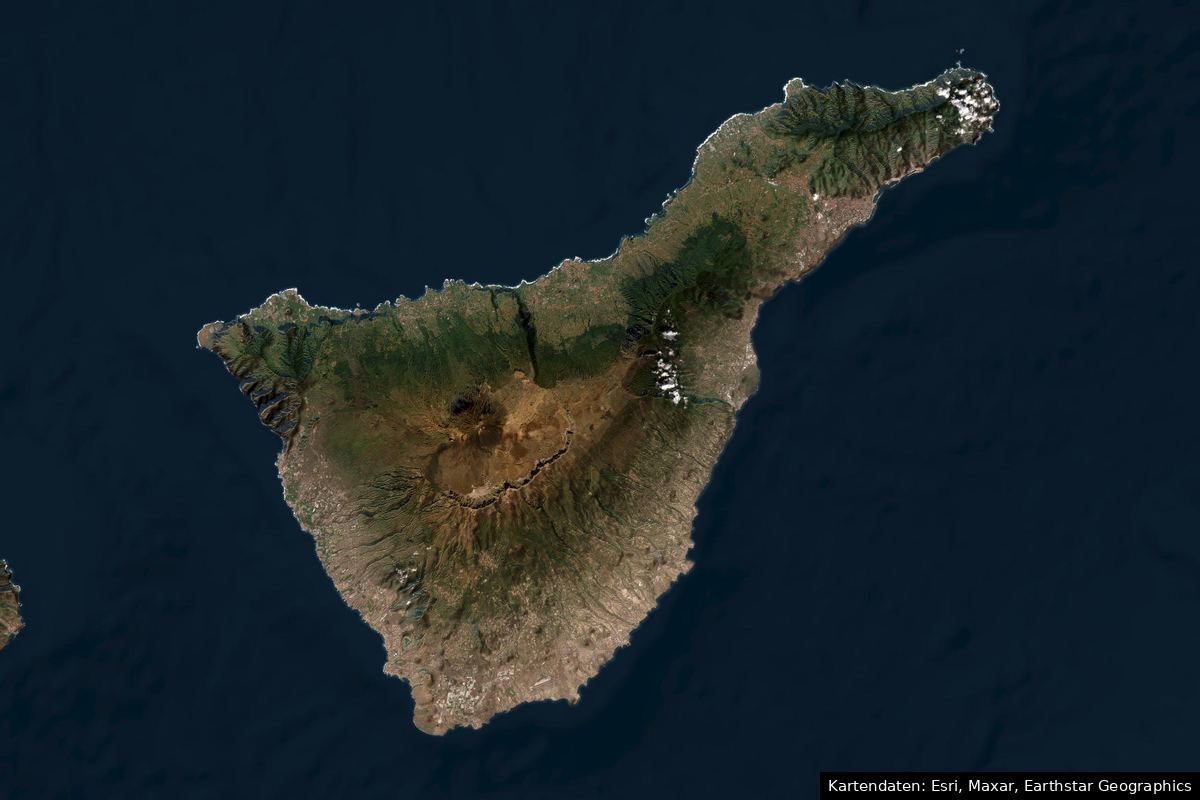
The exhibition connects Europe, Africa, the Caribbean and Latin America through words, images and classification systems that have been in circulation for centuries. The Canary Islands are not presented as a peripheral part of these histories, but as one of the earliest laboratories of colonial modernity and as a region that has always been intertwined with Africa, Europe, the Caribbean and Latin America. The incorporation of the islands into the European crowns was one of the earliest manifestations of modern colonial expansion.
The exhibition does not follow a chronological order, but juxtaposes historical materials with contemporary works. In this context, the 'wild' or the 'barbaric' is not regarded as a natural or permanent identity. The exhibition explores how certain populations were described as primitive, backward or irrational, whilst other societies claimed the right to define what civilisation, progress and culture mean. It also examines how these images were discussed, altered or reclaimed by those who were placed on the other side of the boundary.
The exhibition is curated by Alejandro Castañeda, Néstor Delgado, Katya García-Antón, Roberto Gil, Onda Corta (Joel Peláez and Narelys Hernández) and Sergio Rubira. On display are works by, amongst others, Theodor de Bry, Carlos Motta, Gumersindo Robayna, Sandra Gamarra, Sammy Baloji and Manolo Millares, as well as Leonardo Torriani's 1590 description of the Canary Islands. The exhibition is on display in Sala B on the ground floor; a leaflet is available to download from the museum's website. Opening hours are Tuesday to Sunday from 10.00 to 20.00; closed on Mondays, except on public holidays.