
A yellow heat warning is in place for the Canary Islands. Here are the forecasts and temperatures.

Calima is a weather phenomenon in the Canary Islands. It refers to a sandstorm that sweeps across the Canary Islands. Below you will find all the latest news on Calima. We also answer the question: What is a Calima?
Calima today: Calima across all the Canary Islands: forecast and readings
A yellow heat warning is in place for the Canary Islands. Here are the forecasts and temperatures.
From Saturday, temperatures will rise in the Canary Islands. A Calima will first reach Lanzarote and Fuerteventura, then the other islands as well.
Summer is entering its final stages in the Canary Islands. But according to the Aemet, this is set to end soon. August has already been an exceptional month.
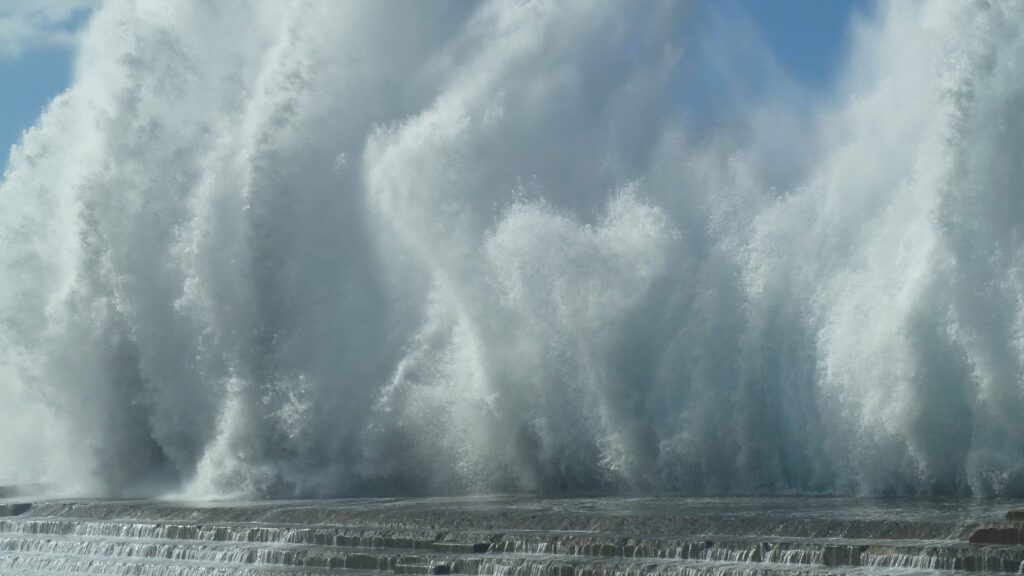
The AEMET has issued a warning of rough seas in Tenerife and Gran Canaria. The Canary Islands are off to an unpleasant start to September. The forecast.
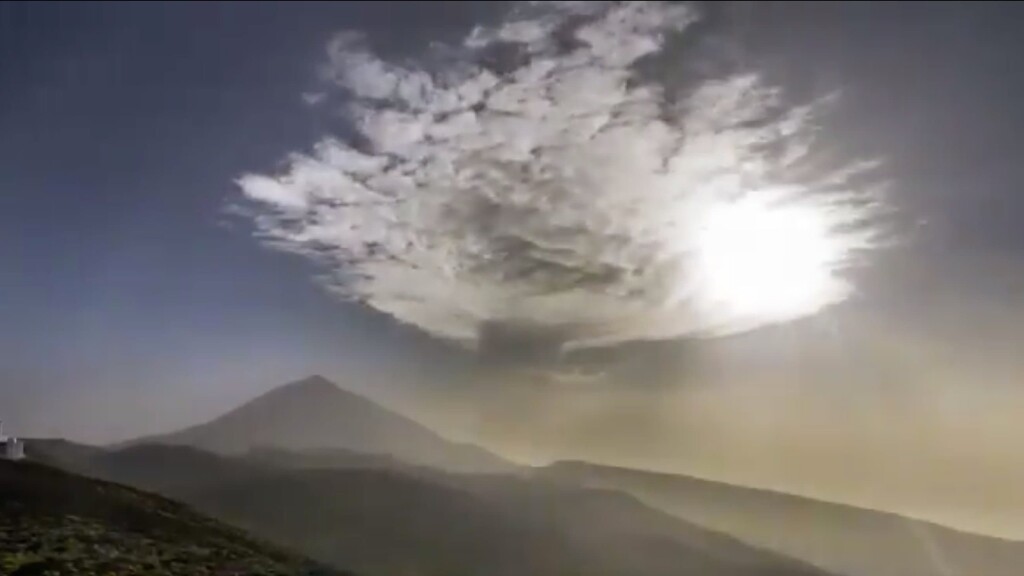
The Canary Islands are starting the new month with weather warnings. The Canary Islands are bracing for Calima, which brings with it heat and storms.
Calimas are quite common in the Canary Islands. We explain what a sandstorm is and tell you when a Calima occurs in the Canary Islands. Related topics:
A Calima is one of the most distinctive weather phenomena in the Canary Islands. It is a hot, dry wind that carries fine dust particles from the Sahara and the Sahel across the Atlantic to the islands. The result is a characteristic yellowish-brown colour in the sky, a noticeable deterioration in air quality and a significant reduction in visibility. Calima episodes occur particularly frequently in the Canary Islands during winter and spring, but can in principle occur at any time of year.
A Calima event occurs when high-pressure systems over North Africa or the Iberian Peninsula, in combination with certain low-pressure systems over the Atlantic, cause air masses from the Sahara to be channelled westwards. These winds pick up enormous quantities of fine dust particles, which they carry over hundreds or even thousands of kilometres. In the Canary Islands, these air masses then reach the coasts and shroud the islands in a thick veil of dust. During intense Calima events, the concentration of particles in the air can reach levels that significantly exceed the European limit values for particulate matter. You can find all the details in the article linked above.
On Tenerife, a Calima is particularly noticeable: Mount Teide, which is visible from large parts of the island on clear days, disappears behind the veil of dust. Temperatures can rise considerably in some cases, as the wind originating from West Africa is very warm and dry. Gran Canaria, Lanzarote and Fuerteventura are also regularly affected by intense Calima episodes. Lanzarote and Fuerteventura are geographically closer to the African coast and therefore experience Calima events particularly frequently and often with greater intensity.
For holidaymakers and residents, a Calima primarily means restricted visibility, heat and poor air quality. People with respiratory conditions, allergies or cardiovascular problems should spend as little time outdoors as possible during a severe Calima. Air traffic can also be disrupted by very dense dust clouds if visibility at airports falls below critical thresholds. In such cases, delays or temporary closures may occur.
Scientific studies suggest that climate change could influence the frequency and intensity of Calima events in the Canary Islands. Increasing desertification in Africa, as well as changing atmospheric flow patterns, could contribute to larger quantities of dust being transported more frequently across the Atlantic to the Canary Islands. At the same time, the dust clouds are not merely a regional phenomenon: Saharan dust is regularly carried as far as Central Europe and even as far as the Caribbean and South America.
The Spanish Meteorological Agency (AEMET) issues official weather warnings during severe Calima events. These range from yellow alert to red alert, depending on the intensity of the dust event and the expected disruption. During such periods, we recommend keeping windows closed, reducing outdoor activities and taking special care to protect vulnerable groups.
Teneriffa News provides regular and up-to-date coverage of Calima events across all the Canary Islands. The articles in this section include the latest warnings, background reports, photo galleries and meteorologists‘ assessments of upcoming or ongoing Calima events. Whether Calima is affecting Tenerife, Gran Canaria, Lanzarote or Fuerteventura: all relevant Calima developments are documented and analysed here.
Anyone staying in the Canary Islands during a Calima should take a few precautions. Respiratory masks may be advisable when dust levels are very high. Cars, terraces and outdoor areas become heavily soiled by the fine dust. Solar panels also lose efficiency due to the dust build-up. Once a Calima has ended, rain often follows, washing the dust out of the air and falling onto surfaces as so-called ‚blood rain‘ or ‚mud rain‘. This phenomenon is well known in the Canary Islands and regularly leads to heavy soiling of vehicles and buildings.