

The key points: Show summary Hide summary
- The Ministry of Health has discovered a second invasive species of mosquito, Aedes aegypti, in Mogán on Gran Canaria.
- The authorities stepped up their monitoring, set up more traps and suspect that the species was introduced on a one-off basis via material containing mosquito eggs.
- The Ministry is calling on the public to clear away any standing water and to report any suspected cases by email.
The Health Department has detected a second species of mosquito of the ‚Aedes‘ genus in the municipality of Mogán, on Gran Canaria, following the one reported last week. As a result, the Canary Islands Entomological Surveillance System has been strengthened by setting traps in the surrounding area and stepping up control measures.
As detailed in a statement issued on Tuesday by the Regional Ministry of Health, specimens of ‚Aedes aegypti‘ have been detected in the town centre of Mogán, in addition to the sightings of ‚Aedes albopictus‘ in Motor Grande, which were reported last week.
That is why surveillance and control measures have been stepped up in this municipality in the south-west of Gran Canaria, with a protocol setting out the placement of various traps around the property where this species has been found and in the surrounding area, whilst inspection efforts and the provision of information to local residents have also been intensified.
Mogán: Authorities suspect a one-off introduction via building materials
The evidence available so far suggests that this appears to be an accidental, one-off introduction of the vector via material likely to contain eggs of this species of mosquito.
The public alert was sent via the designated email address, [email protected], warning of mosquito bites in the property, situated in the town centre of Mogán; the invasive species was identified following analyses carried out by experts.
The Surveillance System has determined that the Directorate-General for Public Health and the Canary Islands Institute of Tropical Diseases and Public Health at the University of La Laguna (ULL) should step up inspection efforts in the area where the mosquito was found and set up more traps to help determine the extent to which the mosquito has spread in the area.
In addition, the frequency of sampling from these traps will be increased, and cleaning and monitoring work will be carried out in the area where the mosquitoes have been detected.
Furthermore, all organisations and businesses operating in this area, as well as local residents, will be informed of the measures to be taken and will be given advice on how to prevent the proliferation of these animals and their breeding sites, as public cooperation is essential in such cases, the Regional Ministry has stated.
Identifying Aedes mosquitoes and eliminating potential breeding sites
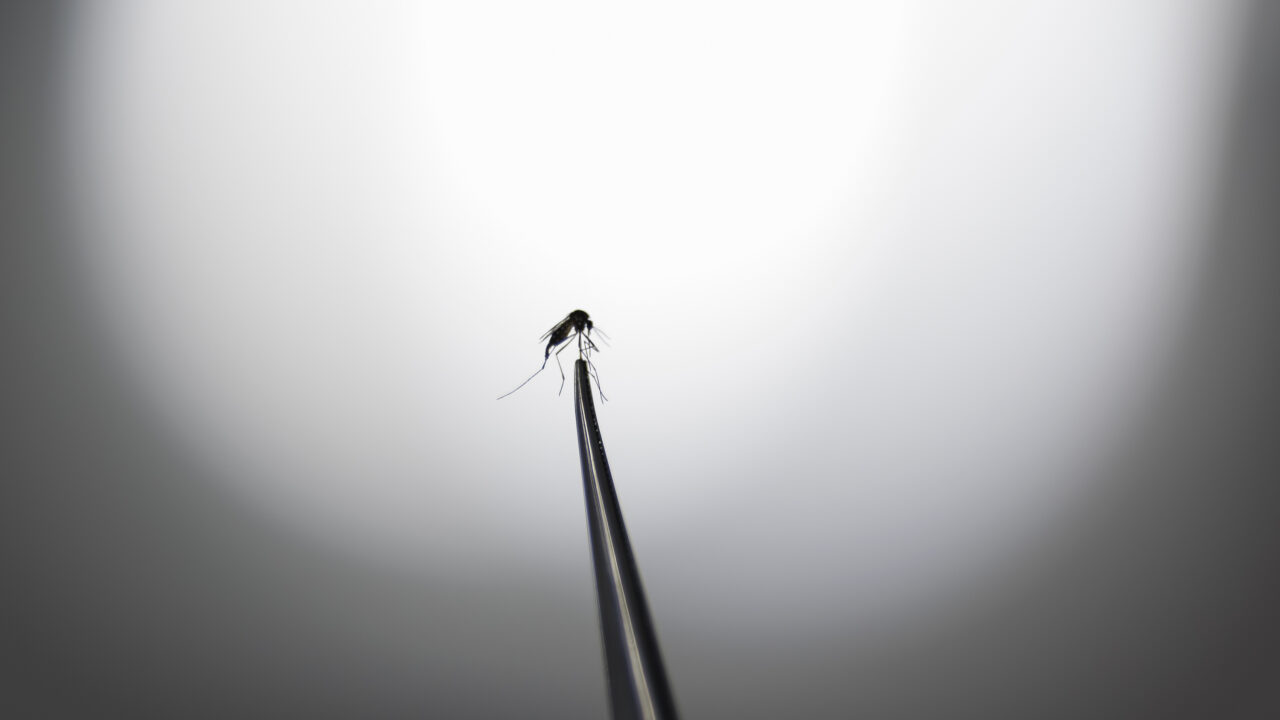
The regional department has explained that this particular species of mosquito is smaller than the common variety, darker in colour and has white-banded legs, and that it usually bites in the early hours of the morning or at dusk without making the typical buzzing sound of the common mosquito.
Mosquitoes that bite humans need to breed very close to them; therefore, the first measure recommended by the authorities is aimed at controlling and eliminating any standing water, including plants growing directly in this water.
People are urged to clean outdoor areas and gardens daily, ensuring that water does not pool, and to cover water tanks properly, as well as to chlorinate swimming pools correctly; these must be properly recirculated every day.
The Department of Health has finally called on the public to help identify such cases and eradicate invasive species introduced into the archipelago, by contacting the authorities via the email address mentioned above.






«A second Aedes mosquito species discovered in Mogán, Gran Canaria»
No comments on this article yet.