

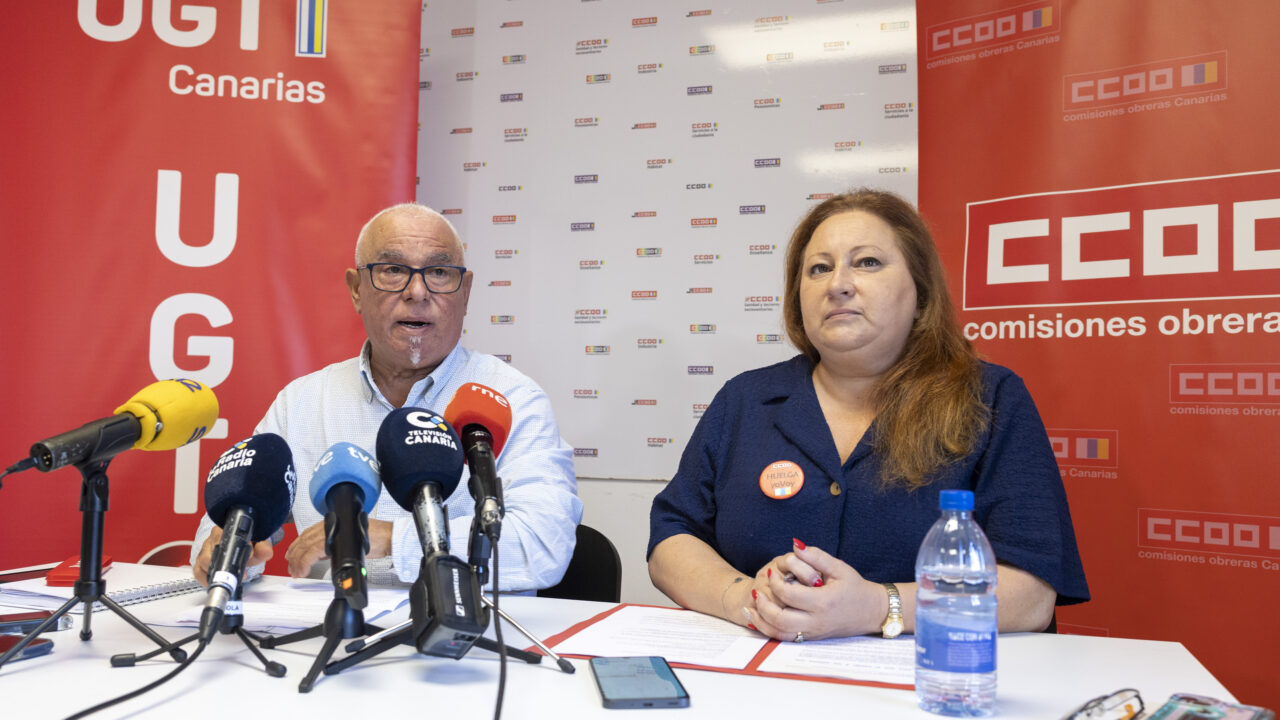
On Thursday, the Comisiones Obreras and UGT trade unions called on the people of the Canary Islands to turn out in huge numbers to support the general strike on 11 November, so as to ‚bring the country to a standstill‘ and raise awareness that the strike has been called to prevent the ‚chaos‘ in the housing sector and over wages from getting any worse following the general election.
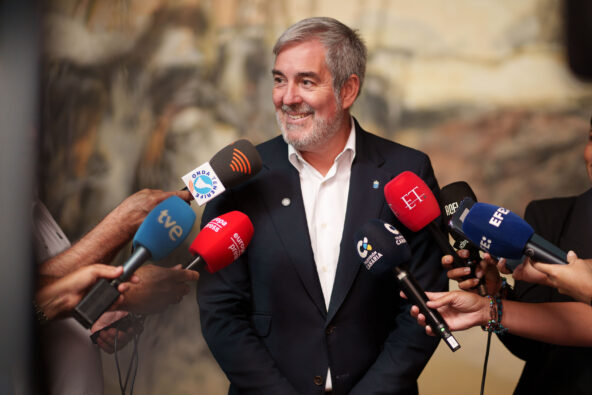
The general secretaries of CCOO and UGT in the Canary Islands, Vanesa Frahija and Manuel Navarro respectively, explained at a press conference in Las Palmas de Gran Canaria how important this call for action is to them, denying that it is a «political strike» as many in the «right-wing opposition» have claimed, but acknowledging that it does have a political dimension because trade unions are organised along political lines.
«It is clearly a labour strike, but we cannot rule out the political aspect, because every social movement is political, it has always been so, ever since the dawn of history. We are therefore not afraid to say that this strike also has a political dimension, because we organise ourselves politically,» argued Navarro.
Canary Islands: Trade unions reject criticism of the general strike
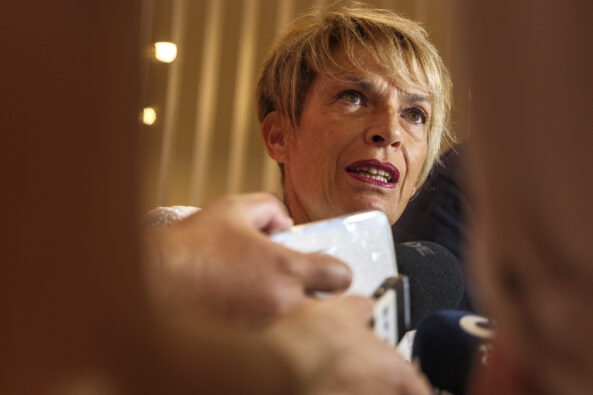
Her counterpart from CCOO has endorsed this very idea and has stated that they will not allow the working class to be criminalised for supporting the strike.
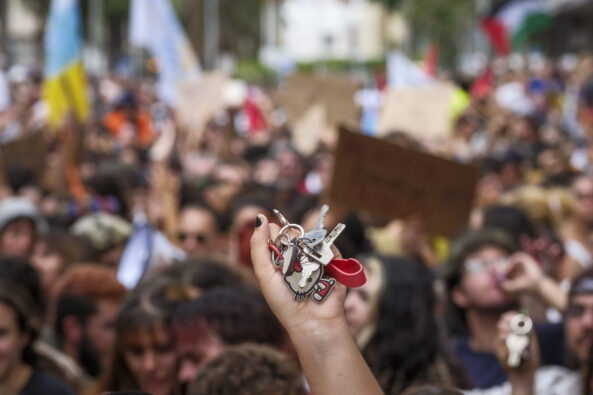
«Is politics about looking after the interests of the public to bring about improvements in their living conditions? Well, that is politics. Is it politics to demand that people, our people in the Canary Islands, have access to decent housing and do not have to spend their entire wages on rent or mortgage payments? Well, that is politics. Is it also politics to demand improvements to the welfare state, the social safety net, and high-quality public healthcare and education? Well, that is politics,» insisted Frahija.
Both she and Navarro have argued that this general strike is directed against the institutions and political parties that have acted against the social and labour rights of the population, and in this regard they have warned of what may lie ahead.
Navarro has therefore stated that the general strike «is directed against every body responsible for creating this chaos in the housing and wage sectors», but is also intended to raise awareness that «this chaos could get worse» following the general election scheduled for 29 November, should certain political forces secure a majority to form a government.
For her part, Frahija pointed out that the protests are also directed against «those in the Congress of Deputies who have betrayed by voting against the royal decrees, thereby acting as accomplices in putting millions of people in our country at risk with regard to housing and rights».
«Voting against social measures for purely party-political reasons… that is what you call being a traitor,» she said.
The Canary Islands are suffering from a housing shortage and low wages
Both Navarro and Frahija have also outlined the specific issues that make this general strike particularly significant for the Canary Islands.
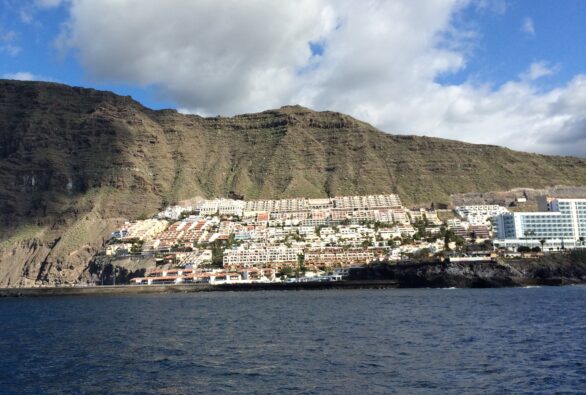
They have therefore expressed regret that the housing problem is particularly acute in the Canary Islands, compounded by the fact that prices are further affected by the territory’s insular and outermost region status, and by the fact that wages there are the lowest in the whole country.
On the issue of housing, Navarro has pointed out that there are autonomous communities facing greater pressure and others facing less, and some whose populations are growing whilst others are losing residents. In his view, the Canary Islands are among those experiencing population growth and are therefore under greater pressure.
Housing market: Trade unions want to make use of vacant properties and build upwards
And that is why they have insisted on putting forward the measures they have already proposed in the past: mobilising the existing housing stock, which, according to their figures, comprises 211,000 empty homes across the archipelago; if 20 per cent of these were put up for rent, the problem could be resolved.
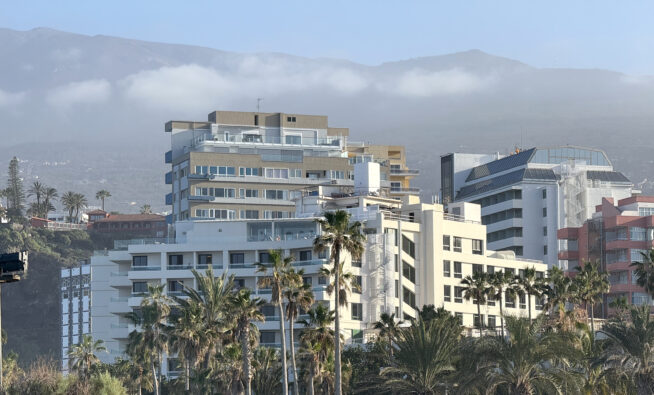
They are also calling for a reorganisation of the territory and a commitment to vertical development through the regeneration of existing neighbourhoods, in a region such as the Canary Islands, where land is limited.
For all these reasons, Frahija has announced that this Friday the main trade union organisations in the Canary Islands will register their support for the strike call with the Directorate-General for Labour in Santa Cruz de Tenerife. She hopes that no «excessive minimum service requirements» will be imposed, so that the whole of society can take to the streets and say «enough is enough».

Comments (0)
No comments on this article yet.