

Von Marlis Zoschke
Many years ago, hardly any resident of Tenerife was familiar with the terms ‚environmental protection‘ and ‚climate change‘. But now there is millions in damage caused by severe weather. People need to learn that such negative events are, and will continue to be, a part of life.
I imagine that the views of the island’s inhabitants have changed over the years. We never experienced such severe weather disasters during the 25 years we spent several weeks a year in Tenerife. On the contrary, every Canarian was happy when a few drops of rain fell from the sky.
The numerous blasting operations may also have contributed to the landslides. We would always look up at the spot where blasting was taking place yet again, and it didn’t sit well with us. But once someone had set their mind on building a few more ‚chalets‘, that’s exactly what happened.
The ongoing issue of sewage in the Canary Islands
Tenerife is unlikely to get the sewage problem under control in the next few years. I’ve read that there’s a permit allowing untreated sewage to be discharged into the sea at various points. I simply can’t believe it.
It is not uncommon for wastewater to be discharged without a permit, but when it happens, it is done in secret. Penalties for this are not limited to Germany. But in the Canary Islands, things seem to work a bit differently.
The Canary Islands and rubbish
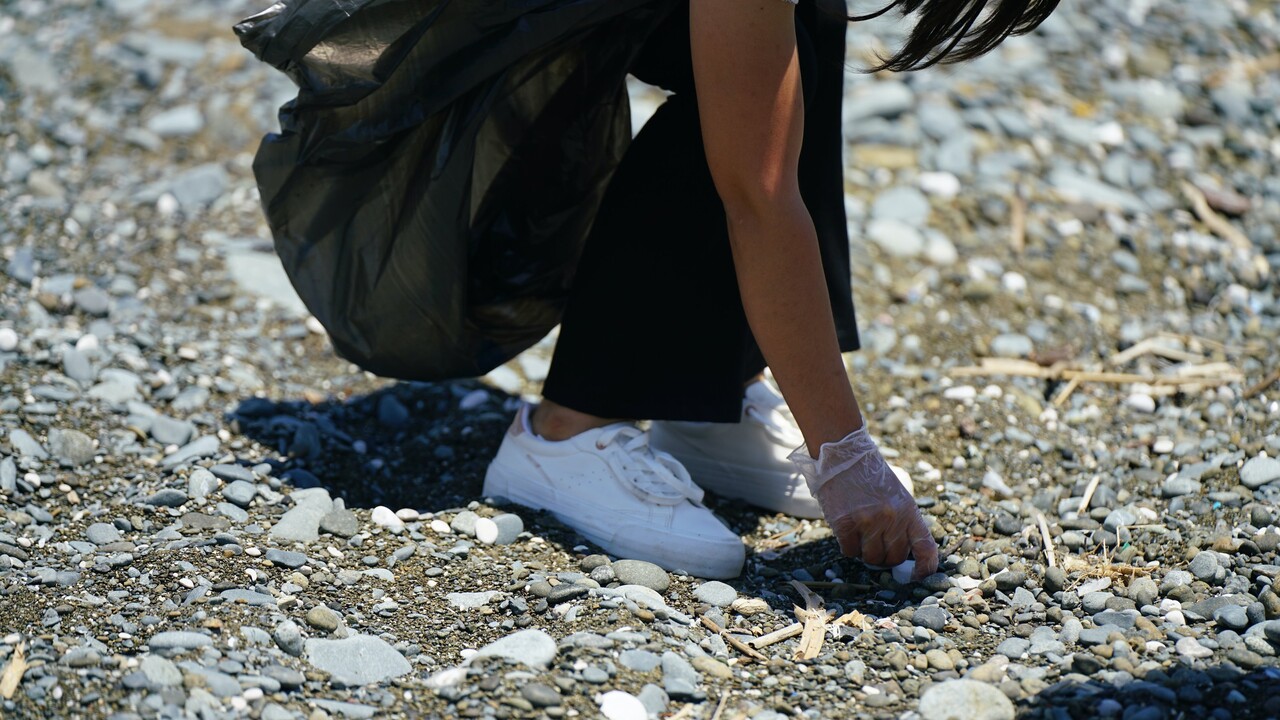
What’s the situation with plastic waste in the Canary Islands? Of course, this problem isn’t limited to the islands. I imagine that even there, nobody is awarded a prize for protecting the sea. The many tourists relaxing on the beach will, quite naturally, have water bottles in their luggage. But is everything always disposed of properly?
According to researchers on the *Polarstern*, an icebreaker used for polar research, it is said that a plastic bottle takes up to 450 years to decompose. It does not break down completely, but shatters into tiny pieces: microplastics. Researchers have even found such particles in Arctic sea ice.
In some cases, more than 12,000 microplastic particles have been found in a single litre of sea ice.
This problem affects every one of us. However, it would be good if the issue of mass tourism were also examined more closely in this context.








No comments on this article yet.