

Von Sandra Burkhardt
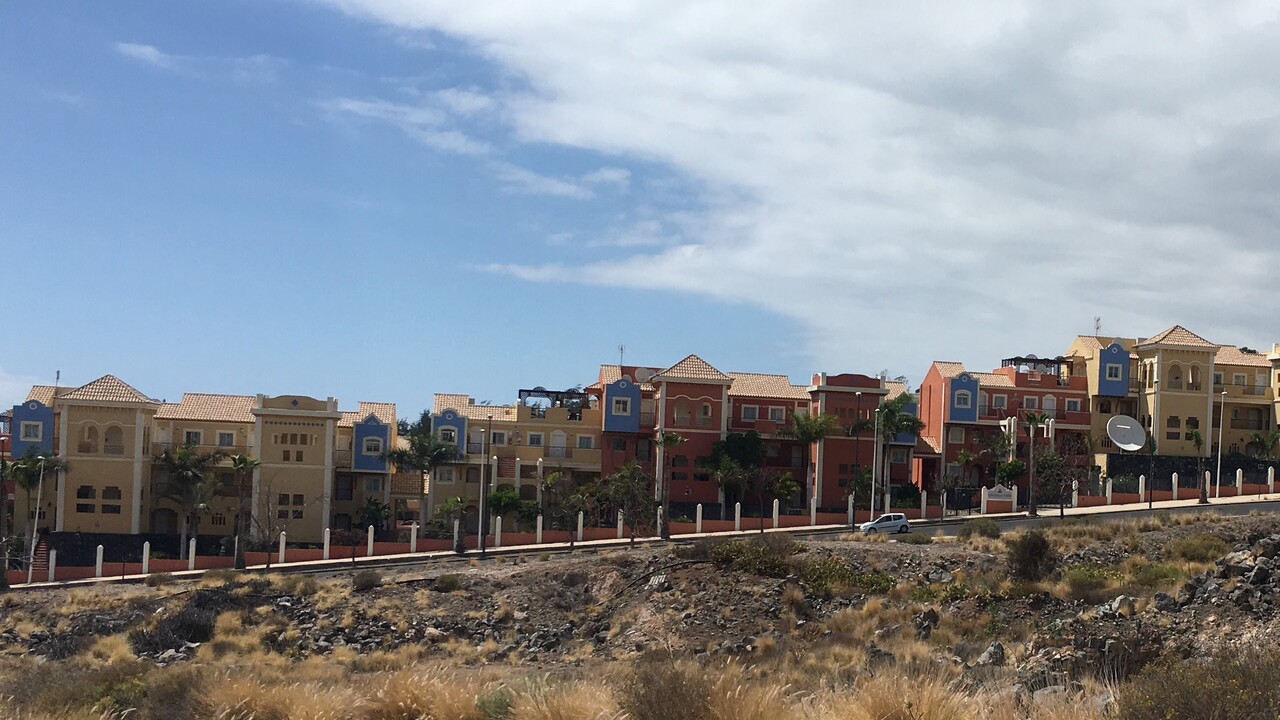
What is often hailed as a success by politicians and the authorities – new records in tourism and legislative measures to regulate holiday rentals – brings no improvement whatsoever for many local residents. Quite the opposite, in fact.
The reality paints a different picture. Rents continue to rise, housing is becoming scarcer, and many people find themselves forced to live in vans, cars or even on the streets.
Although the Spanish government has made legal changes to regulate holiday lettings more strictly and to ensure rental income is better captured for tax purposes, these changes primarily benefit two groups: investors and the government itself.
Tiny houses as an alternative for the Canary Islands?
For the local population, the promised ’social balance‘ has, in most cases, failed to materialise.
Whilst property owners benefit from tax advantages and the state generates higher revenue through clearer tax structures, prices for properties for sale and to let continue to rise.
The property market is becoming increasingly attractive to foreign buyers – but increasingly unaffordable for locals. Social housing remains limited, and many areas are being rezoned primarily for tourism.
Canary Islands: Housing as a human right
Tiny houses enable self-sufficient, environmentally friendly living – offering the comforts of a detached house within a compact space. They do not require traditional infrastructure and can be set up flexibly across the Canary Islands.
This provides local people with a practical, affordable housing solution – moving away from precarious living conditions and towards a genuine quality of life. After all, housing is a human right – not a business model.





No comments on this article yet.