
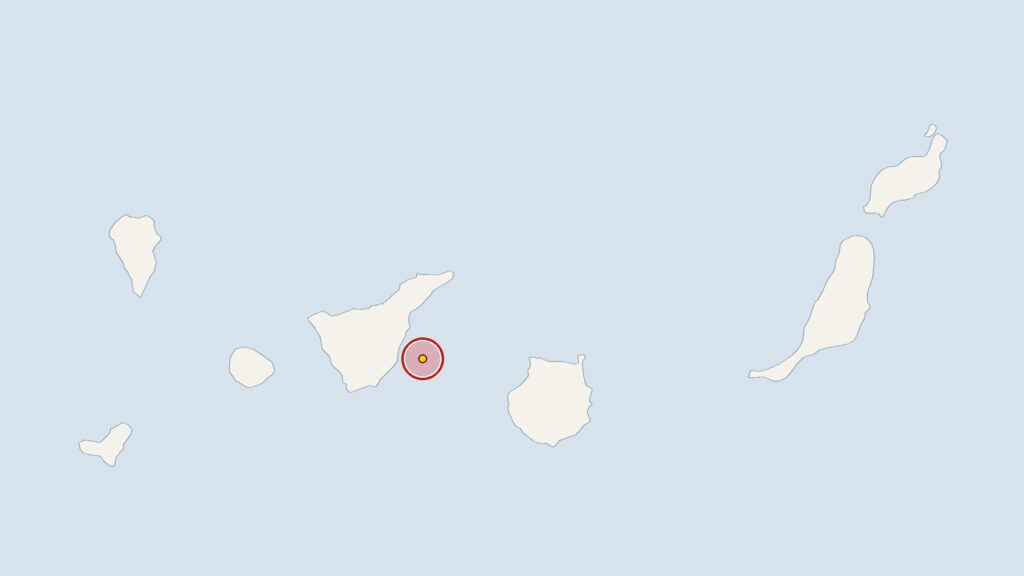
Earthquakes in the Canary Islands: The IGN recorded 55 tremors within 30 days. The most recent one was near Tenerife.

The Canary Islands consist of hundreds of volcanoes, some of which are still active. Consequently, there are a great many earthquakes. You can find all the latest news on this here:
Earthquakes in the Canary Islands: The IGN recorded 55 tremors within 30 days. The most recent one was near Tenerife.
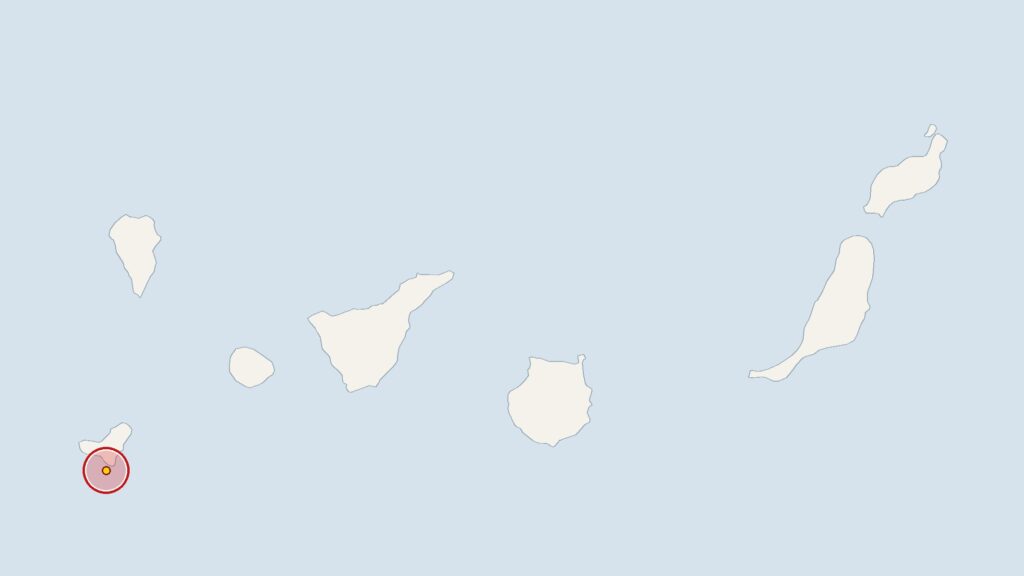
An earthquake near El Hierro had its epicentre at a depth of 33 kilometres. According to the IGN, the most recent seismic activity is within the normal range.
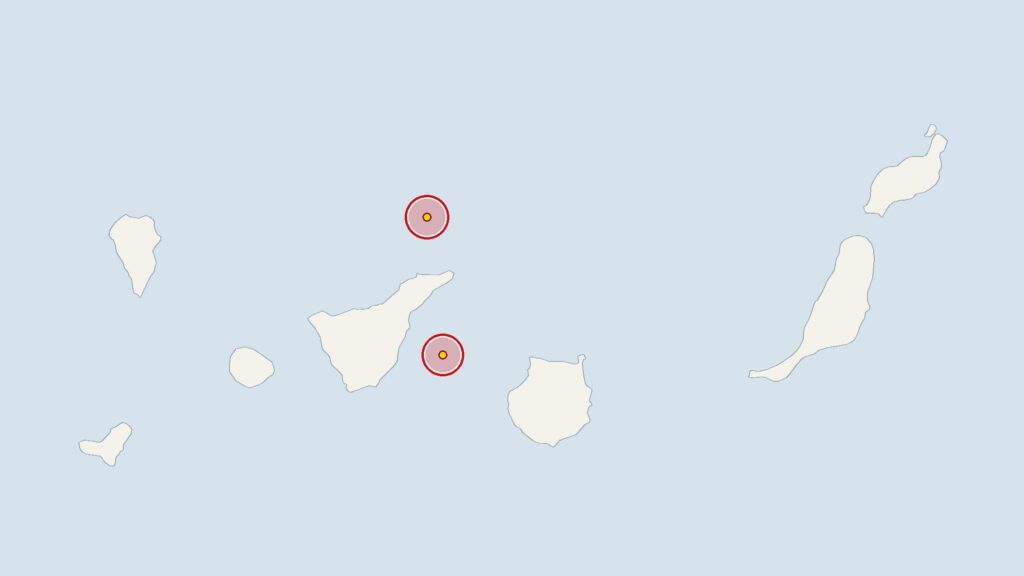
Earthquakes off Tenerife: Two earthquakes measured 2.2 and 2.0 on the Richter scale. Fifty tremors were recorded in the Canary Islands over a 30-day period.
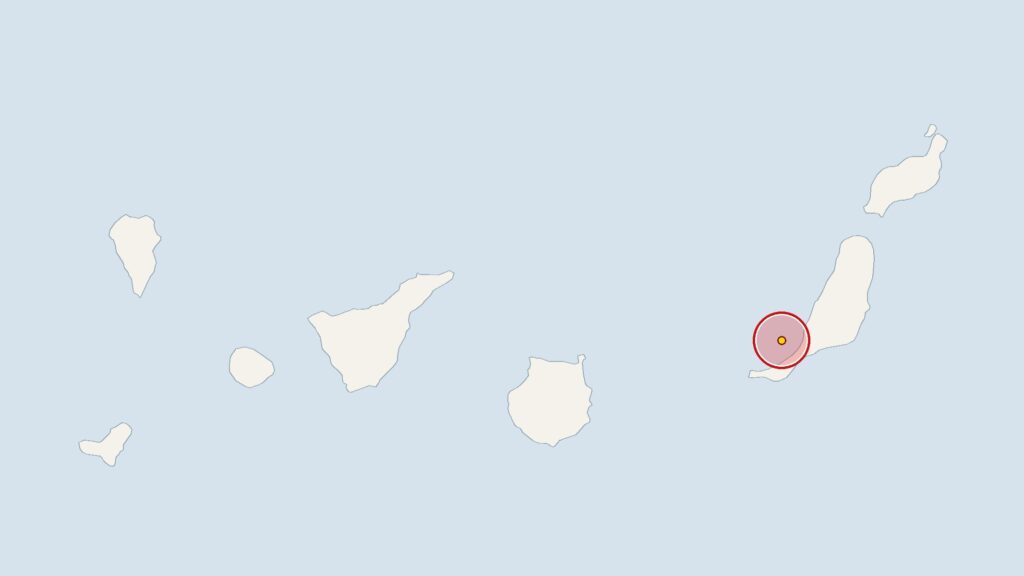
The earthquake off the coast of Fuerteventura was strong enough to be felt in the Canary Islands. Meanwhile, preparations for volcanic emergencies are under way on Tenerife.
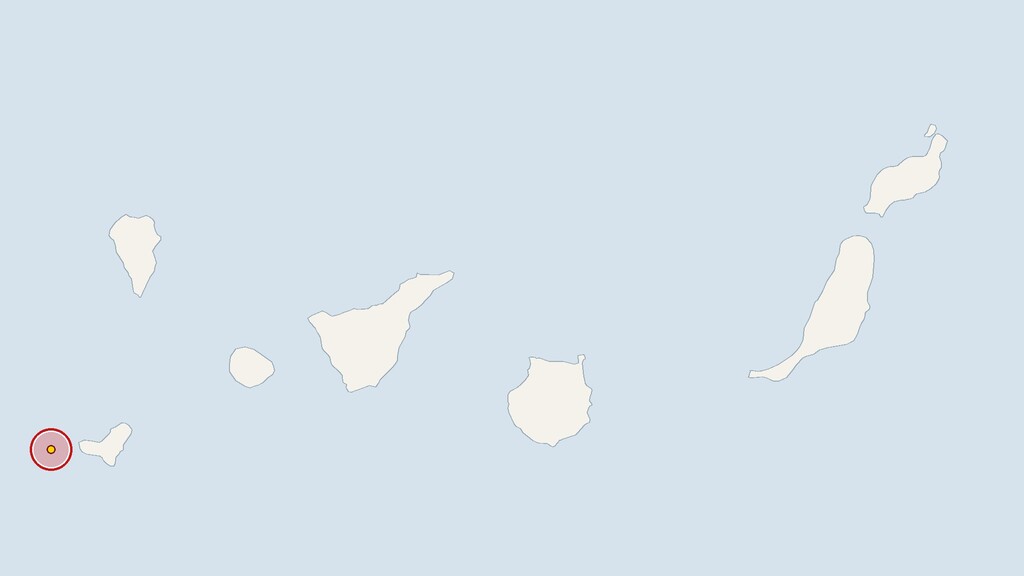
The earth has trembled once again on El Hierro. Seismologists have recorded eleven tremors over the past seven days.
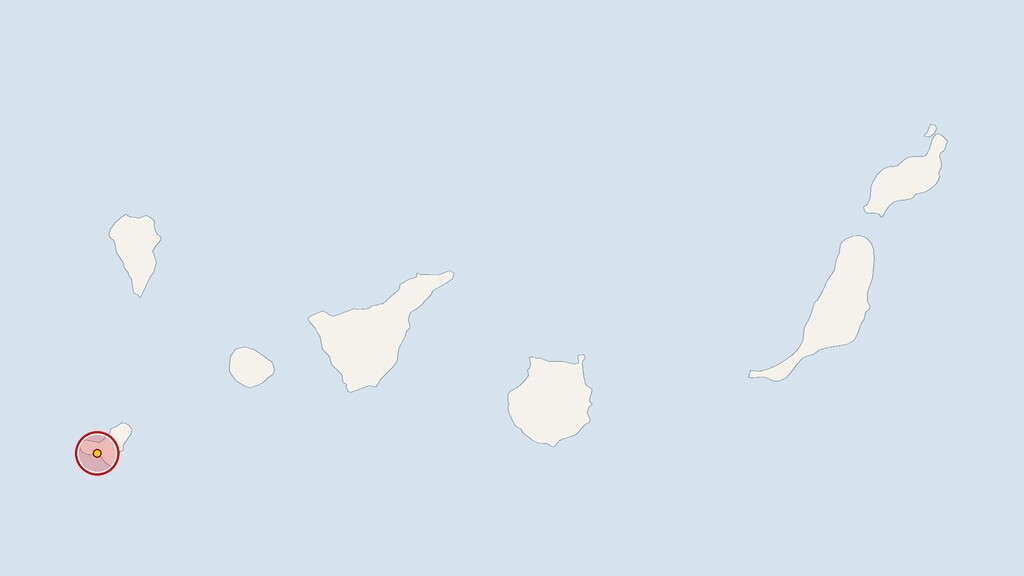
Near El Hierro, the earth trembled with a magnitude of 2.2 at a depth of 31 kilometres. The IGN recorded 69 earthquakes in 30 days.
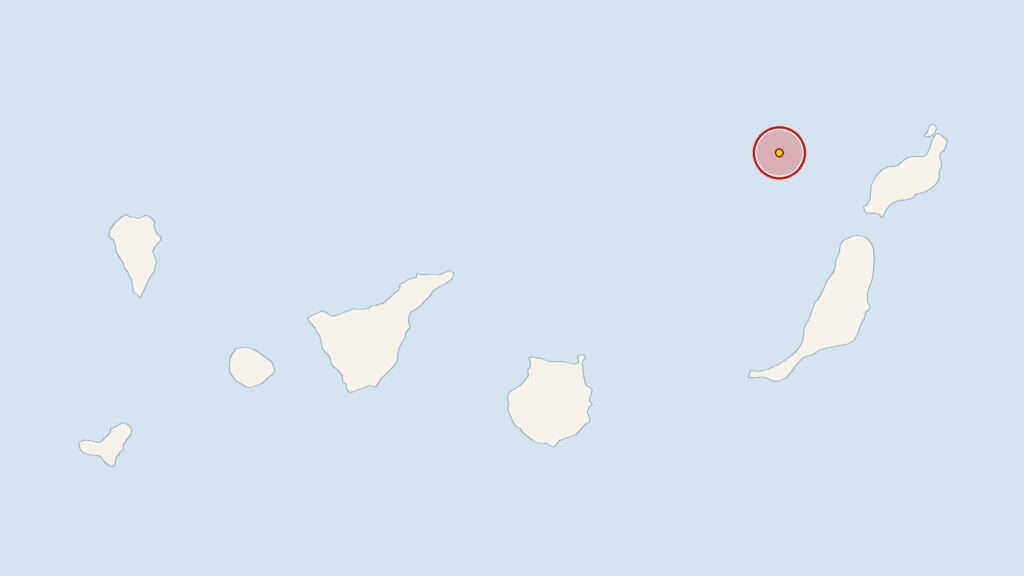
An earthquake measuring 3.0 on the Richter scale struck 50 kilometres off the coast of Lanzarote. The epicentre was at a depth of 30 kilometres.
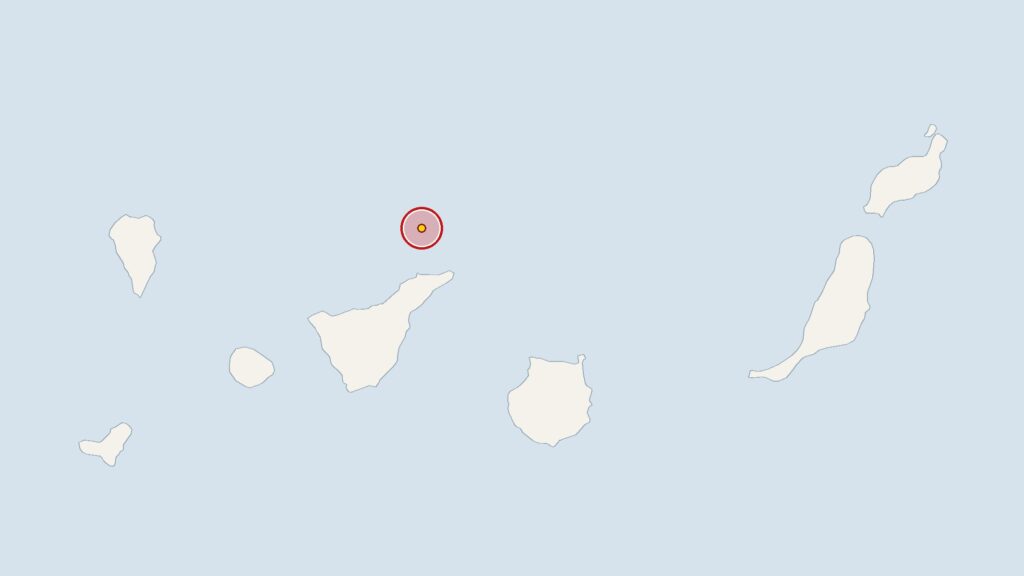
An earthquake measuring 2.0 on the Richter scale struck off the coast of Tenerife. Seismologists have recently reported several tectonic earthquakes at the same location.
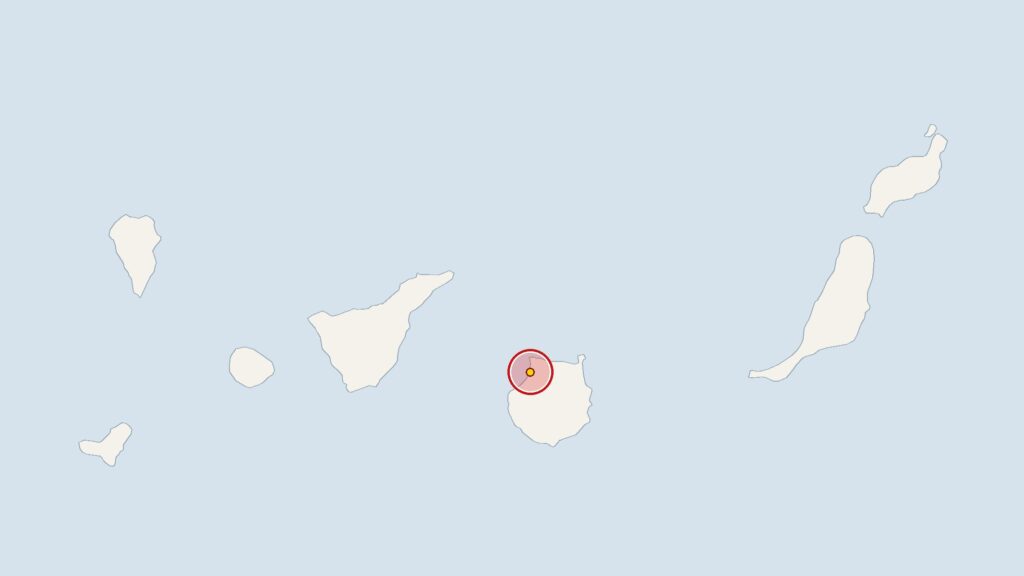
An earthquake measuring 2.3 on the Richter scale struck off the coast of Gran Canaria. The epicentre was three kilometres deep. There have been 73 earthquakes in the last 30 days.
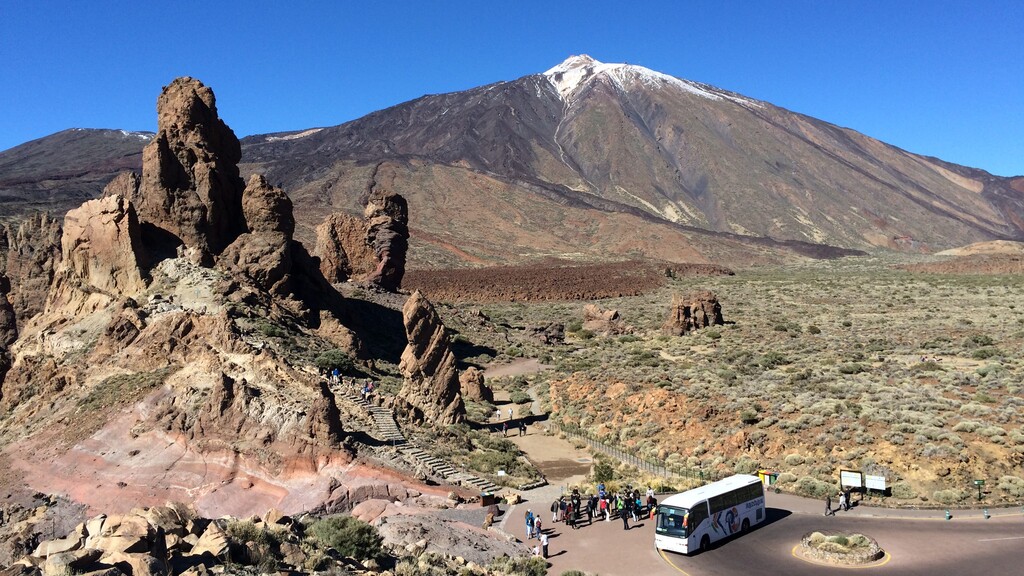
Magma is accumulating beneath Pico Viejo, a subsidiary volcano of Mount Teide on Tenerife. It is precisely there that the island has been experiencing increased seismic activity for the past ten years.
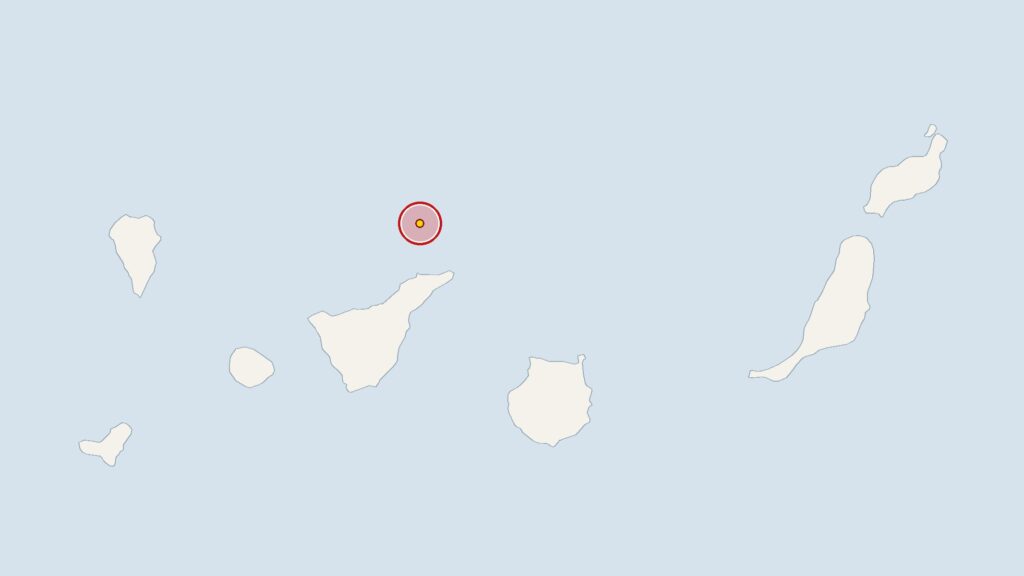
The ground off the coast of Tenerife continues to shake. Ten tremors have been recorded, at least two of which were felt.
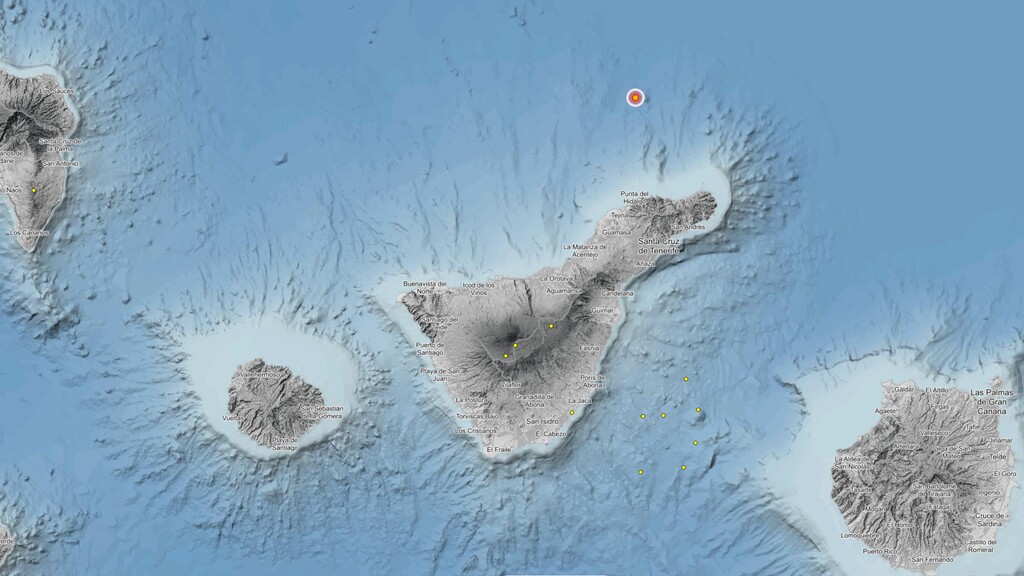
On Wednesday, seismologists recorded a 3.6-magnitude earthquake 30 kilometres off the coast of Tenerife. There were several tremors in quick succession.
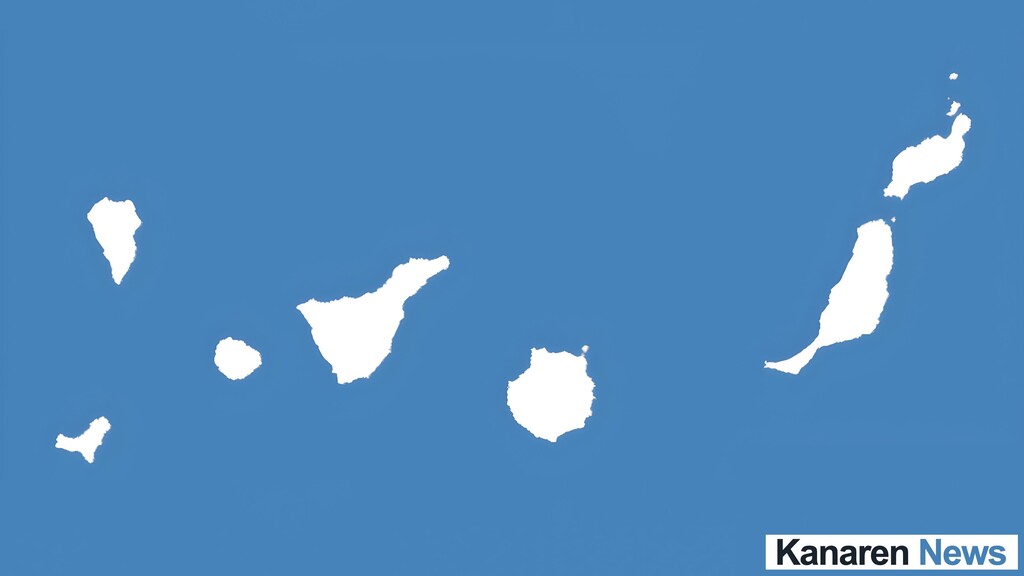
Lower unemployment and greater general satisfaction, 5 million bus-kilometres and an increase in criminal offences. A review of 2013 for the Canary Islands.
The Canary Islands were formed in four phases. Around 36 million years ago, there was a major series of submarine eruptions. This initially gave rise to Fuerteventura and Lanzarote. Originally connected, the islands are now separated by a channel around ten kilometres wide. In the third phase, Gran Canaria, Tenerife and La Gomera were formed. After a long interval, La Palma and El Hierro were formed. At around two and 1.2 million years old respectively, these two islands are the youngest members of the archipelago. The Canary Islands remain one of the zones with active volcanism to this day. Beneath the archipelago in the Atlantic Ocean, there is molten magma pushing towards the surface. For this reason, earthquakes are quite common in the Canary Islands. Experts do not expect any major eruptions in the near future. Nevertheless, the underground activity causes tremors, which are generally classified as minimal to mild and cause hardly any damage. You can find all the information and news about earthquakes in the Canary Islands above.