

Property prices in the Canary Islands are rising significantly. The price per square metre has broken through a key threshold. Prices have been rising for a good 12 years.

Moving to the Canary Islands has for years been one of the most popular dreams of German-speaking people who wish to leave behind the dreary daily routine in Germany, Austria or Switzerland. Tenerife, Gran Canaria, Lanzarote and Fuerteventura attract people with over 300 days of sunshine a year, mild temperatures that rarely drop below 15 degrees Celsius throughout the year, and a cost of living that is significantly lower than in most major German cities. Below you will find all the latest reports, personal accounts and analyses on the topic of emigrating to the Canary Islands.
Property prices in the Canary Islands are rising significantly. The price per square metre has broken through a key threshold. Prices have been rising for a good 12 years.
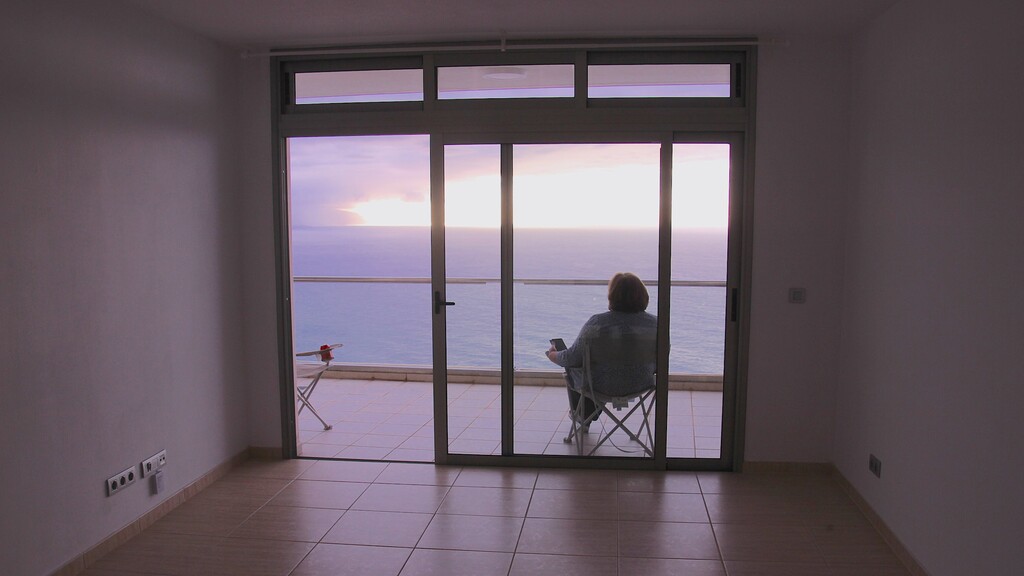
Waiting for the removal firm to deliver the furniture is just one small step. Moving to the Canary Islands is far more than just a house move. A first-hand account.
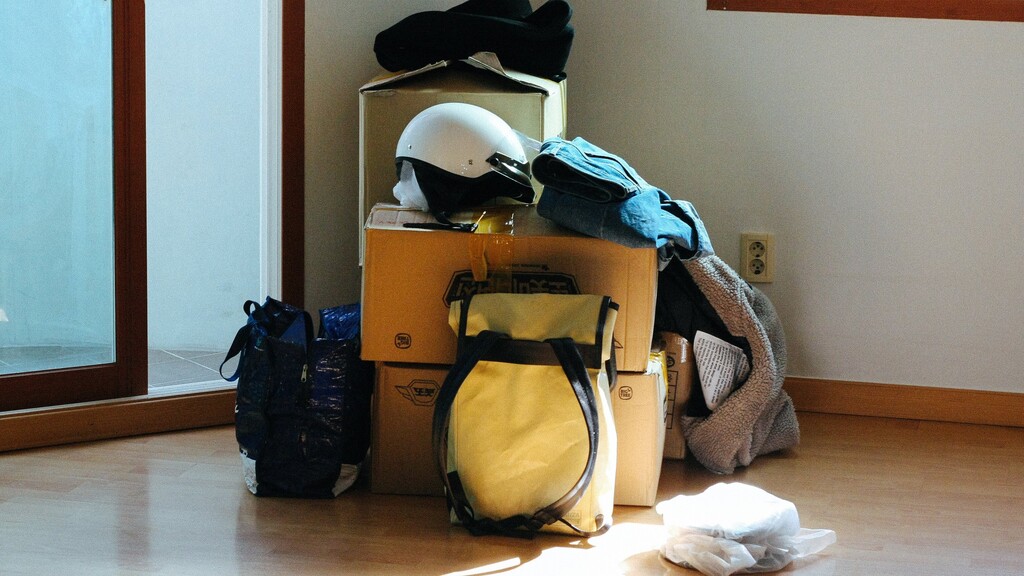
Are you thinking of moving to the Canary Islands? Our expert explains what you need to bear in mind to avoid a rude awakening.
Tenerife, Gran Canaria, Fuerteventura or Lanzarote: more and more German-speaking people are taking the plunge and moving to the Canary Islands. But what is the cost of living really like, what administrative procedures lie ahead, and how do expats make friends locally? Tenerife News brings together all the latest reports, experiences and background information for anyone planning to move to the Atlantic or who has already taken the plunge.
Emigrating to the Canary Islands has for years been one of the most popular dreams amongst German-speaking people who wish to leave behind the dreary daily routine in Germany, Austria or Switzerland. Tenerife, Gran Canaria, Lanzarote and Fuerteventura attract people with over 300 days of sunshine a year, mild temperatures that rarely drop below 15 degrees Celsius throughout the year, and a cost of living that is significantly lower than in most major German cities. No wonder: according to a YouGov/Statista survey from 2025, almost 49 per cent of all Germans can, in principle, imagine emigrating; amongst 35- to 54-year-olds, the figure is even over 56 per cent. The Canary Islands regularly top the list of preferred destinations. Here on Tenerife News, you’ll find all the news, features and in-depth reports on the topic of emigrating to the Canary Islands.
Anyone seriously considering emigrating to the Canary Islands asks themselves one question above all: Can I afford to live there? The answer depends heavily on your personal lifestyle, but the figures are encouraging. According to the latest data from the comparison website Numbeo, the cost-of-living index in Santa Cruz de Tenerife stands at around 52 points compared with major German cities (where 100 = expensive). A two-bedroom flat in a central location costs on average between 800 and 1,200 euros in basic rent per month; outside the tourist centres, properties can even be found for under 700 euros. Utility bills for electricity, water and internet typically amount to between 100 and 150 euros per month. Those who are self-employed (autónomo) pay between 85 and 297 euros per month into the Spanish social security system, depending on their income, which includes health and pension insurance. A meal in a simple, local restaurant costs between 10 and 16 euros. Those working in the tourism sector have to make do with a gross monthly salary of around 1,160 euros; in the IT and technology sector, which is growing on the islands, salaries of 1,900 euros and above are possible. Overall, many expats get by comfortably on a monthly budget of 1,200 to 1,500 euros, provided they do not live in one of the most expensive tourist centres.
As EU citizens, Germans, Austrians and Swiss nationals (separate regulations apply to Swiss nationals) enjoy considerable advantages when emigrating to the Canary Islands. No visa is required for entry; an identity card is sufficient. Anyone staying on the islands for longer than three months or engaging in paid work is obliged to register with the local council (Ayuntamiento), a process known as ‚empadronamiento‘. In addition, EU citizens must register with the relevant Immigration Office (Oficina de Extranjeros) in the Central Register of Foreign Nationals (Registro Central de Extranjeros) and will be issued with an NIE number (Número de Identificación de Extranjero), which is essential for virtually all dealings with the authorities, banking transactions and entering into contracts. The experience of many expats shows that the Canary Islands bureaucracy operates significantly more slowly than in Germany. Patience is one of the most important qualities you should bring with you. Anyone emigrating as a pensioner must also keep an eye on the tax implications of their German pension, as tax liabilities may arise in both Germany and Spain. Health insurance: The European Health Insurance Card is only valid for temporary stays; anyone living permanently in the Canary Islands requires Spanish health cover, either through the national health service or private health insurance. Tenerife News regularly reports on the latest changes to residency laws and provides practical guidance for anyone wishing to take the plunge.
Not everyone who moves to the Canary Islands plans to leave their home country permanently. A significant proportion of the German-speaking community on the islands consists of so-called ‚winter visitors‘ – people who spend the cold months from October to March on the islands and return in the spring. This group is growing, and the infrastructure has adapted accordingly: German doctors, German-speaking schools, clubs and social venues are no longer a rarity on Tenerife and Gran Canaria. At the same time, more and more younger people and digital nomads are moving to the islands, drawn by reliable internet, comparatively affordable co-working spaces and the quality of life under the Atlantic sun. However, even this island paradise has its downsides: rising rents and property prices, conflicts over tourism and quality of life, as well as challenges with social integration are a concern for many expats. Teneriffa News covers these developments with journalistic rigour, objectivity, close attention to detail and without sugar-coating the facts. Here you will find all the latest reports, personal accounts and analyses on the topic of moving to the Canary Islands.