

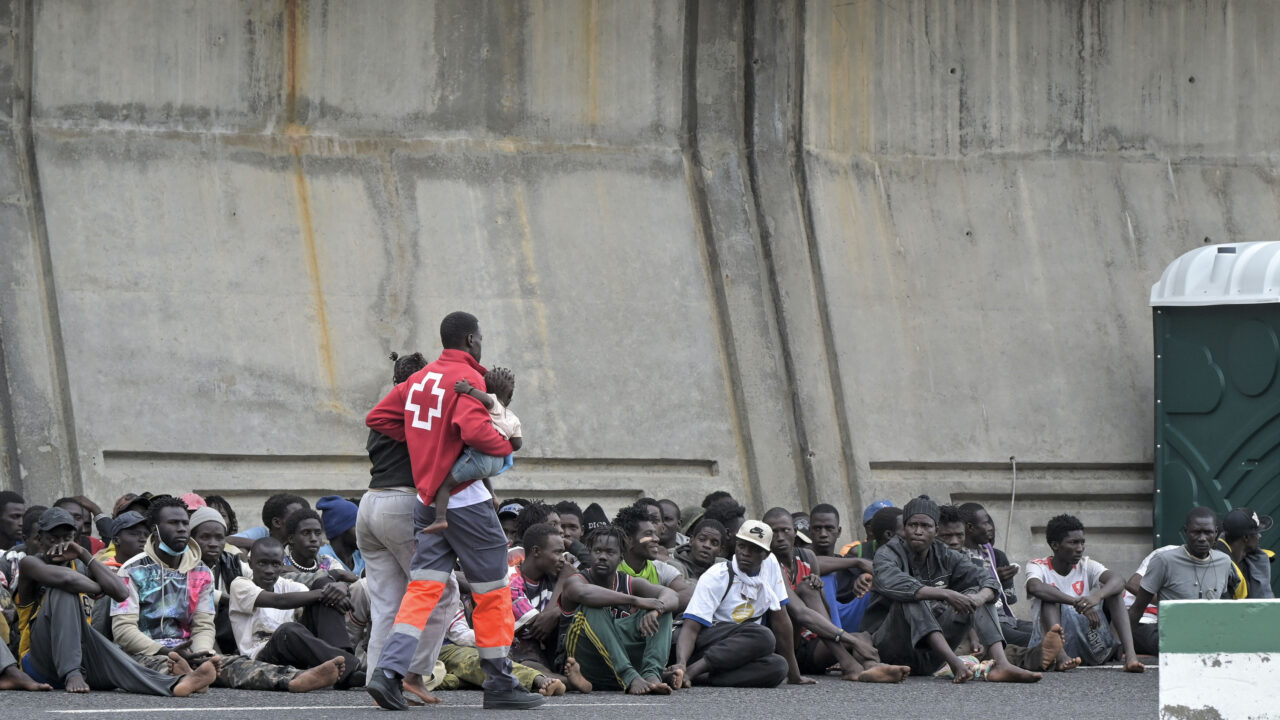
The two dioceses of the Canary Islands have called on the authorities to step up the resources deployed on El Hierro to provide a dignified reception for those arriving on the island in cayucos, without this leading to any reduction in the public services used by the island’s residents.
In a statement, the Migration Pastoral Care Committees in both dioceses express their gratitude to the people of El Hierro for «their hospitality and understanding» and recall the words of Pope Leo XIV during his visit to the port of Arguineguín (Gran Canaria): «Human dignity has no passport and does not lose its value when crossing a border».
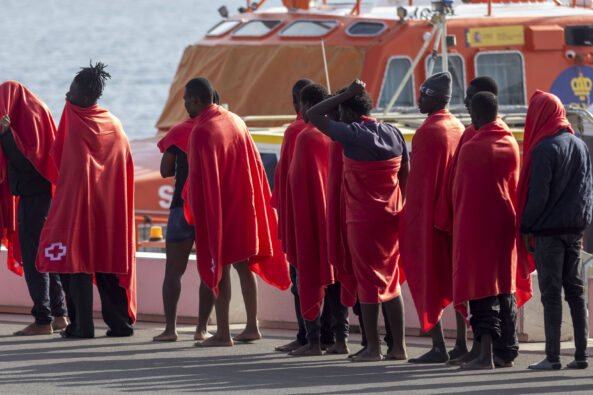
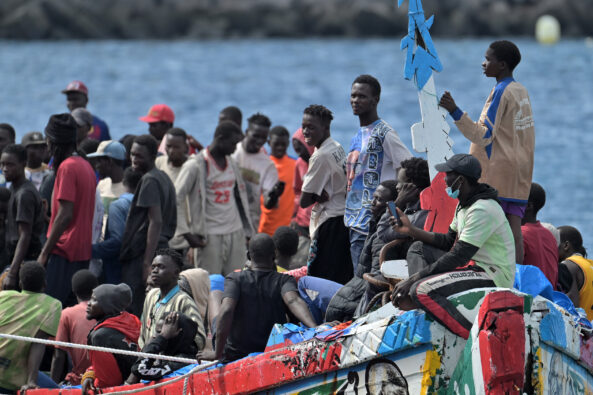
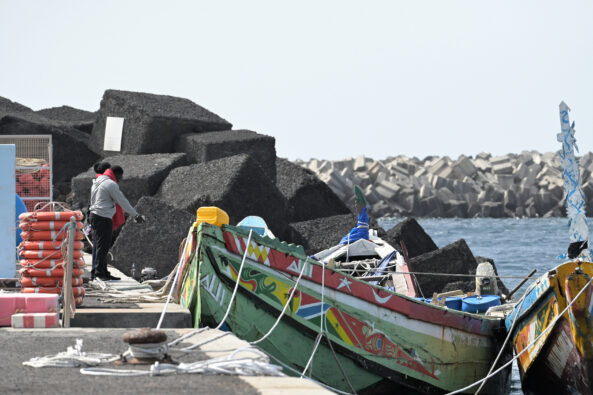
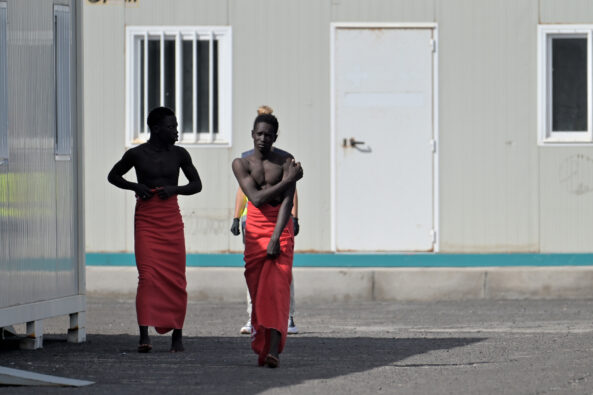
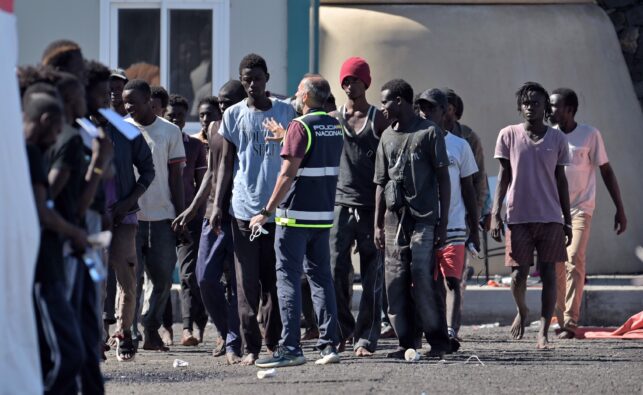
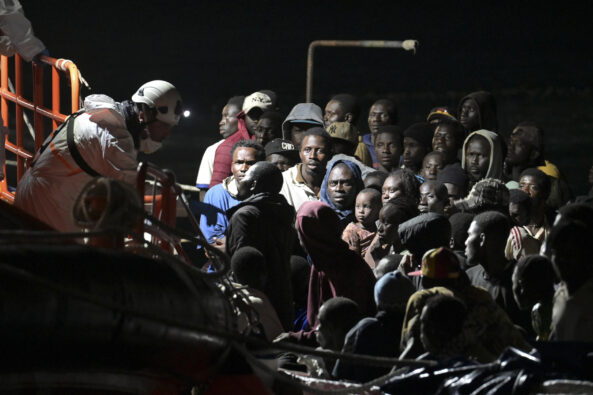
«It is the public authorities‘ responsibility to protect and provide a dignified welcome to these people who are travelling in precarious conditions and arriving on our shores and at our quays in a state of extreme vulnerability,» they warn, in light of the situation the island is once again facing, with more than 5,000 people having arrived there in recent weeks.
El Hierro: Dioceses call for a dignified reception
They are therefore calling for «dignified care and effective protection for those arriving, whilst ensuring respect for, and the normal functioning of, the resources and daily lives of the residents of El Hierro».
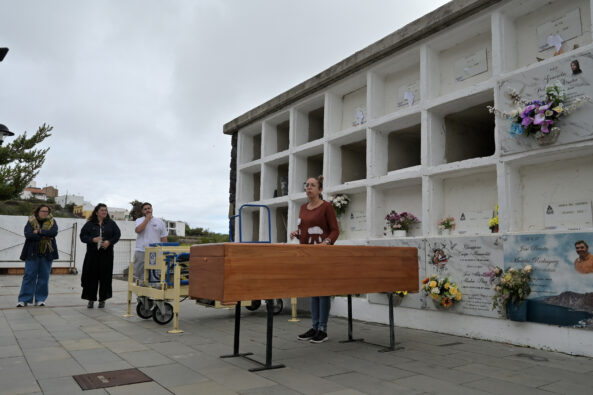
The Church of the Canary Islands expresses its sorrow for the migrants who continue to lose their lives in the Atlantic, the latest 39 having perished in a shipwreck off the coast of Senegal last weekend.
Public services on El Hierro need more staff
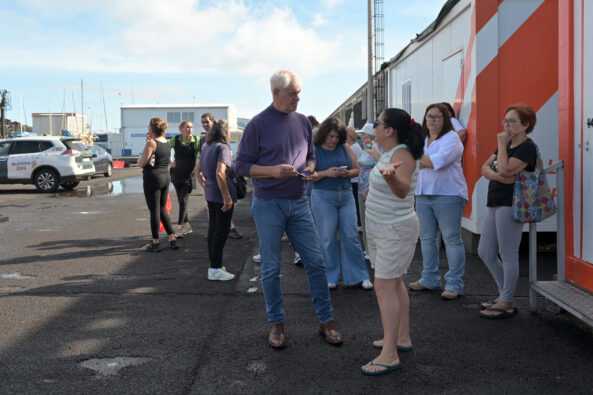
With regard to the situation on El Hierro, it expresses concern about the strain that the constant arrival of small boats on the island is placing on its public services, and about the excessive workload borne by staff involved in «maritime rescue, reception at the quayside, healthcare, transport and accommodation».
The two dioceses are calling for additional resources for services on the island, because «saving lives at sea, providing a warm welcome on the quayside, delivering the necessary healthcare, and offering accommodation and other immediate services to this population requires an increase in the human and material resources currently available on the island of El Hierro«.
The Church urges people not to forget the local population of El Hierro and calls for «the common good to be safeguarded» so that they can «continue to go about their daily lives as normal and, to that end, have access to their quays and public spaces».
Spain and Europe should pool their resources
«This means that the public authorities in Spain and across Europe must agree on and implement, in accordance with their respective remit, an increase in resources for rescue operations, on-shore care, healthcare and accommodation, amongst other things,» it argues.
The Church warns that «the increased burden of these tasks cannot be placed on the shoulders of the Canary Islands, and certainly not on El Hierro, which is a small island and whose available resources are commensurate with its resident population»; rather, it is essential to «show solidarity with one another».
It also calls on the rest of Spain to share in the efforts being made by the islands as a whole: «The Canary Islands alone cannot adequately accommodate and care for the influx of people into their limited territory. We cannot keep the entire migrant population that uses our coasts to enter Europe confined to the Canary Islands.»
Countries of origin need investment and new prospects
Finally, it encourages the search for solutions in the countries of origin «so that people are not forced to migrate in precarious conditions due to a lack of opportunities or insecurity in their own country», something that «requires investment and trade agreements» that offer opportunities to the citizens of those African countries.
«Similarly, we must fight against the criminal organisations so that the Atlantic ceases to be an inhumane graveyard,» they conclude.
Comments (0)
No comments on this article yet.