

Von Sandra Burkhardt
By Sandra Burkhardt
A few years ago, I thought I’d bagged a bargain. A private holiday let on favourable terms – I quickly transferred the deposit – and then came the let-down: I’d been scammed. There was no property, no one behind it; in the end, all that remained was disappointment.
My case, however, is just the tip of a much bigger iceberg. Housing in the Canary Islands is becoming prohibitively expensive for more and more people, whether they are locals, returnees or expats who want to build a permanent life here.
In the south, this translates into the following: a one-bedroom flat measuring 30 to 40 square metres now costs between 950 and 1,200 euros a month. That works out at up to 40 euros per square metre.
Canary Islands: Property prices are rising and rising
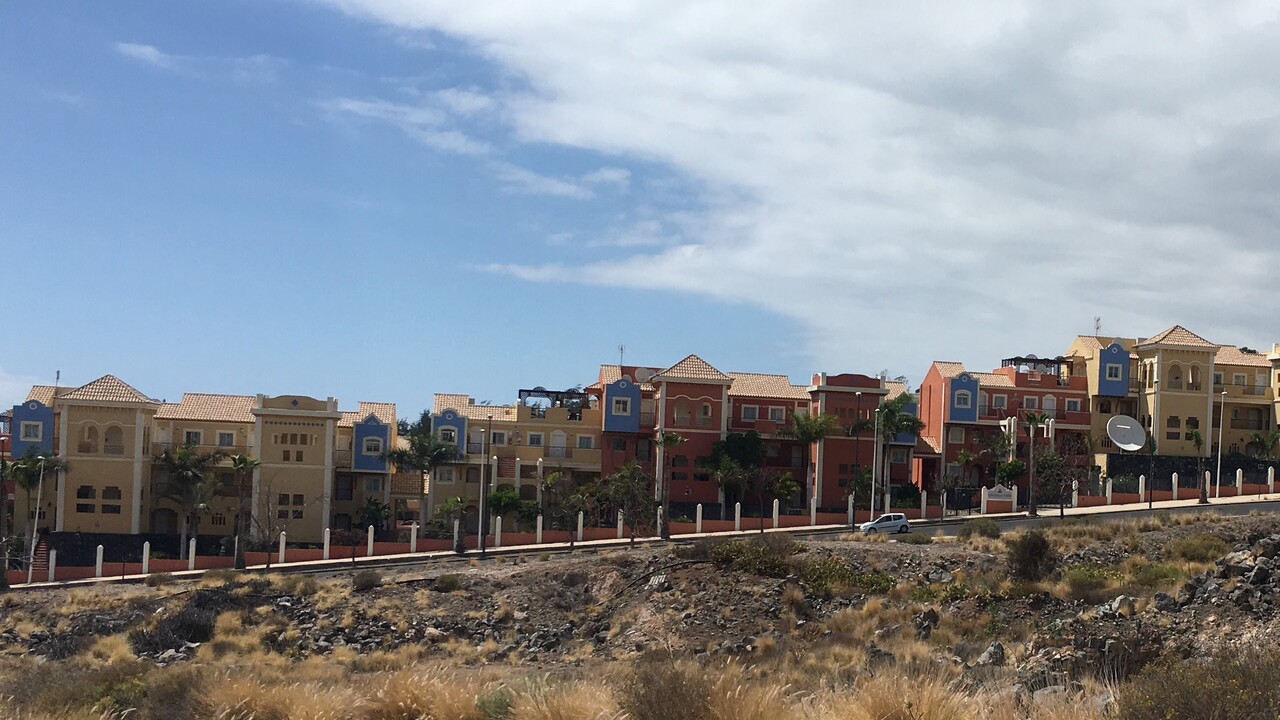
Anyone moving into a new residential complex offering one or two rooms, simply furnished and lacking any modern conveniences, can expect to pay 1,800 euros or more. Just a few years ago, you could get a simple two-bedroom flat in an older building for around 165,000 euros. Prices now start at 265,000 euros, and once the property has been renovated, they are often between 400,000 and 450,000 euros.
The situation is hardly any better for detached houses. Two years ago, a semi-detached house or a smaller house would have changed hands for between 450,000 and 590,000 euros; today, prices are being quoted at over 1,000,000 euros – if you can even find anything on the market.
Even more concerning is the structural condition of many of these properties. Older buildings contain outdated wiring and pipework, and lack both insulation and ventilation. In some places, there is also mould, heavy metals in the old pipework or asbestos in the building fabric – all risks that hardly anyone mentions.
In new-build properties, meanwhile, a questionable trend is taking hold: simple hollow-block walls or OSB constructions are elaborately clad and then marketed as ‚luxury properties‘ for more than 2 million euros. Behind the glass façades and designer tiles, there is often little more than a shell-only standard of finish.
These skyrocketing prices stand in stark contrast to the minimum wage, which in the Canary Islands stands at around 1,323 euros gross per month (as of 2025). After deductions, people are often left with not even 1,100 euros net, whilst rents in many cases are significantly higher than that.
What is left of all this? Quality of life, savings, a future? The government talks of reorienting tourism, focusing on pensioners and medical tourists. At the same time, however, more and more people are losing their prospects of secure housing; some have long since been living in their cars, staying with friends or in derelict buildings.
Affordable housing for the Canary Islands
Quality of life is deteriorating in other ways too: traffic congestion and rubbish problems, coupled with water shortages and poor air quality caused by Calima and particulate matter. The number of lung cancer cases is rising, and the health risks posed by poor building standards are virtually never discussed.
Who actually benefits from this trend, and who is expected to pay these prices? Above all, however, the question remains: where are families supposed to live? In a one-bedroom flat, or simply on the street? As soon as housing becomes an object of speculation, the island loses its future.
What the Canary Islands need now is not yet another tourism strategy, but a housing strategy underpinned by responsibility and foresight. Decisive action rather than token gestures, protection for the population against displacement, plus affordable housing of genuine quality, as well as clear rules against speculation, false luxury and vacant properties.


No comments on this article yet.