

By Marlis Zoschke
Following Franco’s death on 20 November 1975, the dictatorship in Spain did not end immediately. In our village, Puerto de Santiago, people genuinely mourned Franco. The Spanish flag hung from the windows of most houses. However, there was no indication that Spain would now return to a monarchy – or that people would even be pleased about it.
Just two days later, Juan Carlos and Sofia of Greece – the granddaughter of the last German Emperor’s only daughter – became the new royal couple. The two had been married since 1962. There was little sign of that either.
In various parts of the south of the Canary Islands, the area still gave the impression of being in the Third World. The people were hard-working and labouring in the fields. Some of the huts looked pitiful.
There were rarely proper floors in the houses, and yet they were very clean. Four years of schooling was the norm. Anyone who owned a small finca growing bananas earned just enough to get by.
Funerals in the Canary Islands
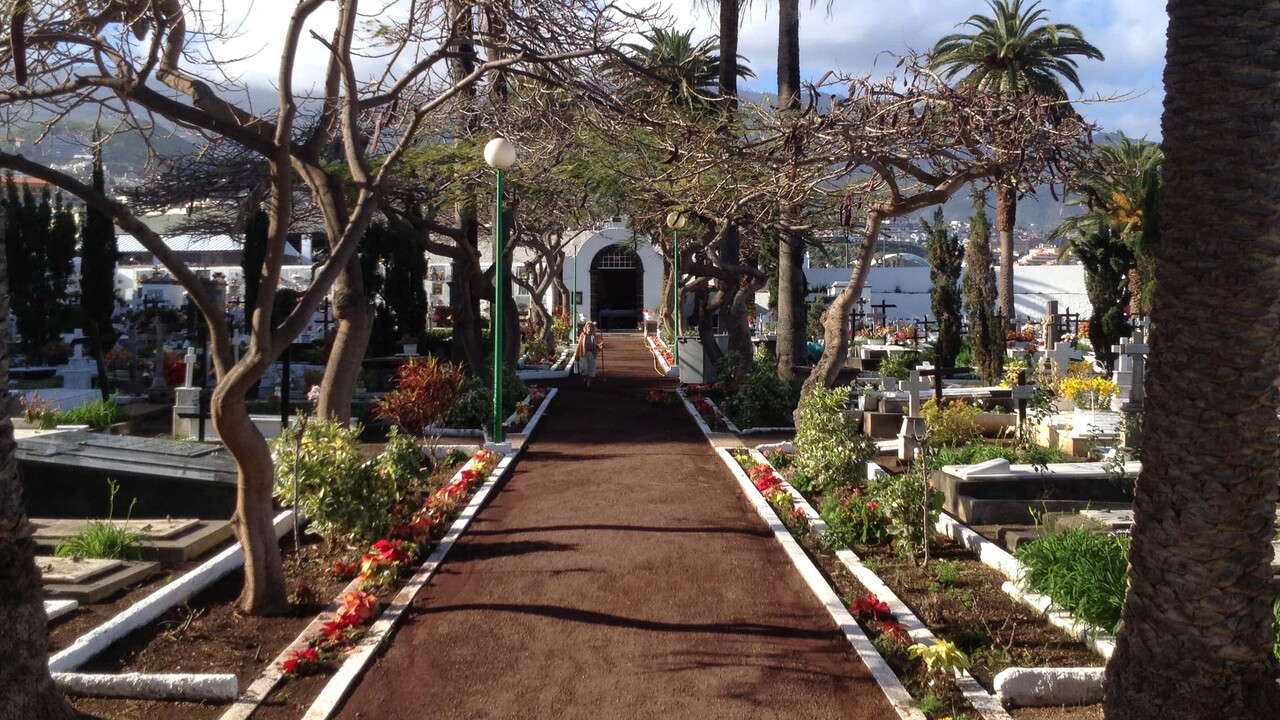
As in all southern countries, the dead had to be buried before sunset. Once the mass in the church was over, the funeral service was also finished. No priest accompanied the procession to the cemetery; the relatives took care of transporting the body there themselves.
Whenever the funeral procession passed by farm labourers, they would all stop what they were doing and walk with it to the cemetery. And they did so just as they were. It was really all about paying their last respects to the deceased, and not about being the best-dressed person there.
When we arrived at the cemetery, the bricklayer was already waiting. The lid of the coffin was lifted and everyone said their final goodbyes. Then a large sack full of lime was passed round, which the bricklayer scattered over the deceased with both hands. The sight gave many of those standing by goosebumps. Afterwards, a concrete slab was placed over it and it was all over.
As families were always very large, there were funerals all the time. And the women never had any trouble finding something to wear, as there was only ever black.
Our reader correspondent, Marlis Zoschke, writes regularly about her experiences over many decades in the Canary Islands. You can find more articles here.
«This is how people mourn in the Canary Islands»
No comments on this article yet.