

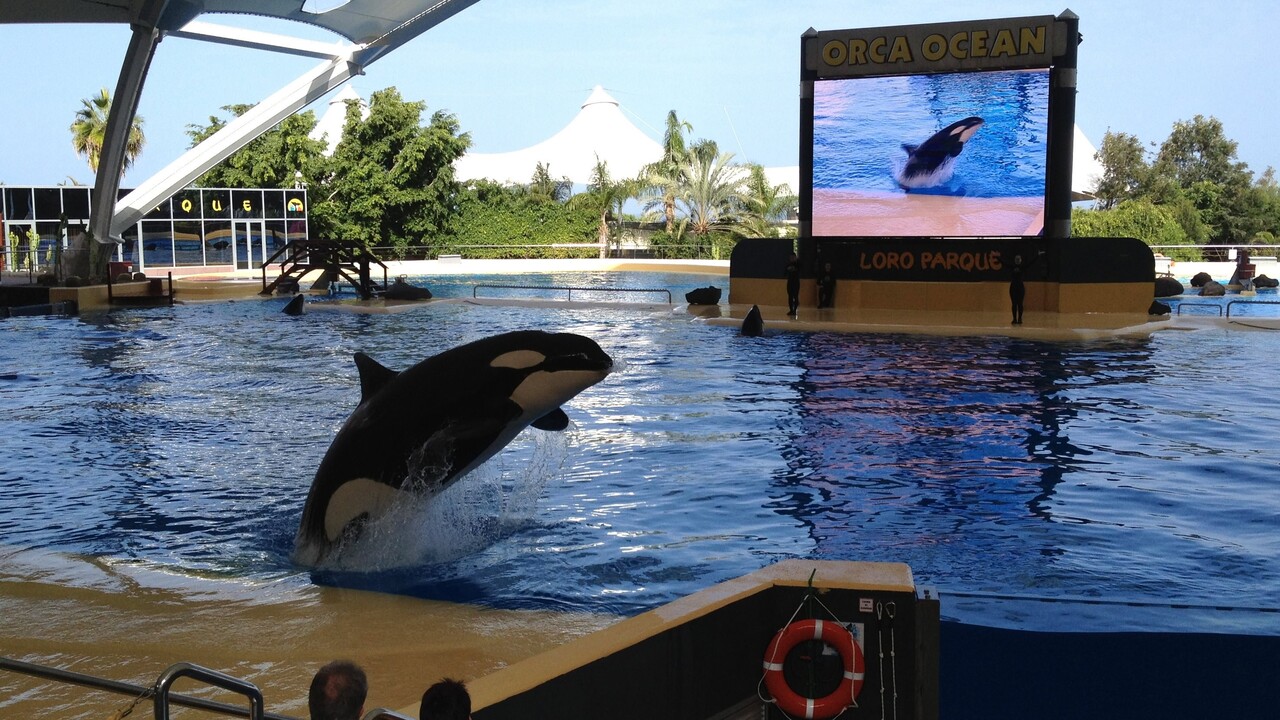
Once again, the Orca Ocean at Loro Parque in Tenerife has made the headlines. Keto is the fourth orca to have died in just over three years. Keto was 29 years old.
Orca Keto lived on Tenerife, but was originally from the USA. The marine park in Puerto de la Cruz has come in for particular criticism for keeping whales in captivity. Keto came from Orlando. A joint breeding programme with Sea World linked the Canary Islands and the USA for many years.
In the face of growing criticism of the keeping of live orcas in captivity, SeaWorld ended its orca programme – apparently without informing Loro Parque at the time. Animal rights activists have levelled sharp criticism.
Loro Parque in Tenerife under fire over orcas
Keto was born on 17 June 1995 in Orlando and brought to Tenerife as part of the cooperation programme. Loro Parque regarded him as an «exceptional ambassador for his species» who «captivated everyone with his imposing presence and unique personality».
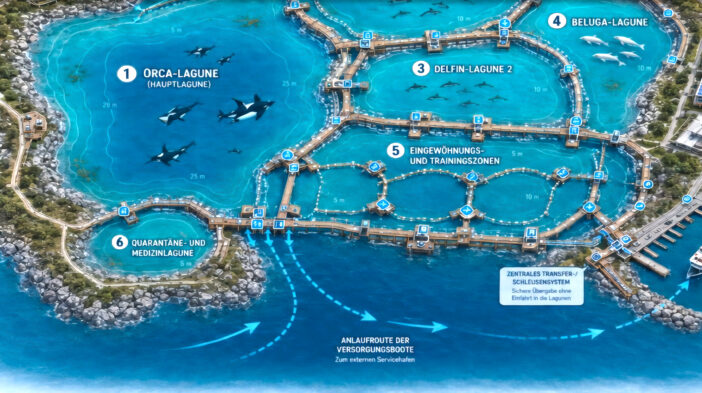
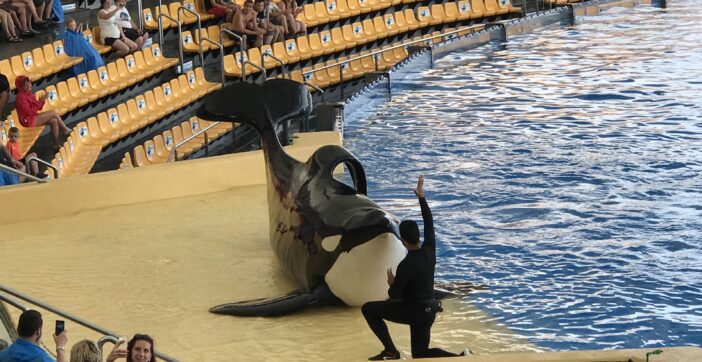
Critics of the orca programme have been accusing Loro Parque for many years of exploiting the animals in order to maximise profits. They regard the keeping of orcas in captivity as a violation of ethical and humanitarian principles. In the wild, the animals normally cover up to 65 kilometres a day. In captivity, however, they are said to have only a few metres of space.
Loro Parque often responded to criticism such as this by referring to Morgan, a female orca who was found stranded on the Dutch coast in 2010 and was deaf. They argued that she would not have been able to survive in the wild, so relocating her had saved her life. The zoo built a special light-signal-based facility for Morgan so that they could communicate with her.
Loro Parque maintains that releasing other orcas, such as Keto, back into the wild is impossible, as they have never learnt to hunt. Animal rights activists are calling for them to be moved, at the very least, to a large, protected enclosure.
Four orcas have died in Tenerife within three years
Keto, on the other hand, was considered to be in good health. Shortly before his death, he had shown «signs of being unwell», the park reported. The veterinary team then attempted to examine Keto. However, due to his size, it had been difficult to obtain usable ultrasound images.
Furthermore, orcas tend to «hide signs of illness». According to the zoo, this is «an instinctive behaviour designed to avoid showing weakness within their group – which makes providing them with veterinary care even more difficult».
It is now a matter of determining the cause of Keto’s death. An post-mortem examination has been ordered, Loro Parque went on to say. The zoo also pointed out that, at 29, Keto had reached exactly the average life expectancy estimated for males in the wild.
Orca keeping: Animal rights activists criticise Loro Parque
«It is appalling that it is still permitted to keep wild animals in captivity and to exploit them for the entertainment of tourists,» criticised the animal welfare organisation «World Animal Protection», for example.
Between March 2021 and September 2022, three orcas died at Loro Parque. First to die was the female orca Skyla, followed shortly afterwards by her calf, Ula. A year later, Loro Parque reported the death of Kohana. Keto is therefore the fourth death in Loro Parque’s Orca Ocean within the space of about three years.

«Loro Parque on Tenerife: Fourth orca dies within three years»
No comments on this article yet.