

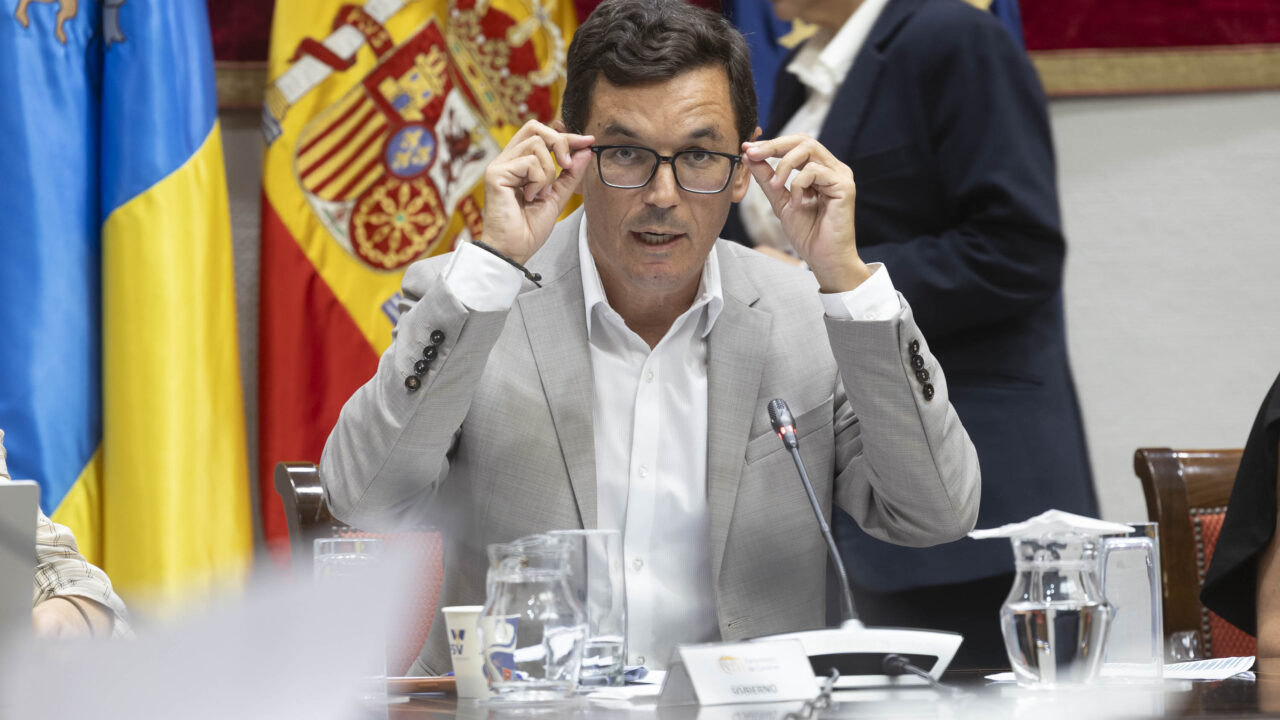
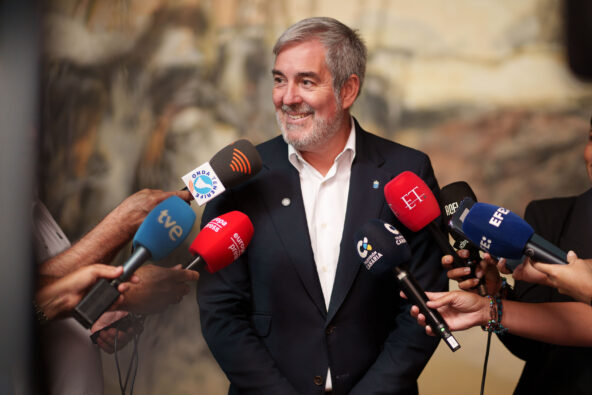
Pablo Rodríguez, the Canary Islands Government’s Minister for Public Works, Housing and Mobility, stated on Tuesday that his department’s budget demonstrates that housing is his priority, as, for the first time, the Canary Islands Housing Institute, with a budget of 249 million euros, is the government agency (Icavi) with the highest expenditure.
However, the opposition has claimed that the bulk of the funding comes from the State, whilst the organisation’s own funds are minimal.
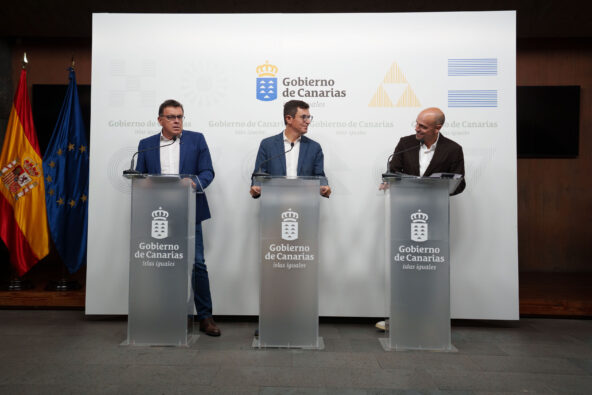
Pablo Rodríguez appeared before a parliamentary committee on Tuesday to outline his budget plans for 2027, with projected expenditure of 551 million euros, of which 316 million is earmarked for housing, an increase of 23 per cent.
Canary Islands: Own-source funding for housing triggers budget row
«The Canary Islands Government has never allocated so much public funding to housing,» the minister emphasised, although he admitted that, given the housing crisis, it will always be considered insufficient.
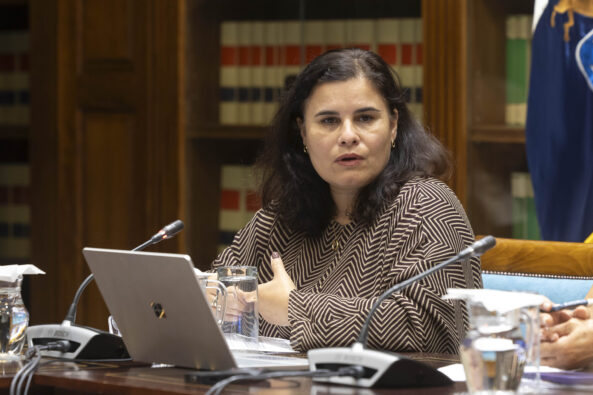
However, PSOE MP Patricia Hernández has questioned the Government’s commitment to using its own funds and has stated that, whilst the regional budget has increased by 3,000 million euros since 2019, the region’s own resources allocated to housing have risen by only 19 million.
She has attributed a large part of the allocation to central government contributions and has accused the regional minister of once again including 49 million in European funds in the budget which, she claims, have not been utilised in previous financial years.
Carmen Hernández, a member of the Nueva Canarias party, has stated that, of the increase of around 48 million euros in the housing budget, 45 million comes from central government and 3.6 million is contributed by the Canary Islands Government, an effort she considers derisory given the increase of more than 700 million in the regional budget.
Paula Jover, of Vox, believes that the resources allocated to housing construction are insufficient and has accused the Government of having given up on the Canary Islands Housing Plan whilst the housing crisis persists.
Housing Institute receives 249 million euros
Councillor Pablo Rodríguez has emphasised that the accounts reflect the greatest budgetary effort, using the region’s own funds, allocated to housing, and has assured that this policy is at the heart of the Canary Islands Government’s priorities, with the region contributing four out of every ten euros towards the funding of the State Housing Plan.
Rodríguez explained that Icavi will have 249 million euros at its disposal in 2027, a 26 per cent increase, of which 93 million will be allocated to building social housing, 84 million to grants and 51 million to regenerating neighbourhoods and buildings.
In addition to these measures, there is 67.5 million from the publicly owned company Visocan and 3 million for the ‚young people’s mortgage‘ scheme.
The transport budget funds roads, local transport and ports
As for other areas of his department, he highlighted that the Directorate-General for Road Infrastructure will have a budget of 227.4 million euros, including 215 million corresponding to the annual instalment under the roads agreement, which will enable the works and projects planned for the islands to continue.
In the Transport and Mobility sector, the budget will total 147.3 million euros; amongst the main sources of funding, the regional minister cited the 47.5 million transferred by the State to offset the operating deficit in regular passenger transport.
He also highlighted the increase in funding for free transport from 81 to 120 million, on a multi-annual basis.
Puertos Canarios will have a budget of 30.4 million euros and plans to invest 20 million, the largest sum allocated to its port network, according to Rodríguez.
The Directorate-General for Coasts and Maritime Spatial Planning will increase its budget by 3 per cent, to around 3.7 million euros, whilst it works on the future Canary Islands Coastal Act and strengthens its management resources.
For its part, the Deputy Ministry of Infrastructure will have 10.6 million at its disposal and will focus part of its work on innovation.
Government parliamentary groups defend their approach to housing policy
Speaking on behalf of the groups supporting the Government, Socorro Beato, of CC, has argued that housing is once again a priority for the Government, with a policy that combines construction, an increase in the housing supply, financial assistance and tax measures.
She pointed out that ICavi’s budget has grown by 65 per cent during this parliamentary term and argued that there has been a turnaround in the housing situation, although the problem has not yet been resolved.
Speaking on behalf of the PP, Jennifer Curbelo stated that the Government has tackled the housing crisis and reversed the trend in the housing market, and she rejected criticism of its use of state funds allocated to the Canary Islands.
ASG MP Jesús Ramos has highlighted housing as a social priority and the increase in the Icavi budget, but has called for clarification on the difference between the 67.5 million announced for Visocan and the 19.5 million which, as he pointed out, appear in the accounts, compared with the 43 million set aside for investment during the previous parliamentary term.
Raúl Acosta, a member of the Mixed Group representing AHI, has called for the less populated islands not to be sidelined in housing policy and has called for improvements to inter-island transport.


Comments (0)
No comments on this article yet.