

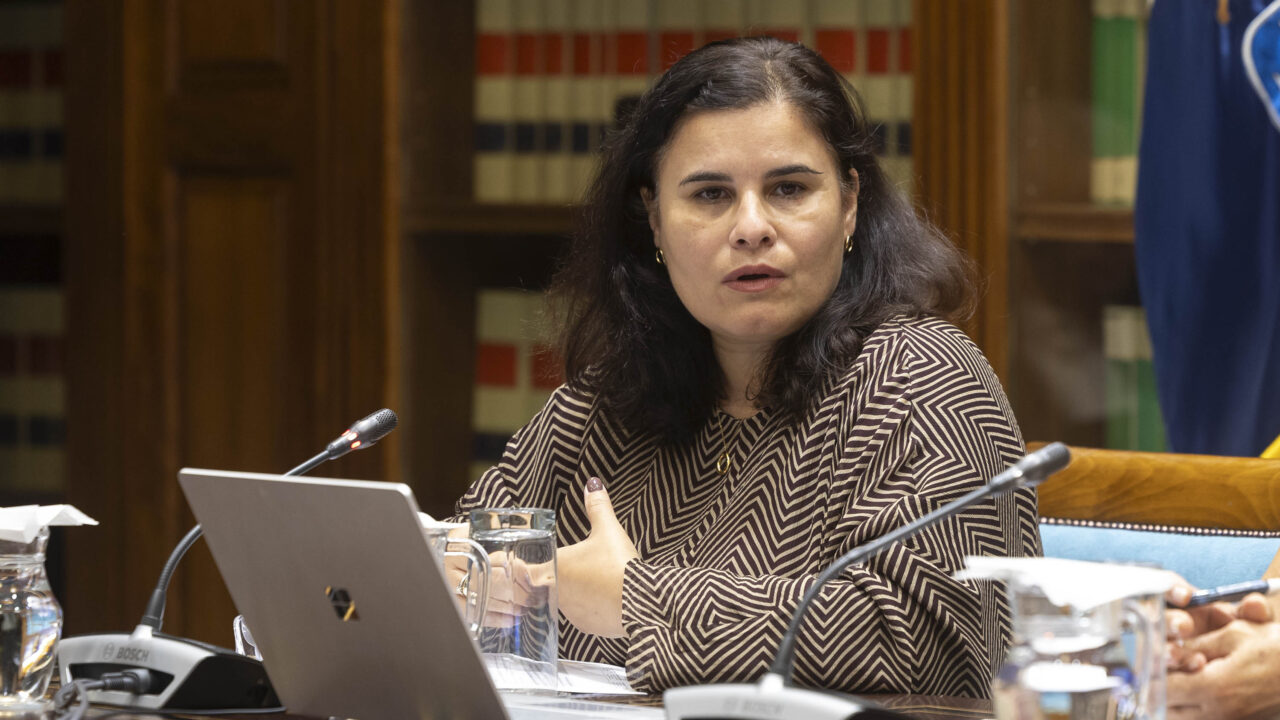
The president of the Canary Islands Federation of Municipalities (Fecam), María Concepción Brito, has told the Canary Islands Parliament’s committee investigating child poverty that housing is the main factor contributing to vulnerability and the perpetuation of poverty. She has therefore called for caps on unaffordable rents, which reach 600 euros per room in municipalities outside the capital.
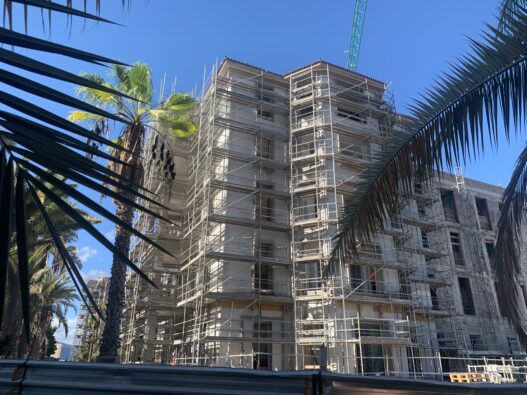
The construction of social housing is progressing far too slowly and, in the meantime, the Canary Islands Government needs to take measures such as designating areas under pressure in order to cap prices and encourage renovation, Mr Brito has pointed out.
On the subject of the regulation of holiday rentals, he has criticised the fact that the responsibility for inspections falls on local councils without them being provided with any funding.
Canary Islands: Fecam calls for purchase restrictions and more social funding
He has also proposed restricting the purchase of property by foreign nationals, whilst acknowledging the jurisdictional difficulties and those arising from the European framework.
Brito has highlighted the frustration felt by local councils towards the Canary Islands Government because it has failed to provide funding for the catalogue of social services; he argues that «it has proposed amending it, but has not undertaken that reform either», and has not updated the Agreement with the local councils since 2002.
Childcare and the fight against poverty remain underfunded
The president of Fecam has also called for full coverage of the educational cycle for children aged 0 to 3 across all the islands, as local councils are forced to take on responsibilities that do not fall within their remit in order to maintain nursery schools.
He has criticised the Department of Education for focusing solely on infrastructure and has refused to blame municipal maintenance services for the air-conditioning problems, because «you cannot maintain what does not exist».
The local councillor has also complained that the central government’s anti-poverty funding, which amounts to between 7 and 9 million euros for local councils, is only received at the end of the year and is barely enough to cover the operational and staff costs incurred throughout the year, meaning it does not allow for new initiatives to be launched.
Mental health problems amongst young people are on the rise
María Concepción Brito has warned that financial and housing-related stress is linked to an increase in diagnosed mental health problems among under-18s and has called on the Canary Islands Health Service to appoint psychologists in regional health centres, as the support resources provided by local councils are insufficient.
Brito has highlighted that there is a growing problem with mental health and addiction amongst young people, which requires teams of outreach workers, whilst the issue of homelessness is placing a strain on the island’s resources due to a lack of local authority funding.
Small local authorities can hardly afford to fund specialist teams
Brito believes that the assessments have already been carried out and has warned that two incomes in a household are no longer enough to cover all a family’s essential expenses.
Local councils, particularly those with fewer than 10,000 inhabitants, lack the resources to maintain multidisciplinary teams; they have to make do with social workers without the support of psychologists or educators, and the funds from the Concerted Plan are insufficient to expand their staff, he insisted.
He has also proposed taking action to address the emotional strain experienced by social workers, who are subject to high levels of burnout and take sick leave due to emotional stress caused by the severity of the cases they deal with, by setting up a specialised psychological support service under the Ministry of Health.



«Canary Islands: Local authorities call for a cap on high rents»
No comments on this article yet.