

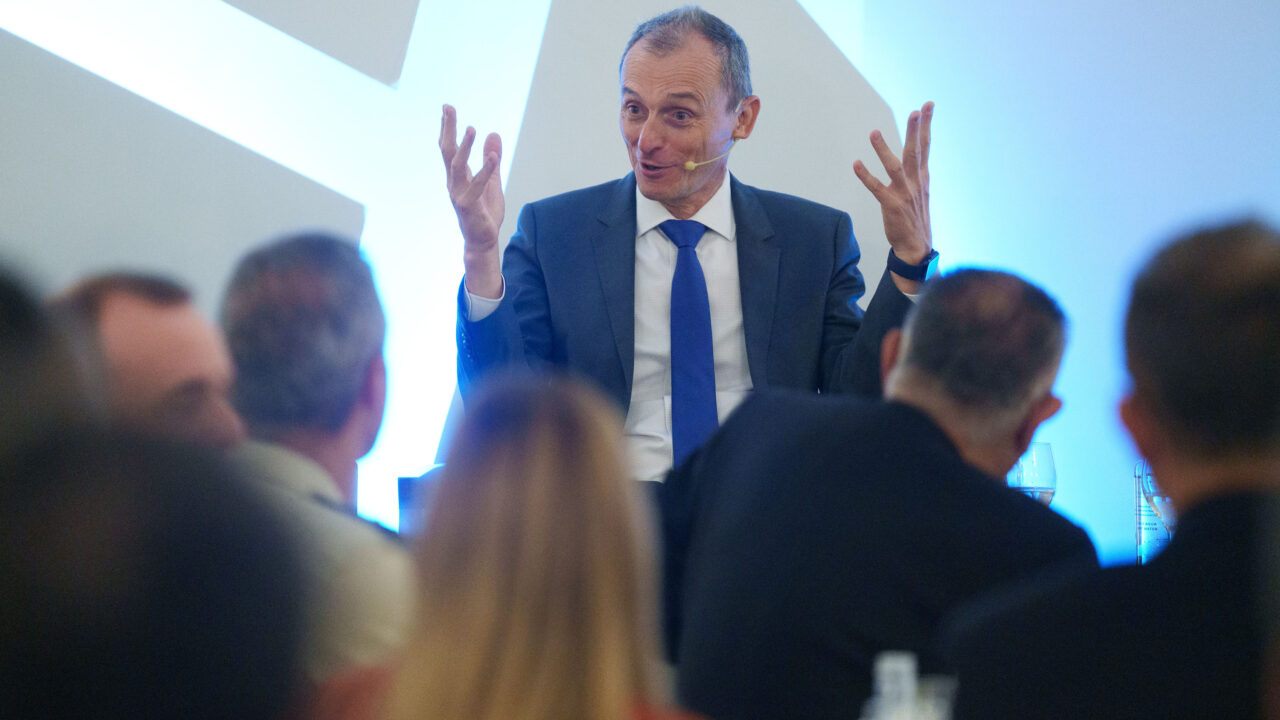
Pedro Duque, the former Minister for Science and Innovation and current chairman of Hispasat, said on Wednesday that the Canary Islands offer advantages for the development of the aerospace industry, including their proximity to the equator, their clear skies and favourable tax conditions for the establishment of technology companies.
Before taking part in the event ‚Horizon 2035: Geopolitics, Technology and Space‘, organised by the Association for Management Development in the Canary Islands, Pedro Duque highlighted that the archipelago’s proximity to the equator makes it particularly suitable for establishing rocket launch sites, a project which, as he pointed out, has been under discussion for decades but has yet to materialise.
He also highlighted the contribution of the Canary Islands Institute of Astrophysics (IAC) and recalled the vision of its founder, Francisco Sánchez, to facilitate access to the archipelago’s skies and promote the development of the local population, universities and students in the Canary Islands.
La Palma: The future of the 30-metre telescope remains uncertain
When asked about the Thirty-Metre Telescope (TMT) project, which will ultimately not be built on La Palma, Duque said that it is currently in a sort of «holding pattern» and warned that its future remains uncertain.
In his view, changes to science funding in the United States, one of the project’s main funders, could force a rethink of its development or the search for a new consortium.
«At the moment, there seems to be no way out of this, either in Hawaii or anywhere else,» said Duque, who urged people to keep a close eye on the project’s progress and did not rule out the possibility that the telescope’s design might need to be reconsidered.
Science in the election campaign
With regard to the role of science in the forthcoming election campaign, Duque has expressed his hope that the parties will continue to increase public investment in research and innovation.
The former minister has pointed out that, during his time at the helm of the department and under Diana Morant’s subsequent leadership, the Spanish Government’s investment in science and innovation has doubled.
In this regard, he pointed out that the percentage of gross domestic product (GDP) allocated to these areas has risen from just under 1.25 per cent to 1.50 per cent.
«I think the sensible thing would be for all those standing in the election campaign to aim to continue along these lines, and for there to be a further 0.25 increase in another eight years‘ time,» he said.
Space strategy: Europe needs more investment and coordination
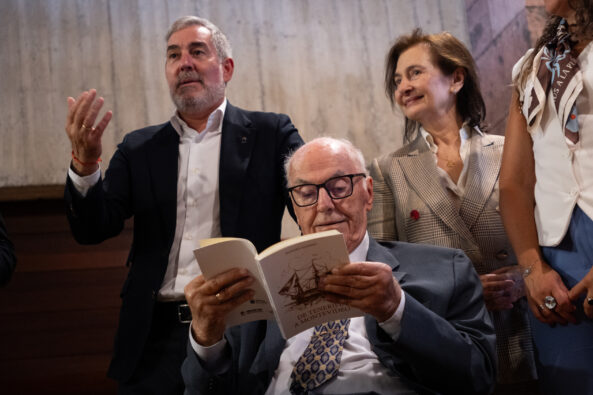
Duque made these remarks during the launch of a book on the geopolitics of space utilisation, particularly from the perspective of defence and security, compiled by a number of experts under the auspices of the Spanish Institute for Strategic Studies.
The chairman of Hispasat chaired the committee for this publication, which brings together contributions aimed at encouraging reflection on Spain’s position and its ability to influence European decision-making.
The aim, he explained, is to provide decision-makers with a reference point that enables them to understand the international context, the actions taken by different countries and the strategic implications of space development.
Among the book’s main conclusions, Duque highlighted that space assets have become essential elements in dealing with armed conflict.
He therefore emphasised the importance of Europe strengthening its capabilities and making progress on joint projects, whilst also advocating the need to increase investment and coordination amongst European countries in order to strengthen Europe’s position in the space sector, the importance of which for defence and security he considers to be growing.
«The level of investment is not enough for us and, above all, the level of coordination between European countries is not enough for us to be able to keep up,» said Duque, who pointed out that other powers are making rapid progress in this field.
Tenerife offers favourable conditions for space projects
For her part, the President of the Tenerife Island Council, Rosa Dávila, who was responsible for opening the event, emphasised that Tenerife offers favourable conditions due to its status as an outermost region, the capacity of its supercomputers and its connectivity via undersea cables.
She also added that the sector is already creating jobs and helping to attract back skilled talent, thanks to the transfer of knowledge from the Canary Islands Institute of Astrophysics (IAC) and the initiatives promoted by the Island Council.
She also took the opportunity to announce that the organisation will soon be deploying its own constellation of four satellites to monitor the islands from space and improve the response to events requiring civil protection measures.
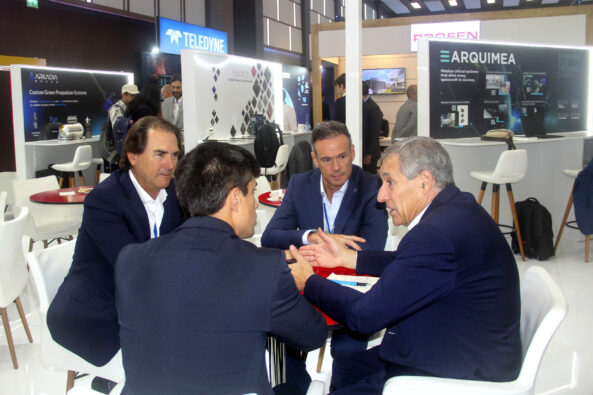
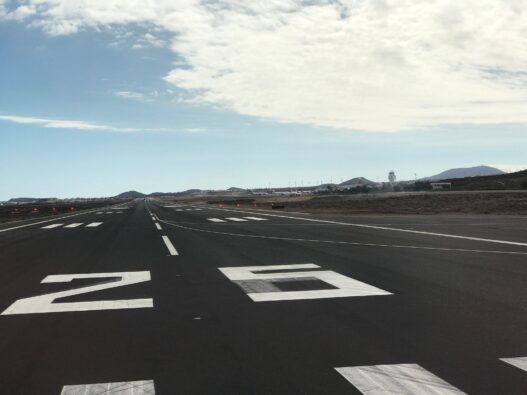
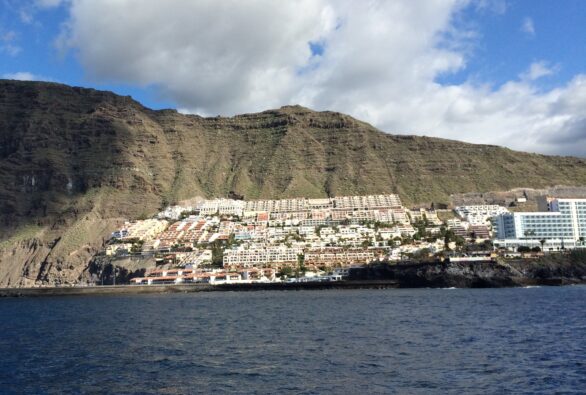


«Tenerife is set to launch four of its own satellites soon»
No comments on this article yet.