
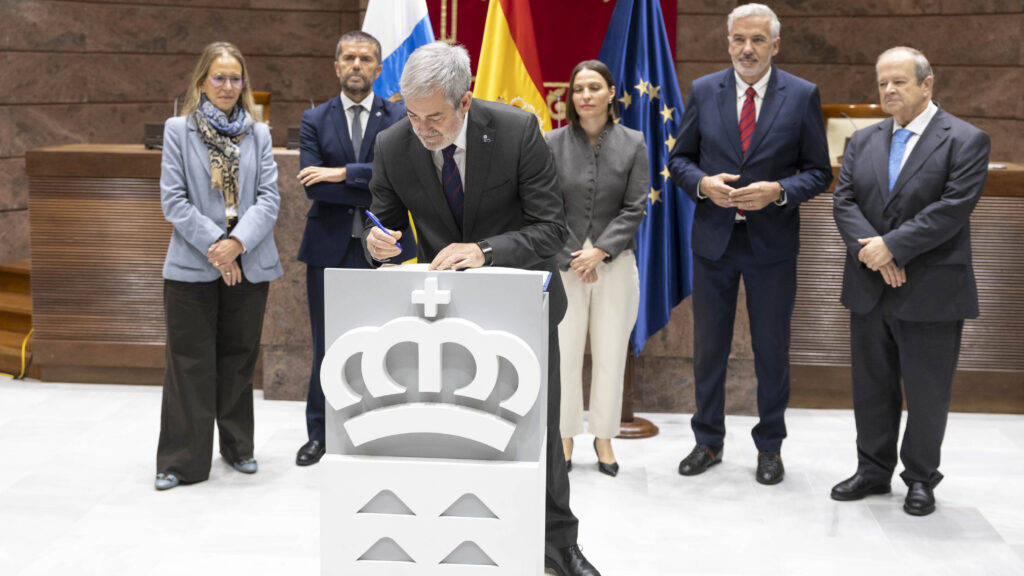
The Canaries have secured stable funding for state universities until 2030, yet urgently needed student housing is still lacking.

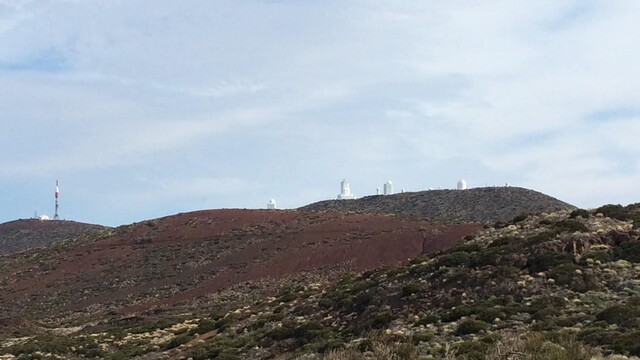
The universities in the Canary Islands are amongst the best in the country. Their research is sometimes regarded as pioneering in various fields. Here you will find important and quirky news stories from the world of science in the Canary Islands:
More on this: Anaga’s laurel forest feels the strain of rising visitor numbers
The Canaries have secured stable funding for state universities until 2030, yet urgently needed student housing is still lacking.
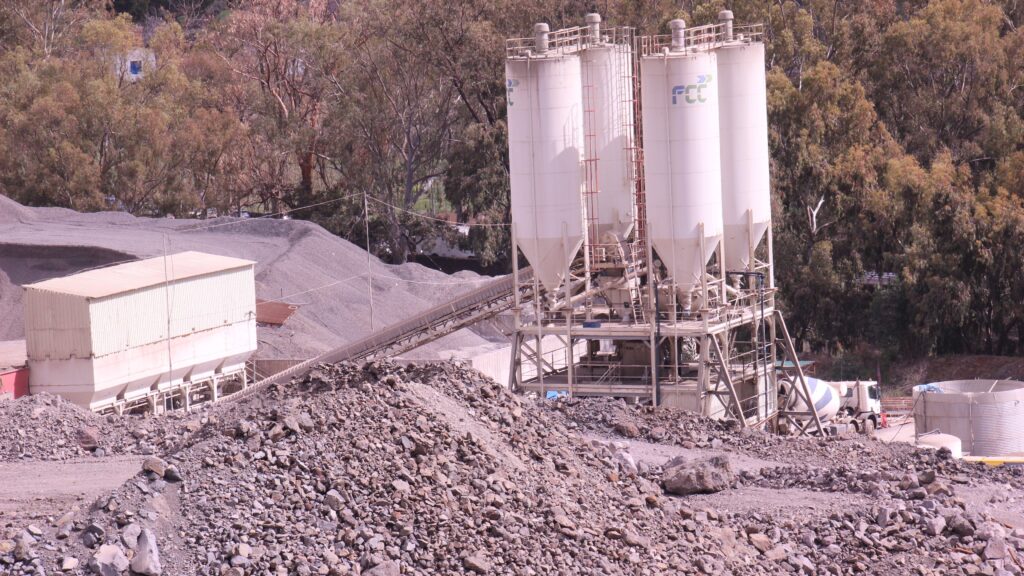
The island is paying 1.68 million euros for social housing on Fuerteventura. Further resolutions cover nurseries, land and tariff rates.
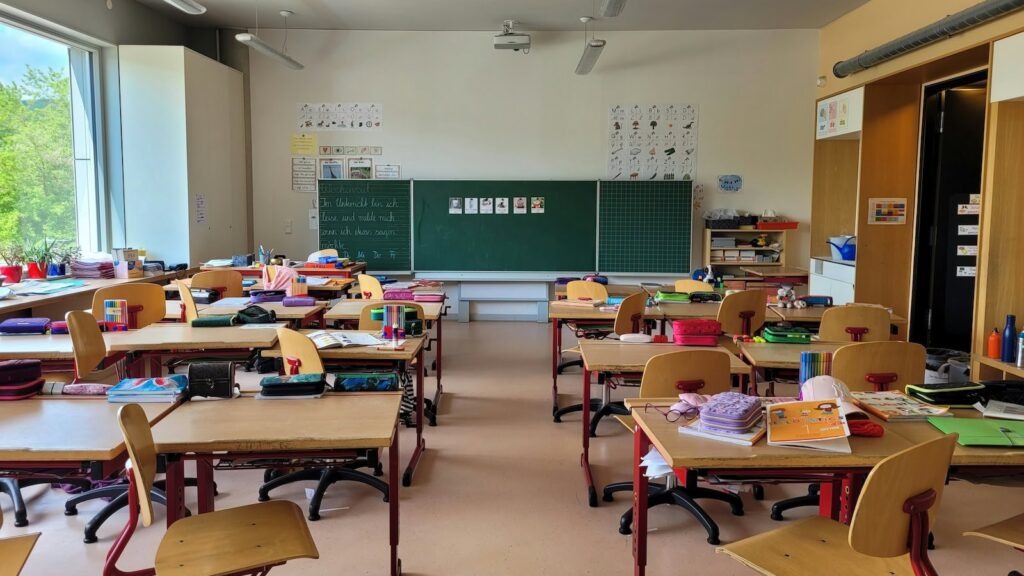
New rules governing school life in the Canary Islands will come into force on 29 November. Schools have one year to draw up new school rules.
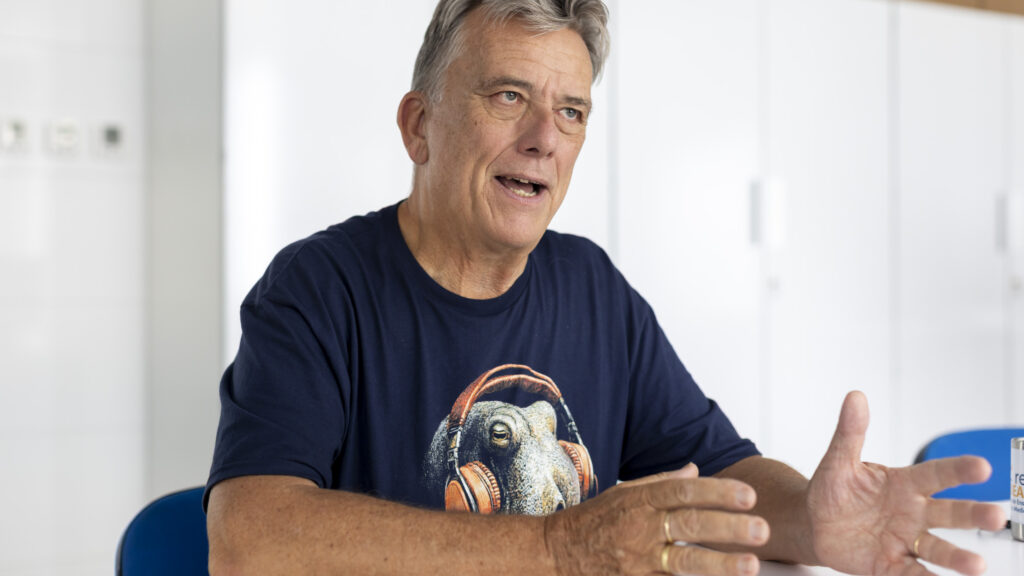
Gran Canaria is listening to the ocean through fibre-optic cables. By some estimates, only ten per cent of the species living there are known.
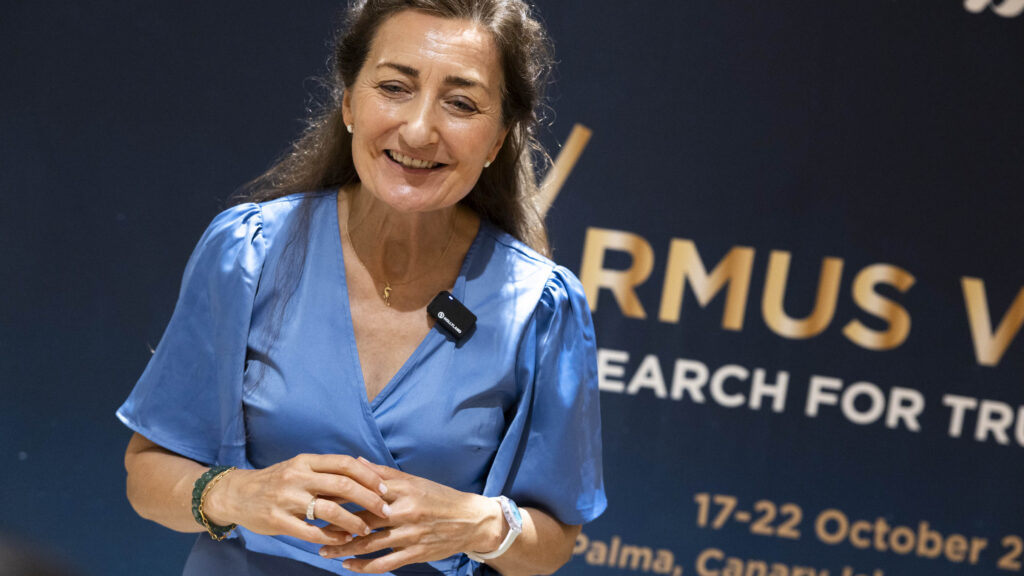
May-Britt Moser is researching the brain's GPS. Grid cells form precise patterns and remain active even whilst we sleep.

Sian Proctor is promoting resource-efficient space travel in Tenerife. Before Mars, the Moon is to become a laboratory for life in space.
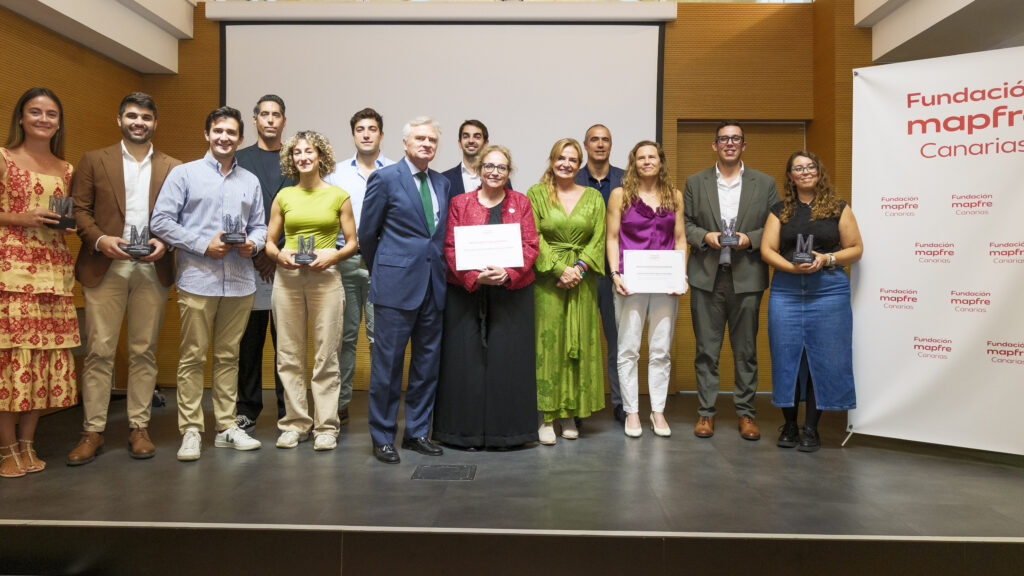
Mapfre Canarias is funding four medical research projects. One of these is investigating the high incidence of type 1 diabetes among children.
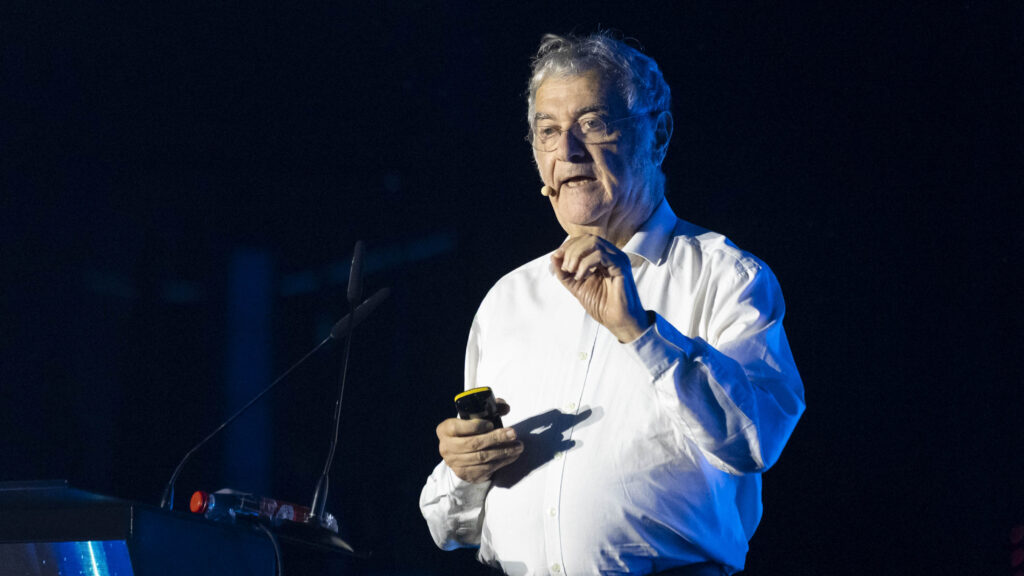
At the Starmus festival in Tenerife, Nobel laureates have spoken out against the idea of interstellar colonies. They argue that there is no substitute for Earth.
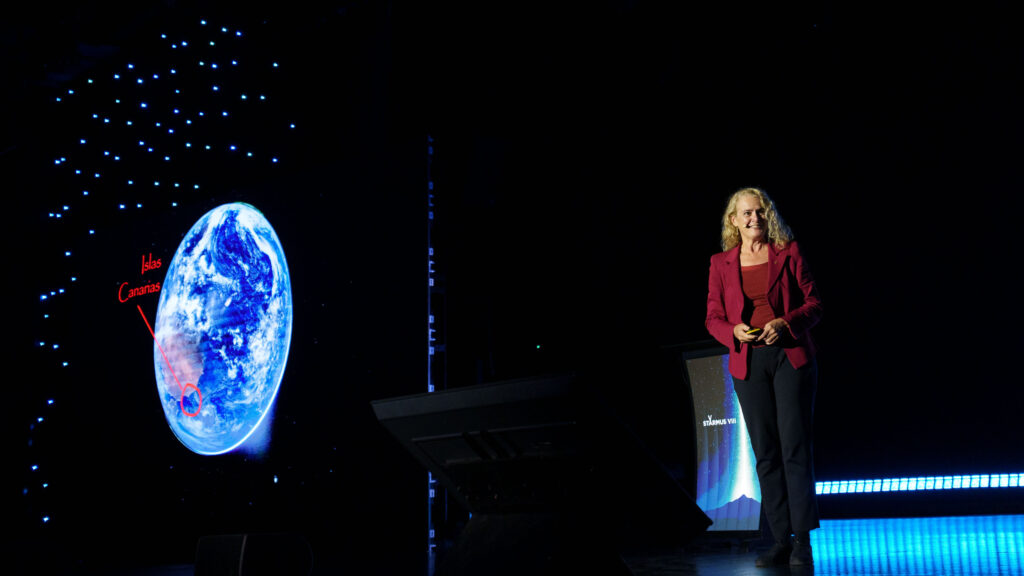
Julie Payette tempers Mars enthusiasm in the Canary Islands. A two-year journey poses mundane problems for space travel.

Geoffrey Hinton warns in Tenerife of AI that is superior to humans. His protection model is not an obedient assistant, but a mother.
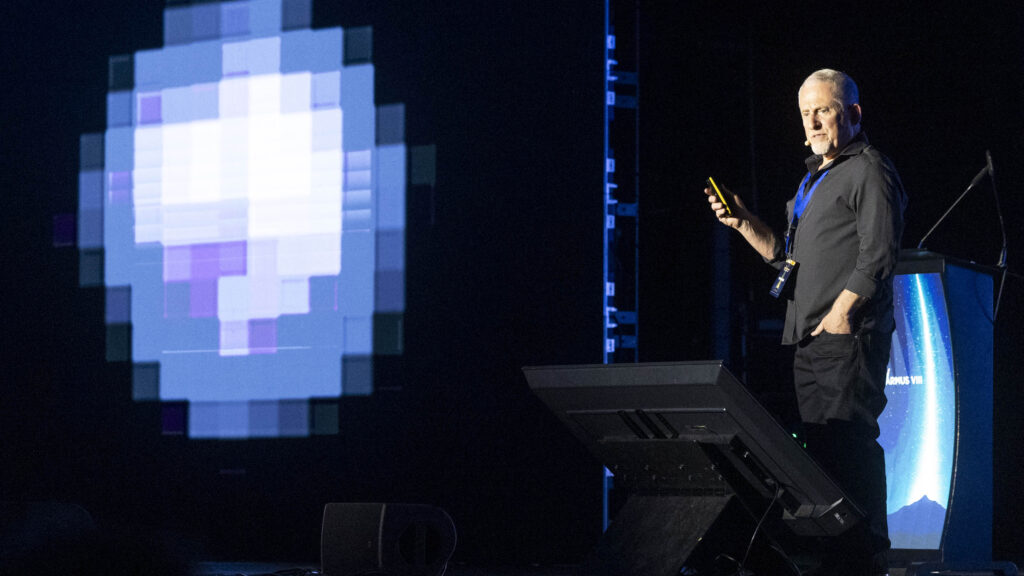
The Starmus Festival in Tenerife takes you on a journey to Pluto, with mountains 6,000 metres high and possible ice volcanoes.

Geoffrey Hinton warns in Tenerife of incomprehensible AI. Steven Pinker, however, says its usefulness depends on verifiable answers.

The Starmus Festival kicks off in the Canary Islands. Astronauts call for unity, and Brian May is unexpectedly awarded a medal.
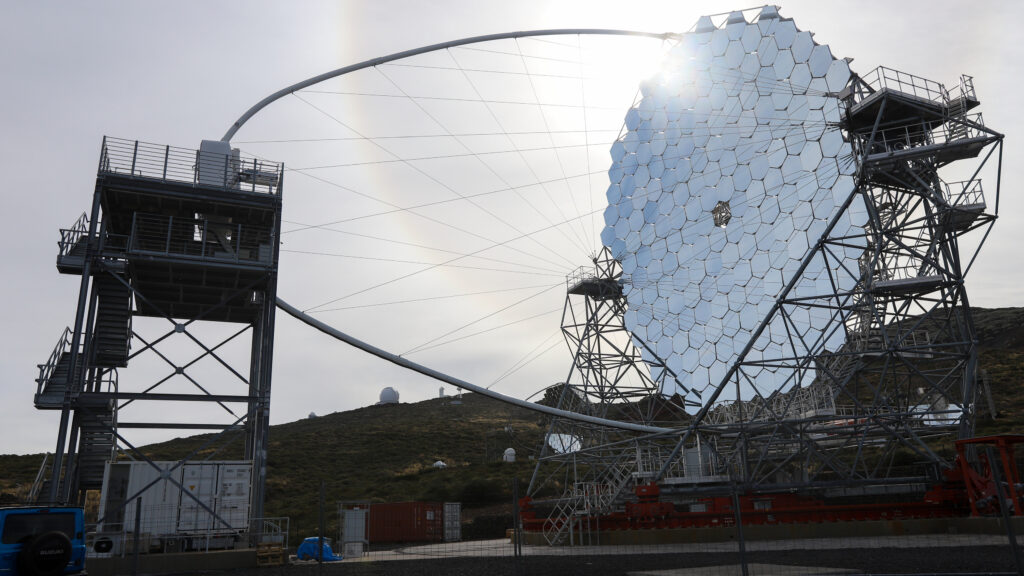
The new telescopes on La Palma are studying gamma rays. They will also search for traces of dark matter and unknown phenomena.
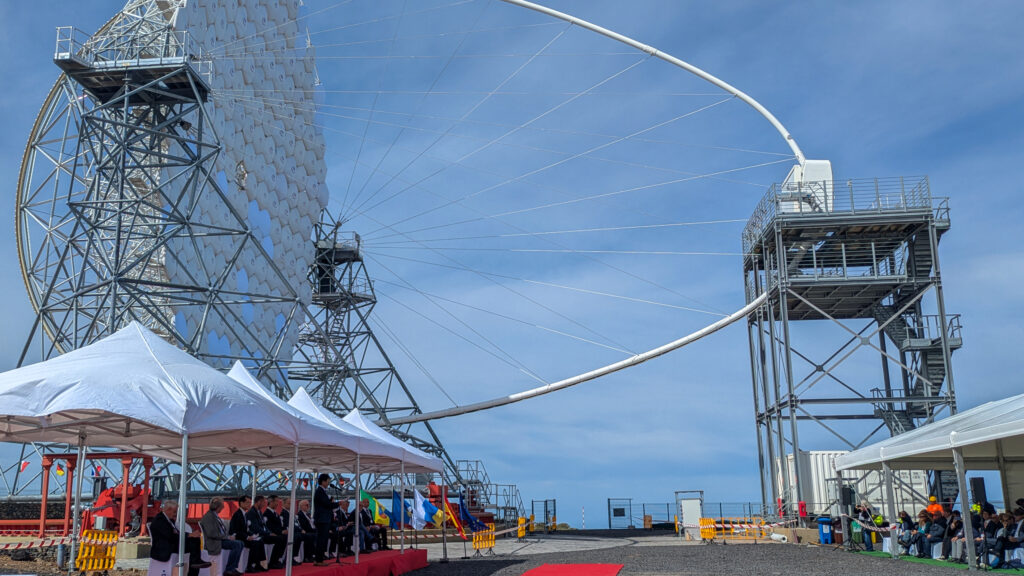
Four new Cherenkov telescopes begin operations on La Palma. They respond to explosions and will later work with nine more.
According to AirCanLab, the Canary Islands comply with future EU air quality limits. However, Saharan dust caused PM10 levels to rise to almost 1,000.
The Canary Islands offer advantages for rocket launches, but plans have stalled for decades and the telescope project remains unresolved.
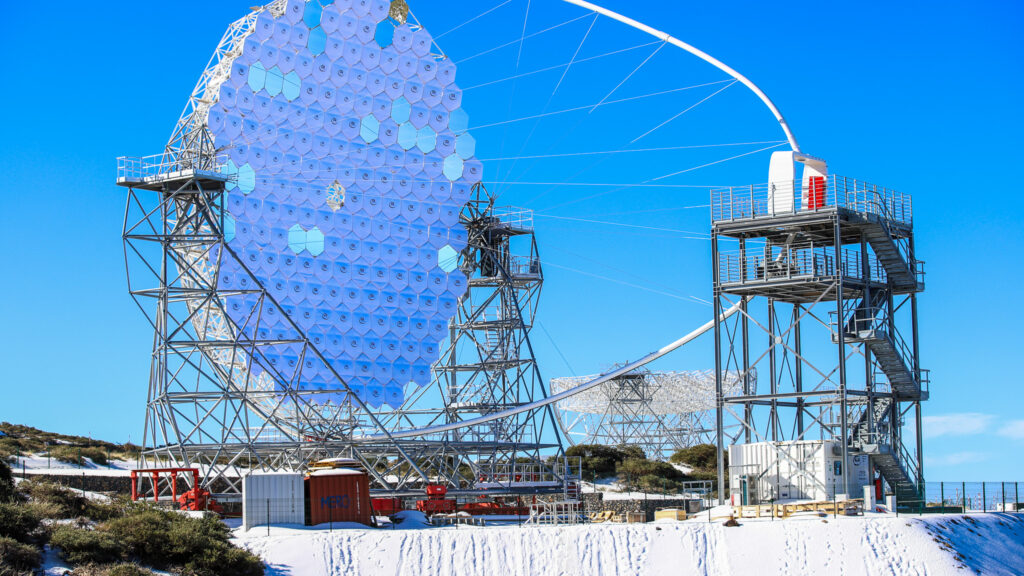
The TMT large telescope will not be coming to La Palma, but the Canary Islands government still plans to attract further astronomical facilities.

The Canary Islands are looking to attract space companies and investment. A pseudo-satellite is already being built on Fuerteventura.
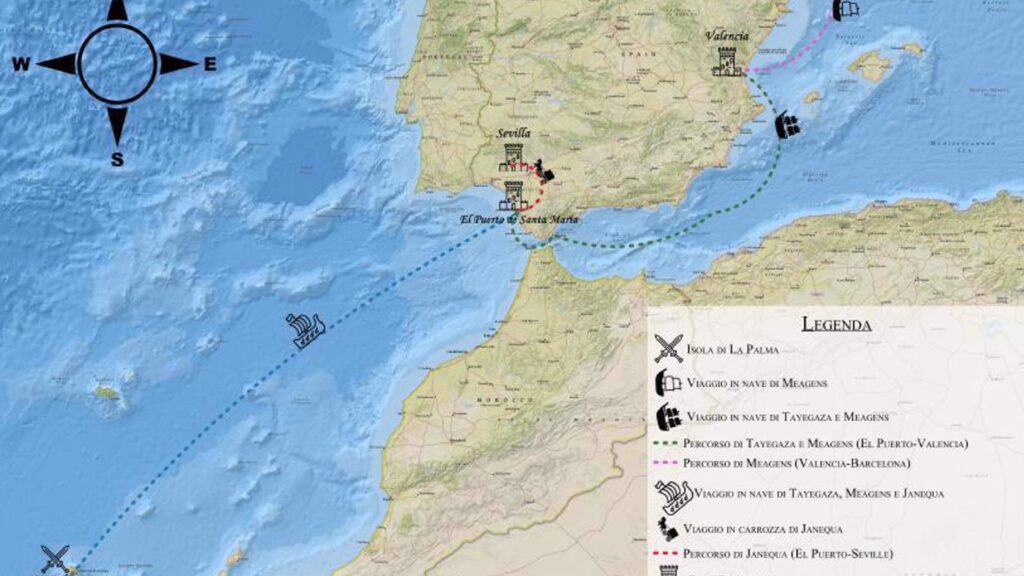
Valencia and Seville were centres of the trade in enslaved Canarians. A study gives their ages and differences in price.
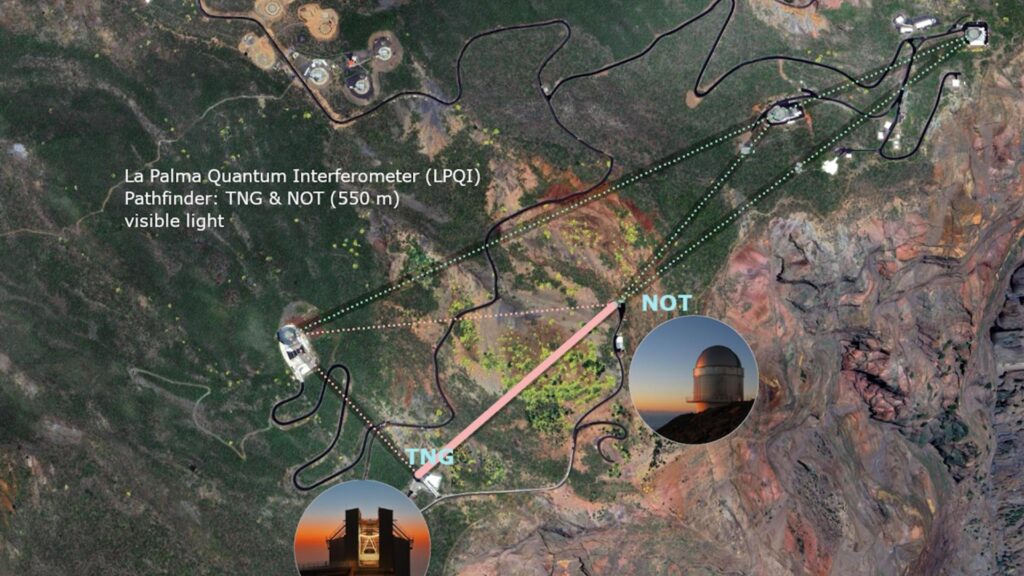
La Palma's telescopes are being linked via quantum technology. The IAC plans first results for 2028 and outlines potential targets.

The billion-euro bid for the giant telescope on La Palma has fallen through. Nevertheless, the Canary Islands are set to become a centre of science.
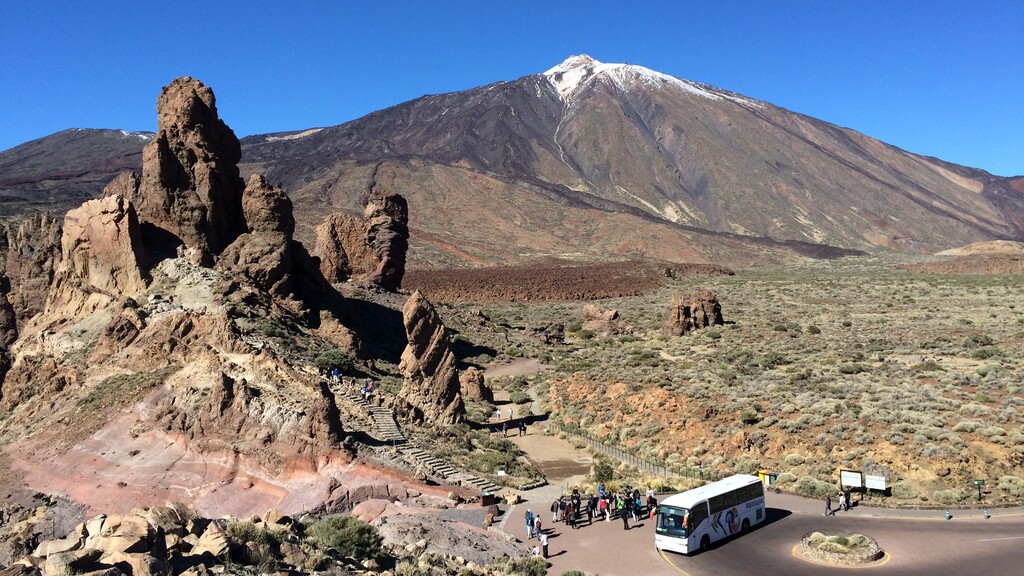
Magma is accumulating beneath Pico Viejo, a subsidiary volcano of Mount Teide on Tenerife. It is precisely there that the island has been experiencing increased seismic activity for the past ten years.

The solar eclipse over Europe can also be seen in the Canary Islands. We've put together a few tips and explain the phenomenon.

It stands on Tenerife, is a good 1,500 years old and is the oldest tree in Europe. Yet it is not the famous dragon tree in Icod de los Vinos.

The International Space Station is passing over the Canary Islands. The ISS will be clearly visible during this flyby. You can find out exactly when here.

Mount Teide on Tenerife is smaller than is stated almost everywhere. But where does this common misconception come from - one that even Google and Wikipedia have fallen for?
The Canary Islands are home to two major universities in Spain: the University of La Laguna (ULL) and the University of Las Palmas de Gran Canaria (ULPGC). Here you will find important news about the scientific research carried out there.