
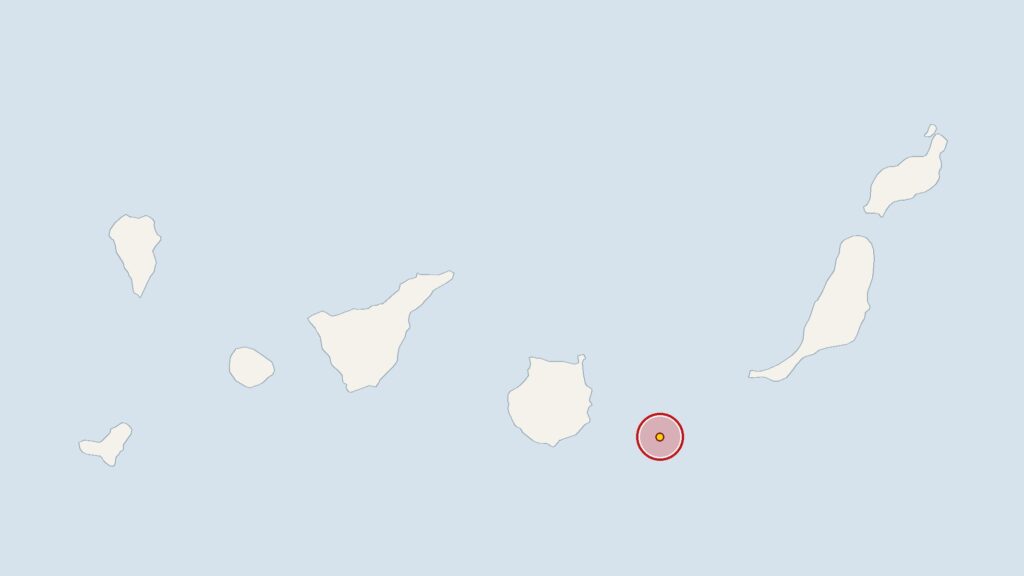
An earthquake off the coast of Gran Canaria reached a magnitude of 2.5. It was above the 30-day average, but the number of earthquakes remained within the usual range.

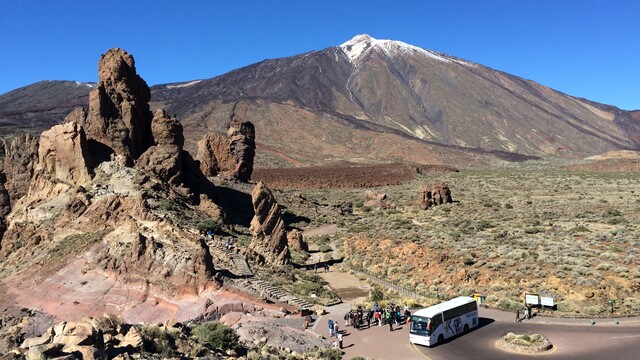
Volcanic eruptions are rare in the Canary Islands. Volcanic activity, on the other hand, is not. Find out everything you need to know about both topics here:
Everything you need to know about the volcanic eruption on La Palma
An earthquake off the coast of Gran Canaria reached a magnitude of 2.5. It was above the 30-day average, but the number of earthquakes remained within the usual range.
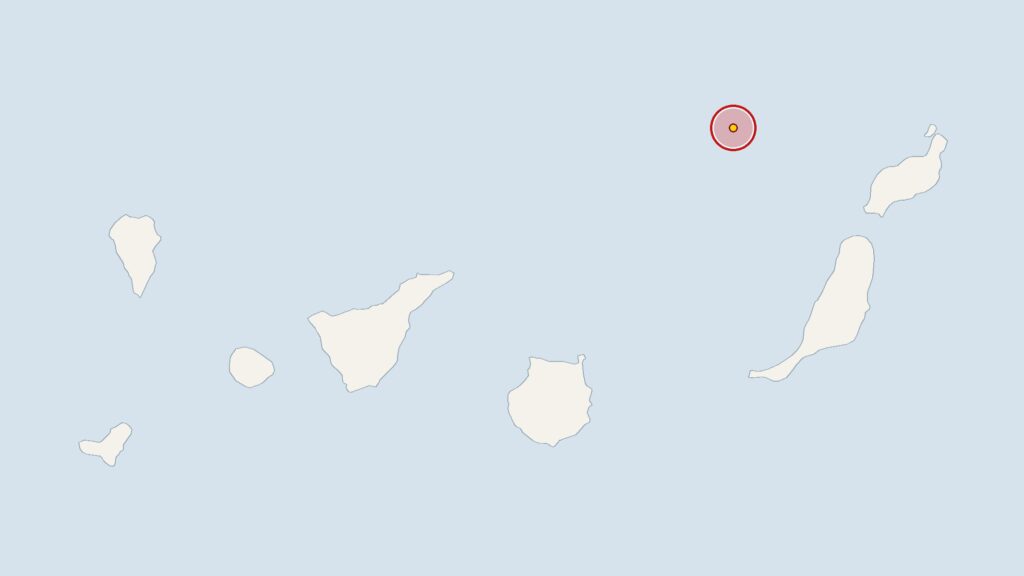
Earthquake off Lanzarote: Magnitude 2.4 was above average. Seismic activity in the Canary Islands remained within the usual range.
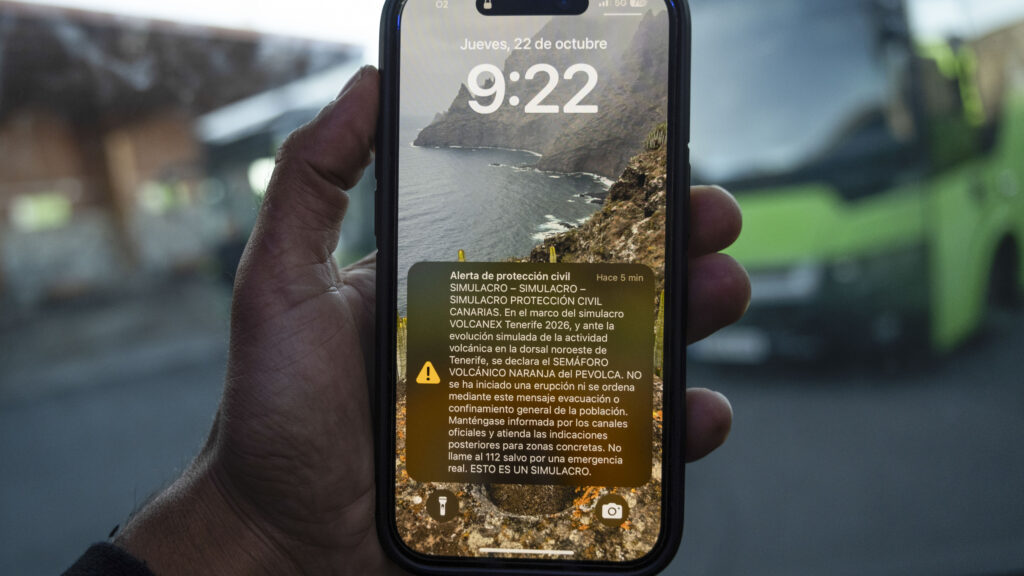
Tenerife has tested its response to a volcanic eruption, with around 300 residents and tourists evacuated during the exercise.
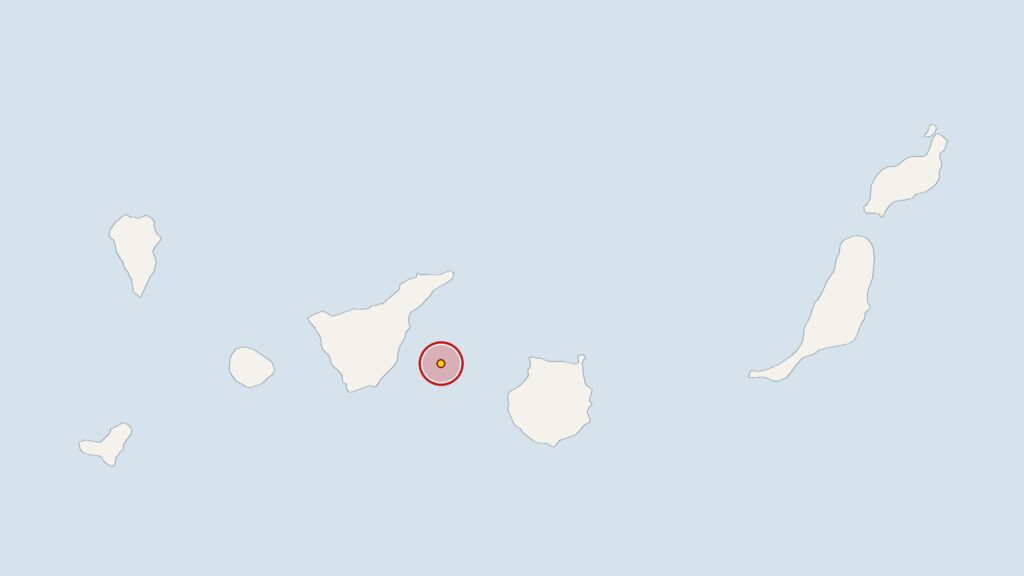
The earthquake off the coast of Tenerife was within the normal range. Seismic activity around Mount Teide, however, has recently increased.
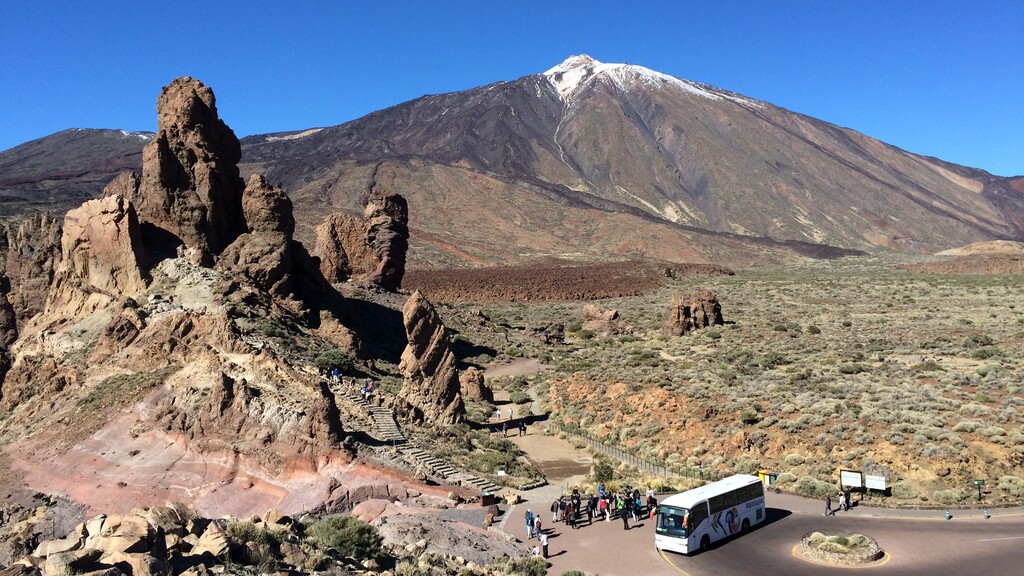
Magma is accumulating beneath Pico Viejo, a subsidiary volcano of Mount Teide on Tenerife. It is precisely there that the island has been experiencing increased seismic activity for the past ten years.
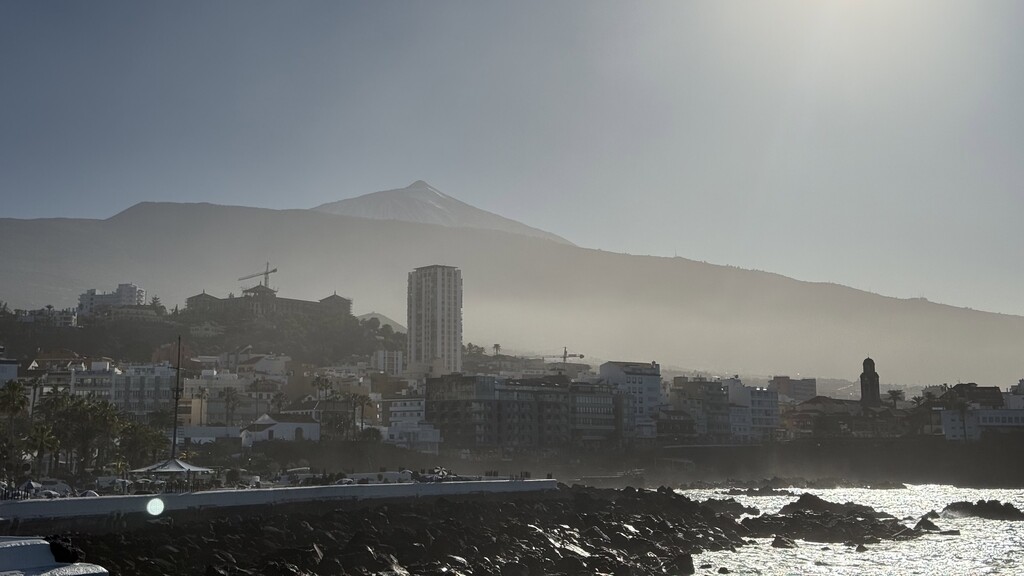
Mount Teide on Tenerife has caused thousands of earthquakes. It seems there's no need to be afraid. But it doesn't hurt to be vigilant!

Mount Teide on Tenerife is Spain's highest mountain, at 3,715 metres. In winter, the summit is covered in snow. A trip to the national park is well worth it.
It has been around 36 million years since the Canary Islands were formed. This took place in four phases – through volcanic activity. So what was necessary back then to create the islands can be frightening today. Because the islands are still active. Back then, it was submarine eruptions that first gave rise to Fuerteventura and Lanzarote – initially joined together, but now separated by a channel around ten kilometres wide. Later, Gran Canaria, Tenerife and La Gomera were formed. It took a long time still before La Palma and El Hierro finally emerged. They are ‚only‘ around 1.2 million years old.
The Canary Islands are still considered volcanically active. And, in addition to earthquakes, this leads to eruptions every few decades – sometimes underwater, sometimes on the Earth’s surface. On this page, you can find out everything about volcanic eruptions in the Canary Islands – and, of course, about other volcanic activity on and around the archipelago.