


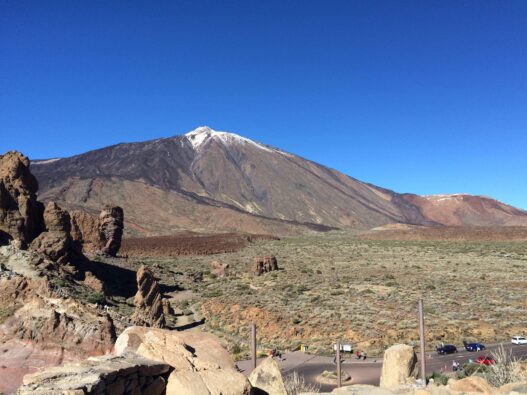
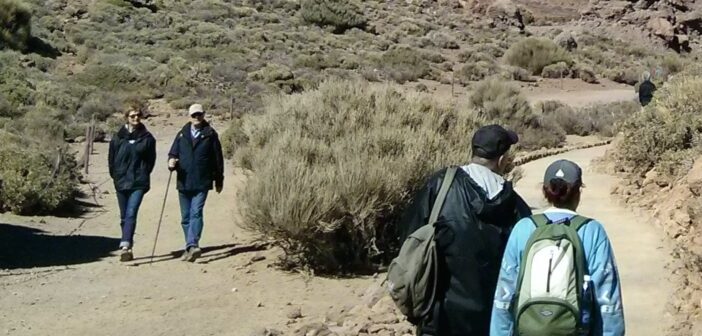
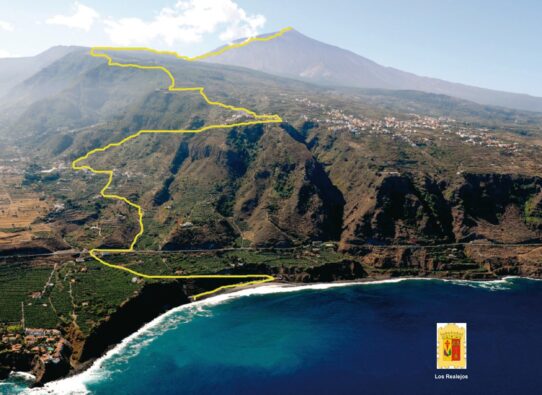
Tenerife’s «crown» stands at a proud 3,715 metres (not 3,718 metres – you can find all the information about this error here). The Mount Teide is Spain’s highest mountain – not even on the mainland is there a peak that comes close to it. In winter, the summit is covered in snow, and even in summer the air is cool and thin at an altitude of more than three kilometres. A huge national park with 36 hiking trails stretches out around the volcano.
On the way up, many visitors to Mount Teide find themselves breathless, not only because of the spectacular views from the cable car gondolas, but also because of the thin air. Inexperienced or untrained walkers quickly sound as though they’ve just completed a marathon, even during a normal stroll on the summit of Pico del Teide.
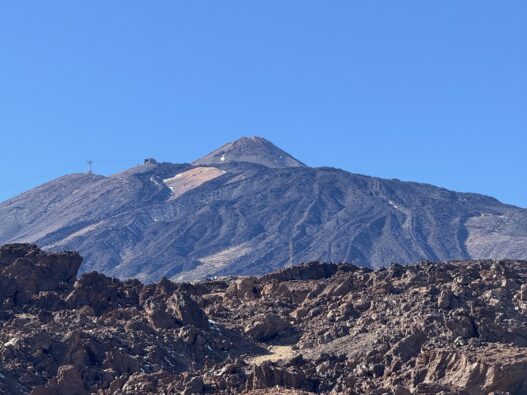
But the view is spectacular. Even on the drive up to the cable car, the road winds its way up the mountain; at some point, the trees become sparser and the clouds thicker, until you’re standing above them and can see them stretching out below you like a sea of cotton wool. The cable car, the Teleférico de Mount Teide, takes you even higher, up to 150 metres below the summit of this gigantic mountain. However, you’ll need to book in advance on the official website here.
Mount Teide has been dormant for a good 100 years
Mount Teide is a stratovolcano. It lies within a caldera, a crater 17 kilometres in diameter with walls 500 metres high. The volcano itself has not erupted for more than 100 years.
For the indigenous people of Tenerife, the Guanches, Mount Teide was a sacred mountain from which their supreme god, Achamán, freed the sun god Magec, before sealing the opening at the summit with a ’sugar loaf‘. Indeed, the usually snow-capped summit of Mount Teide – which was first climbed by Sir Edmund Scory in 1582 – resembles a sugar cone when viewed from below.
From Mount Teide, the cliffs of Los Gigantes stretch out into the Atlantic Ocean, amongst other sights. This is one of the many attractions on Tenerife, the largest of the Canary Islands, which has something to suit almost every interest: Those looking to get away from it all will find peace and quiet, sports enthusiasts can choose from a wide range of water sports, wind sports and fun sports, whilst couples can enjoy wellness centres and singles can experience a vibrant nightlife in the tourist hubs such as Los Cristianos or Playa de Las Americas.
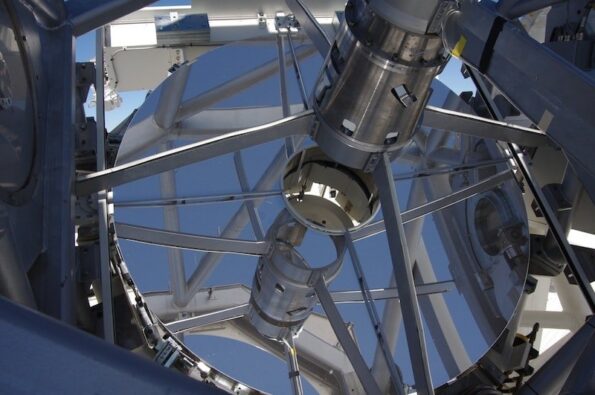
The superb views and crystal-clear air attract not only tourists but also scientists to Tenerife. Consequently, in the summer of 2012, Europe’s largest solar telescope was commissioned on Mount Teide.
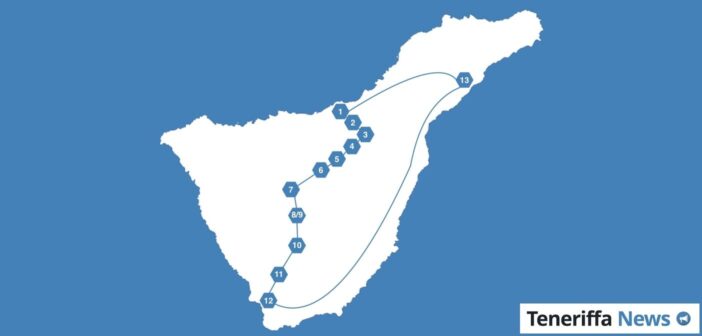
You can find a detailed Teide tour here.

«Mount Teide - Tenerife's sacred mountain»
No comments on this article yet.