Photo tour through the Teide National Park and the Cañadas
Images from the drive up show viewpoints over Puerto de la Cruz, the free visitor centre, lava fields of different ages and the cable car to 3,555 metres. Booking cable car tickets online avoids queues of several hundred people.
Johannes Bornewasser is an author, journalist and editor-in-chief of Teneriffa News. He is regarded as a recognised expert on the Canary Islands. Bornewasser is also responsible for the editorial content of the website.
6 min read
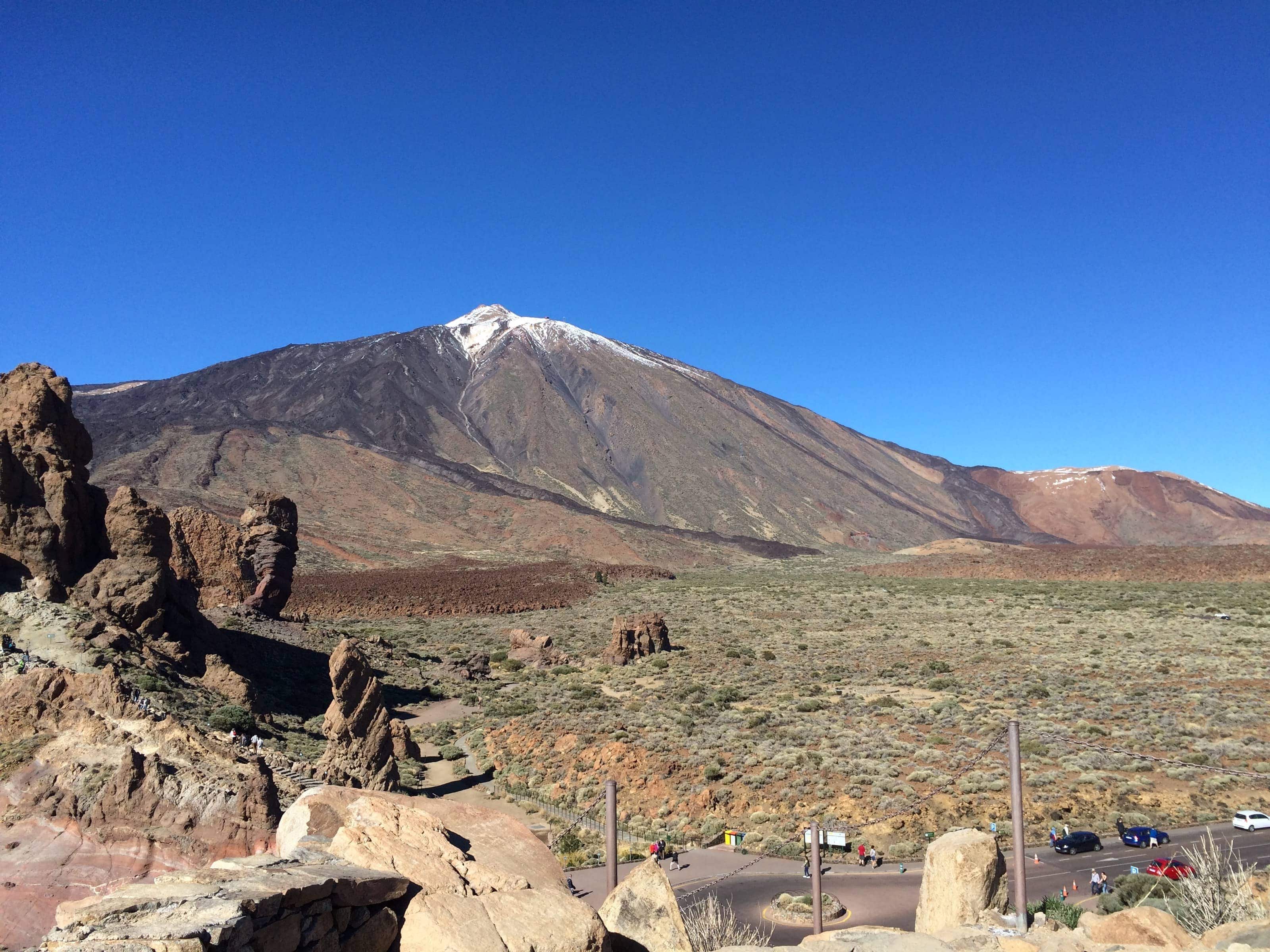
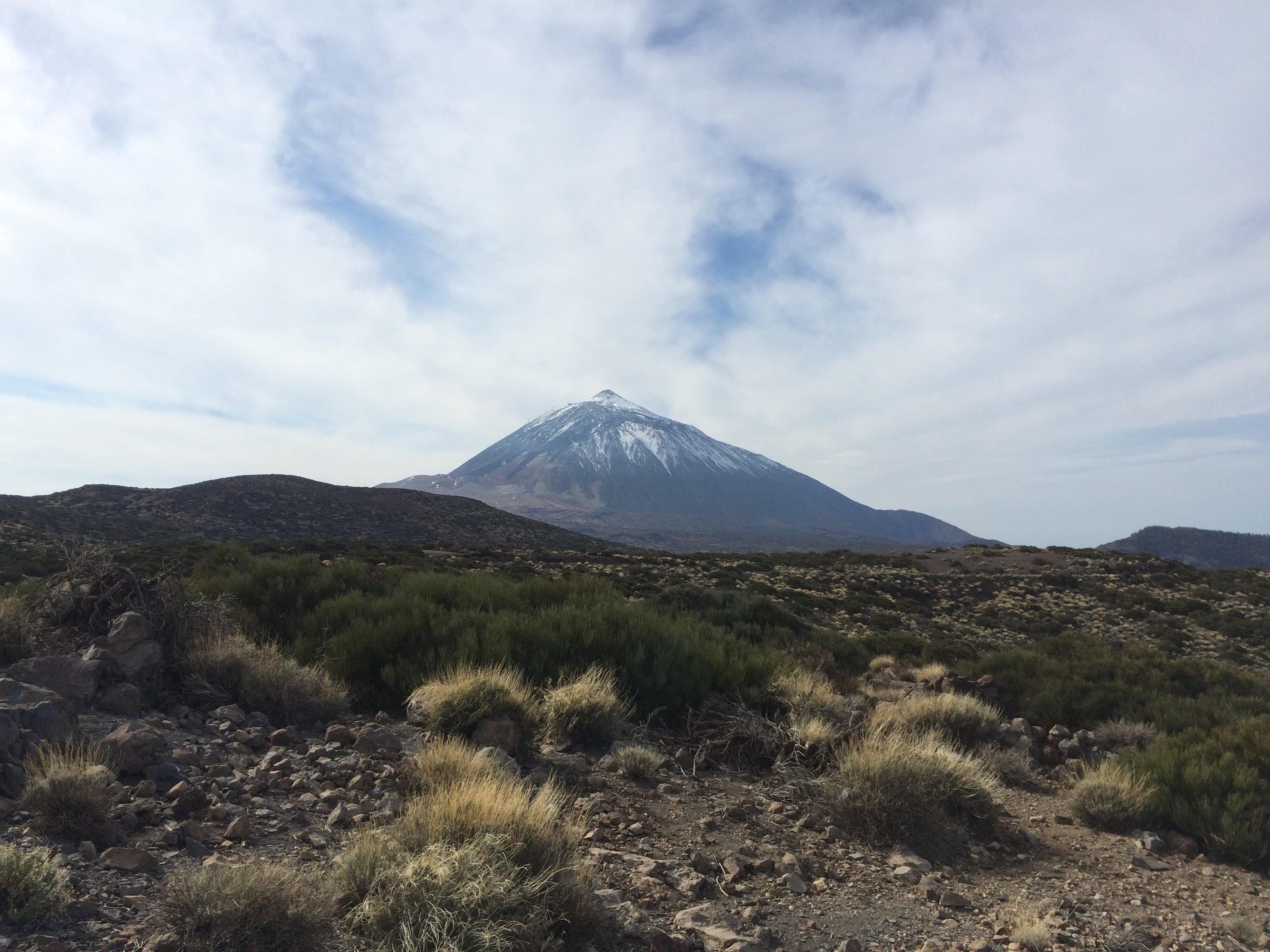
Photo: Johannes BornewasserA view of Mount Teide, Spain's highest mountain, on Tenerife.
Photo: Johannes BornewasserA view of Mount Teide on Tenerife. We hope you enjoy our photographic tour of Mount Teide National Park.
Click the «NEXT >» button to move on to the next picture…
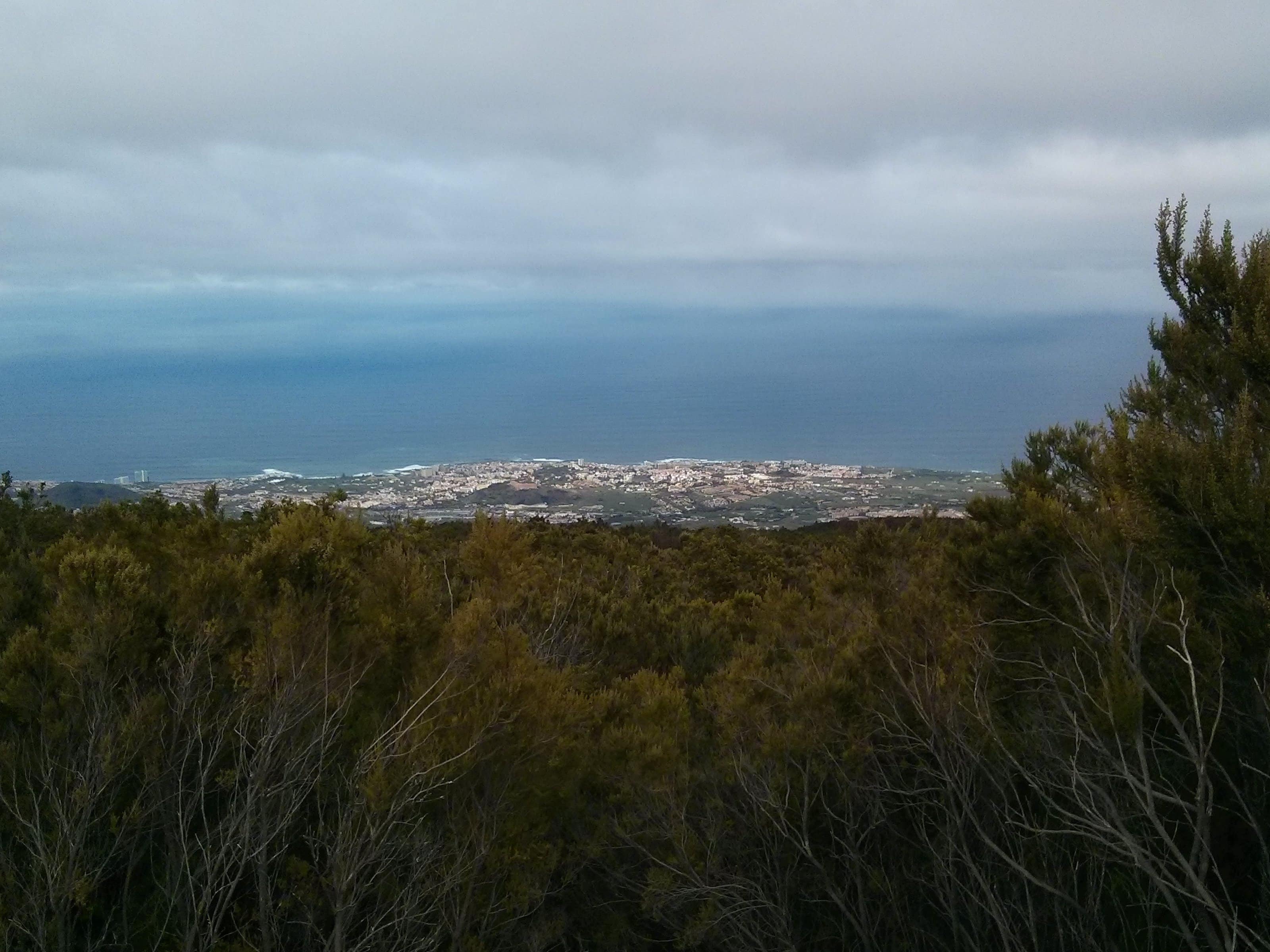
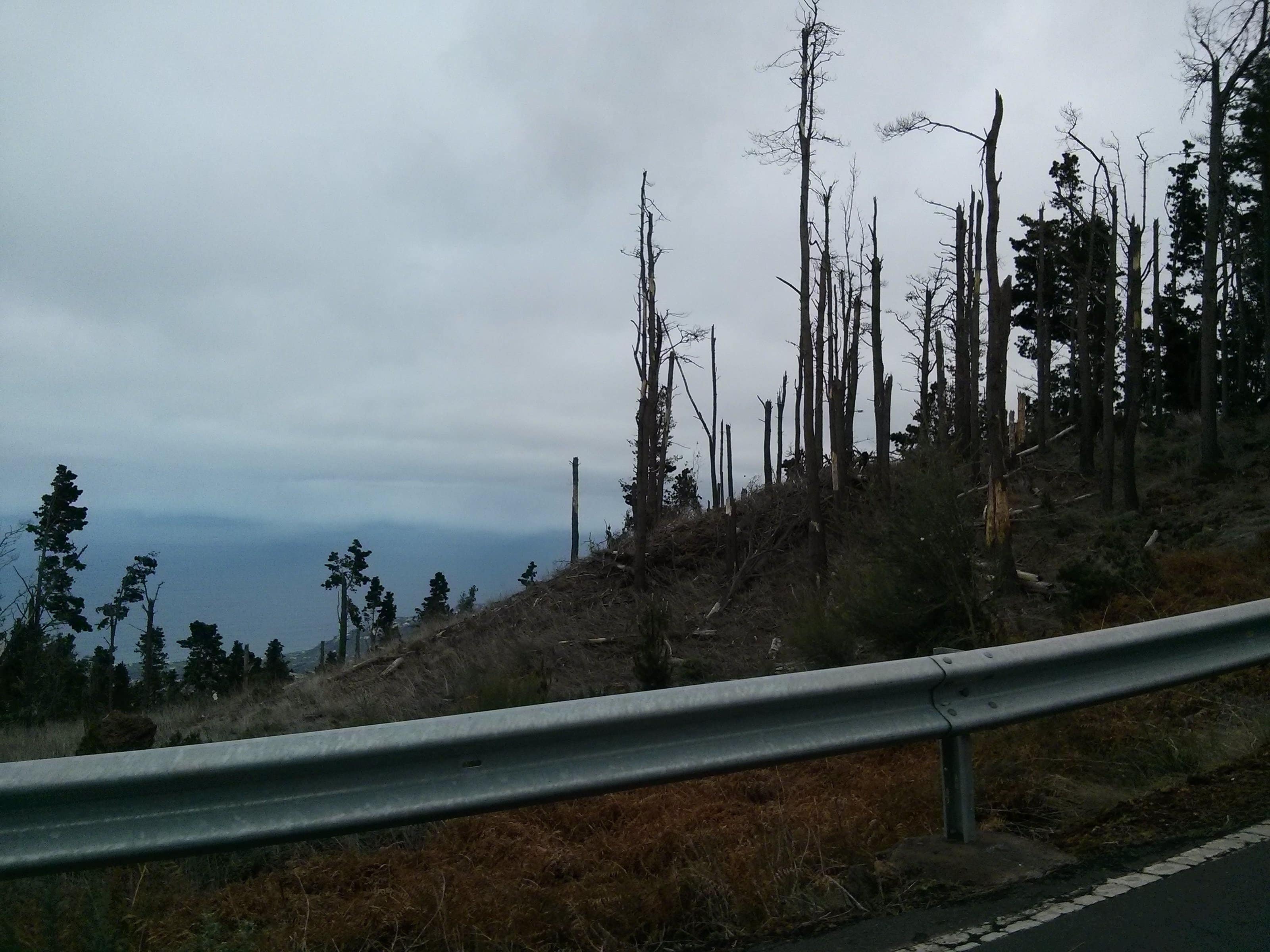
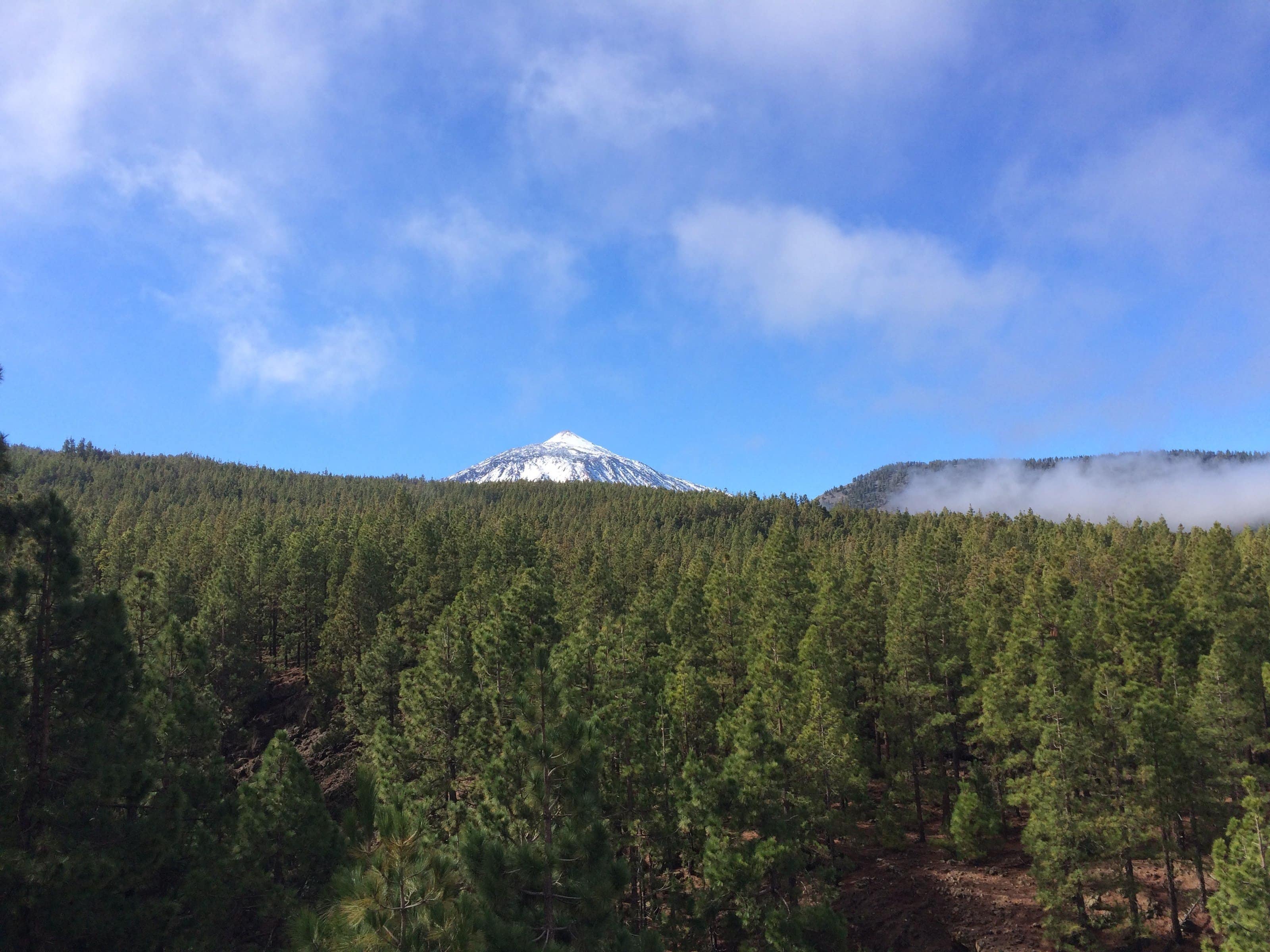
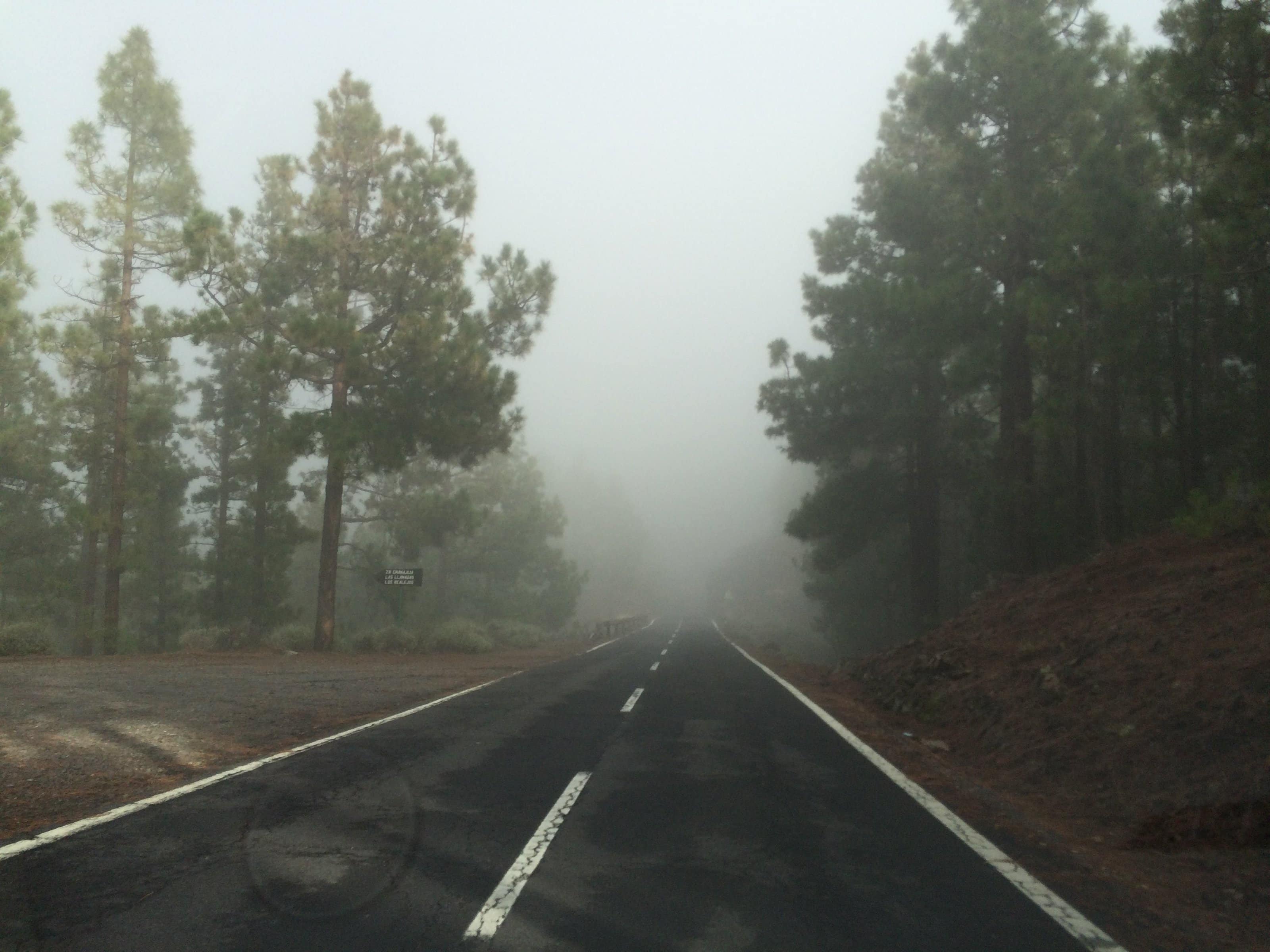
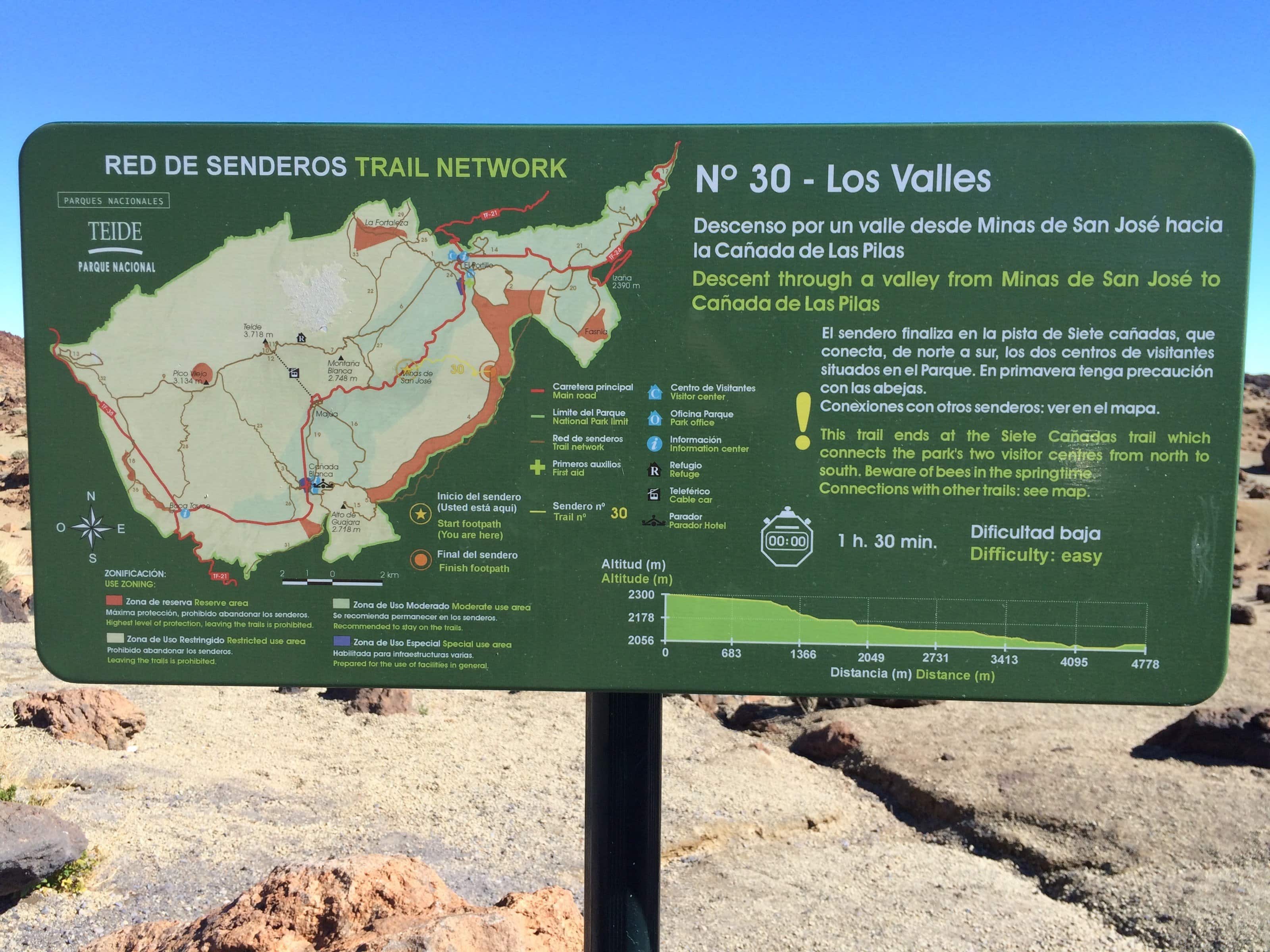
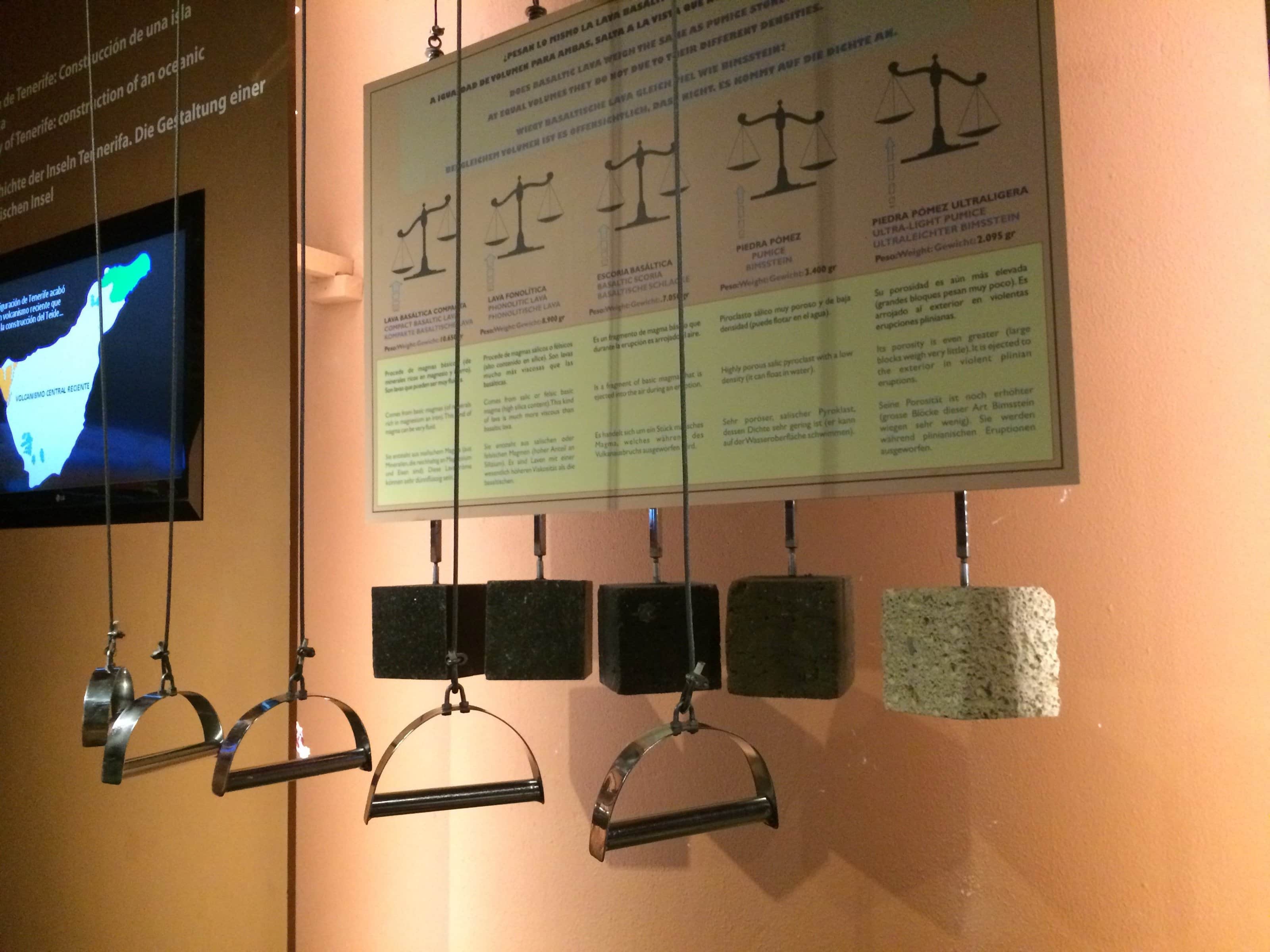
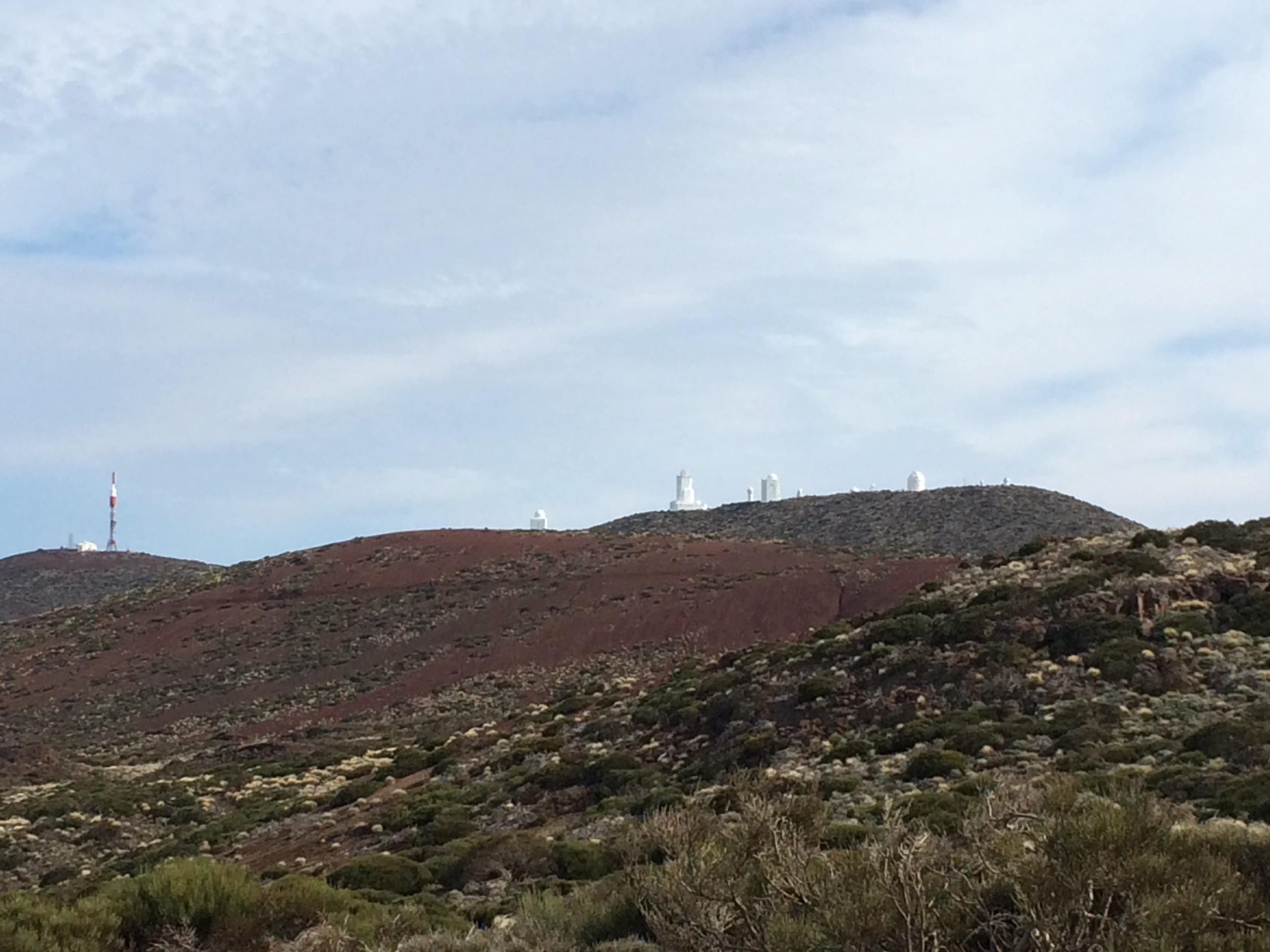
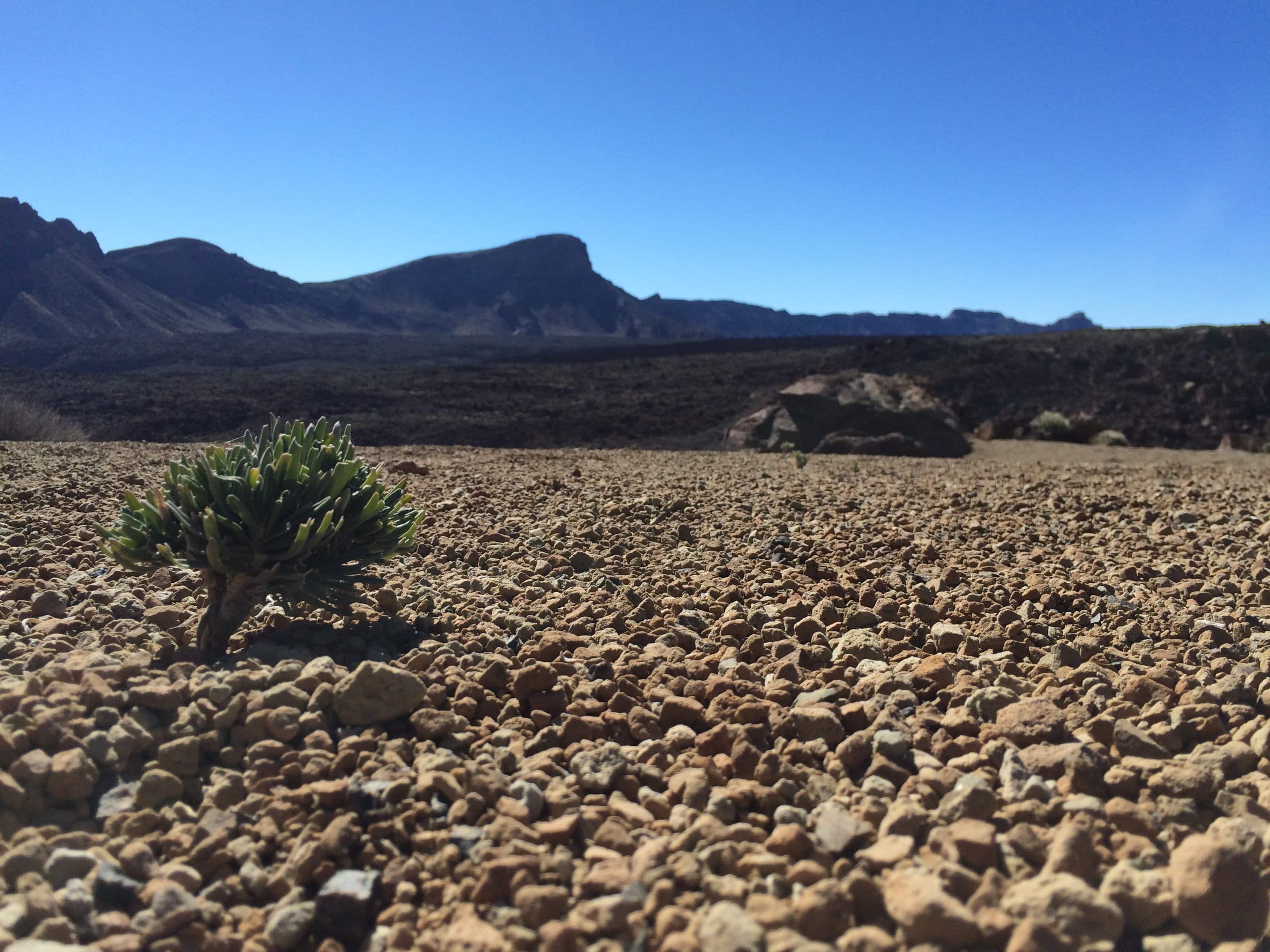
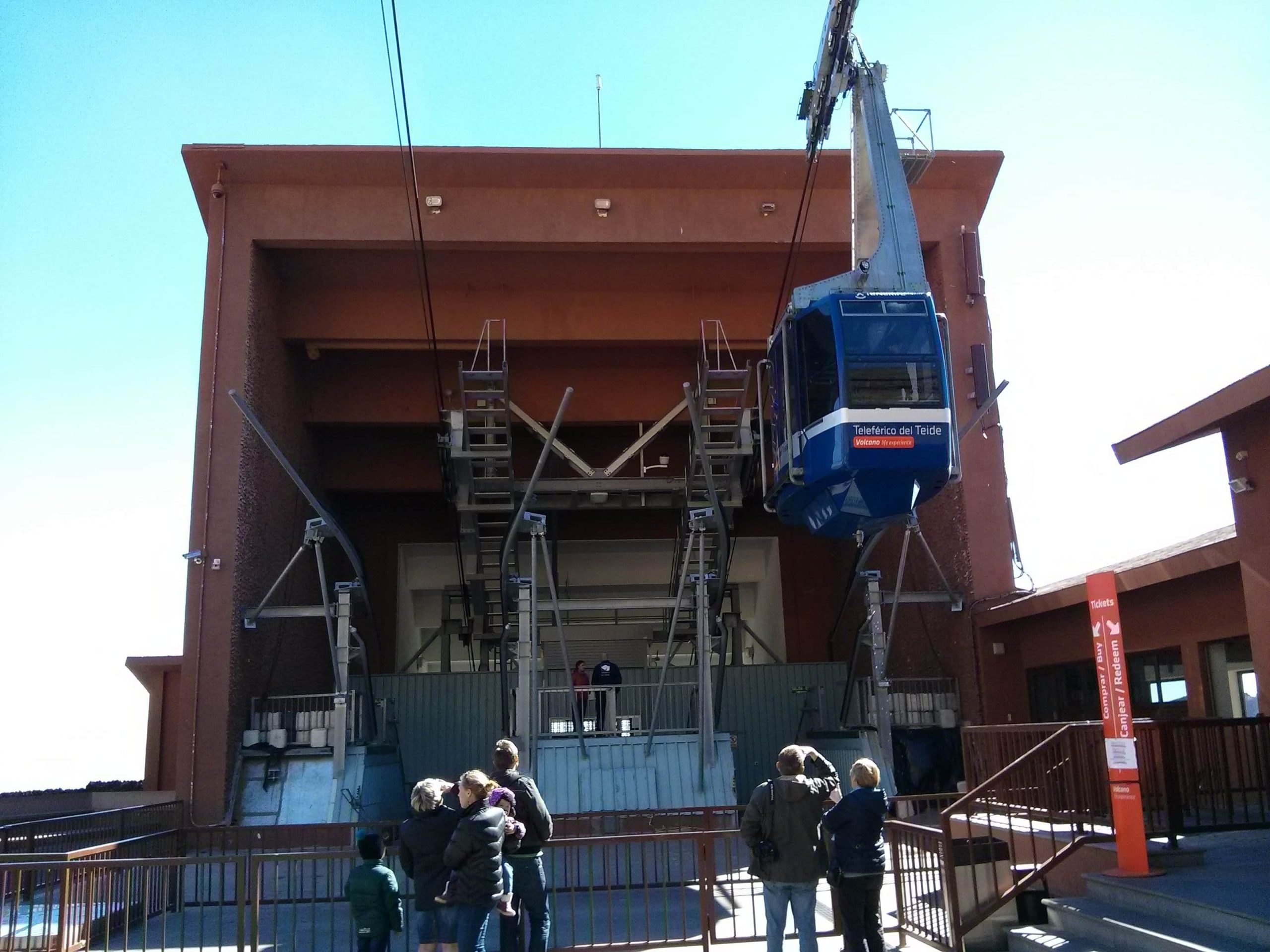
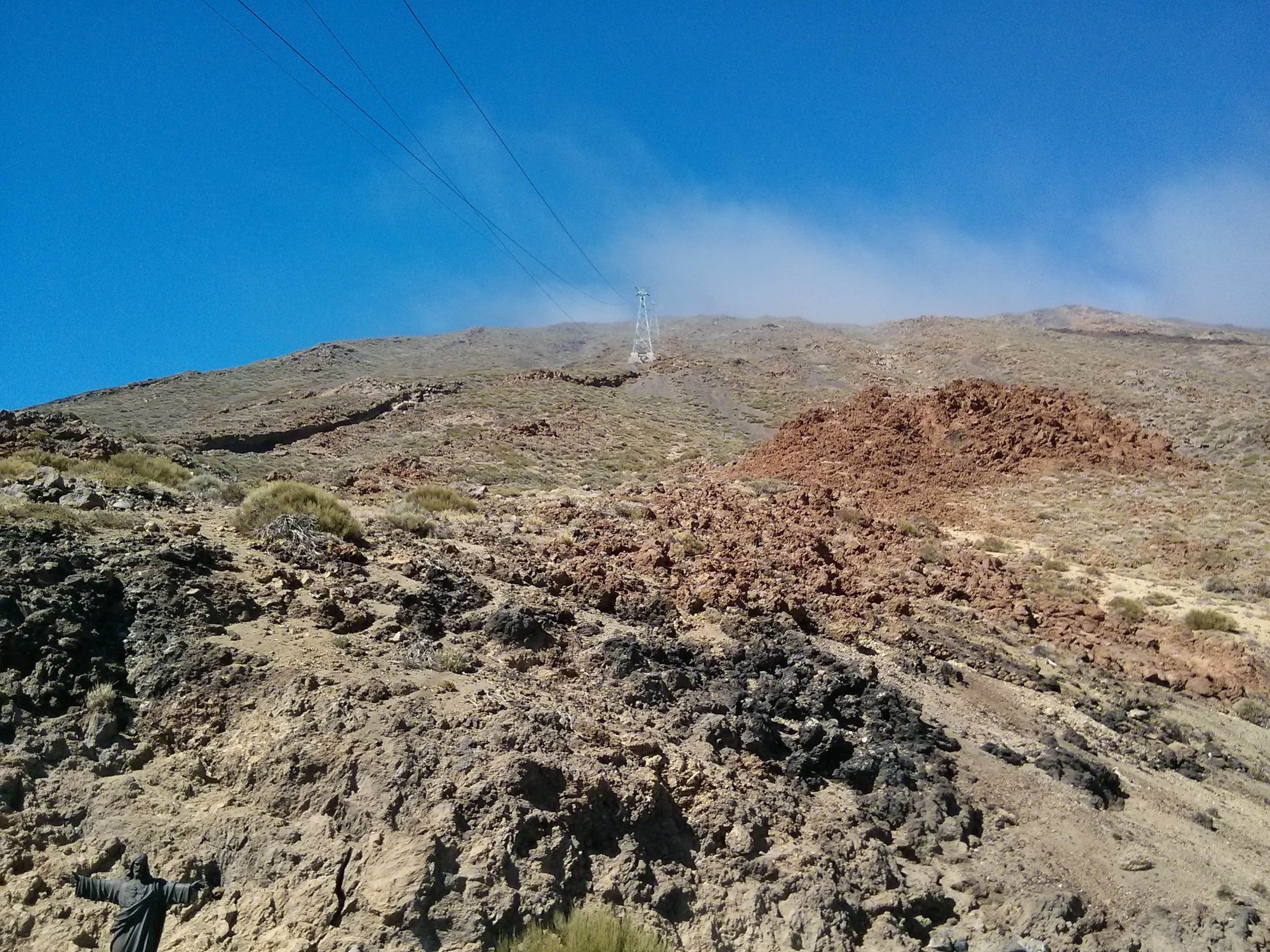
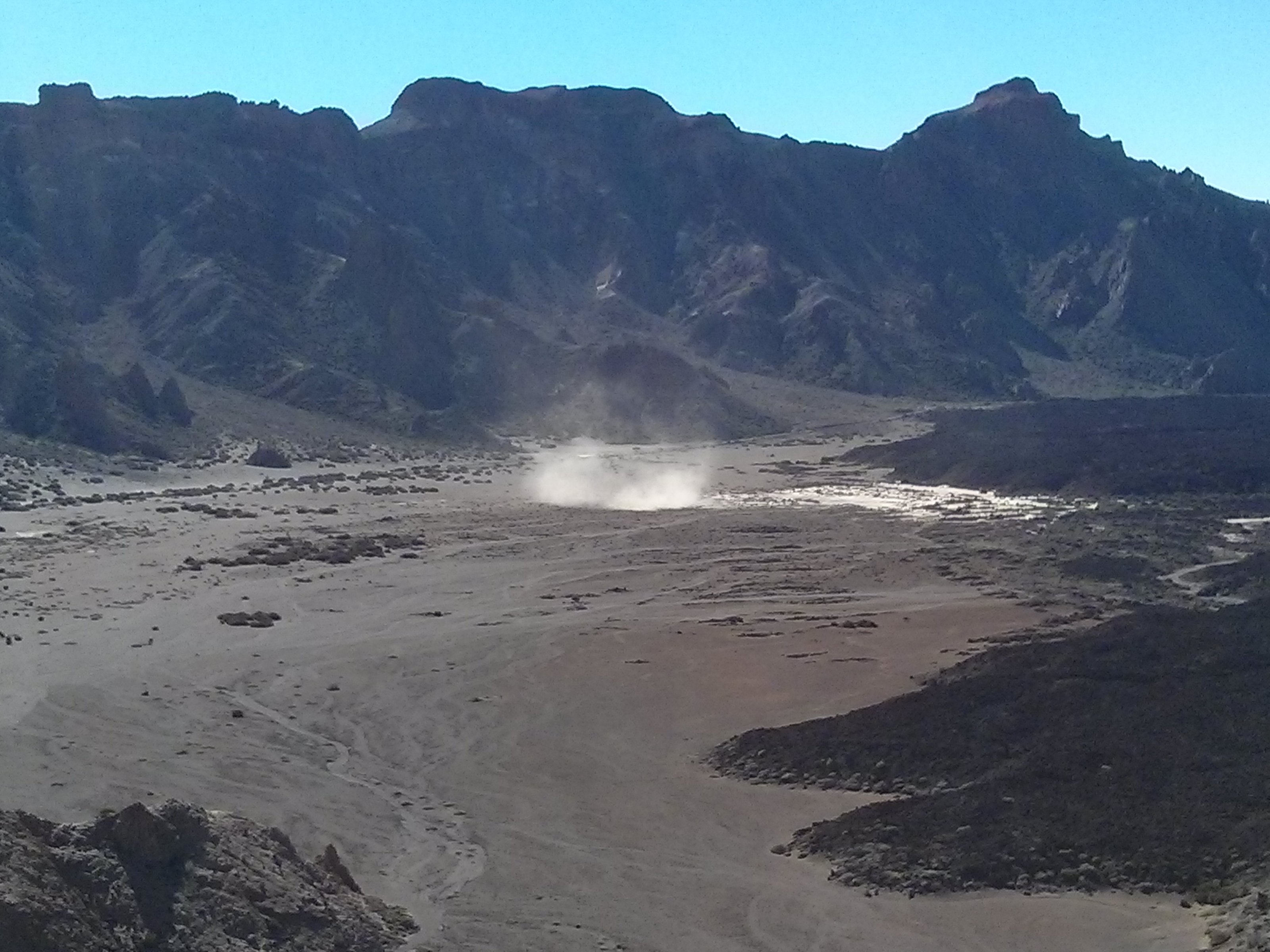
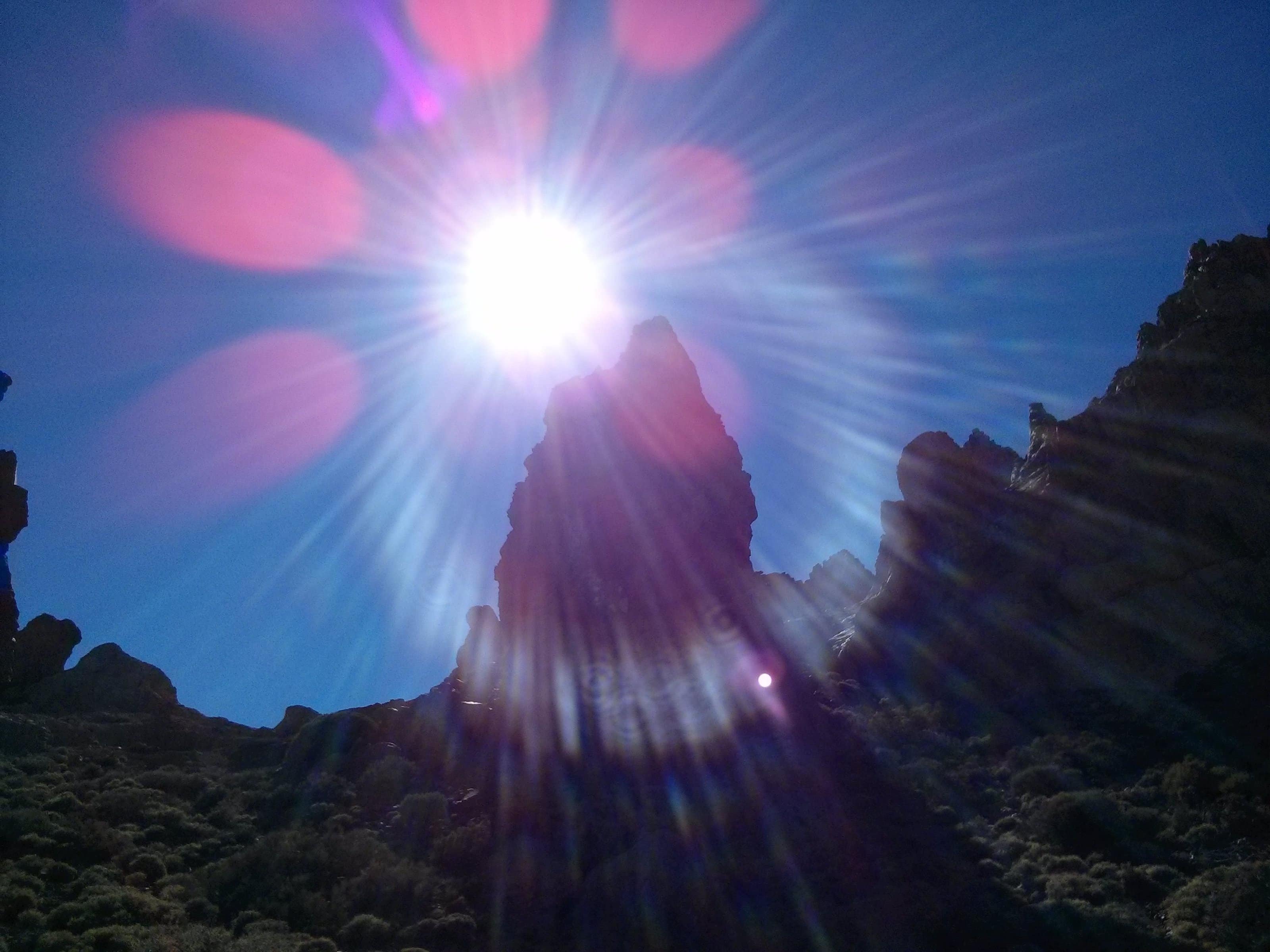
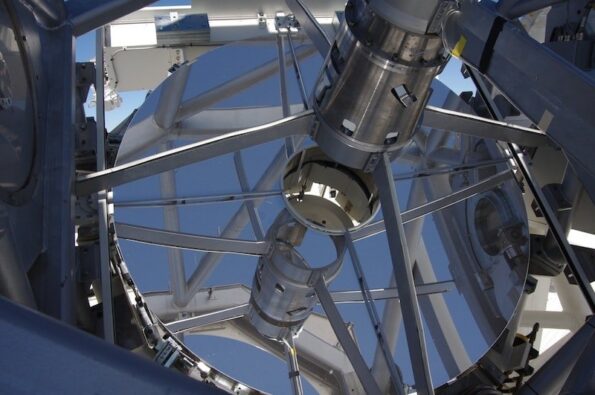
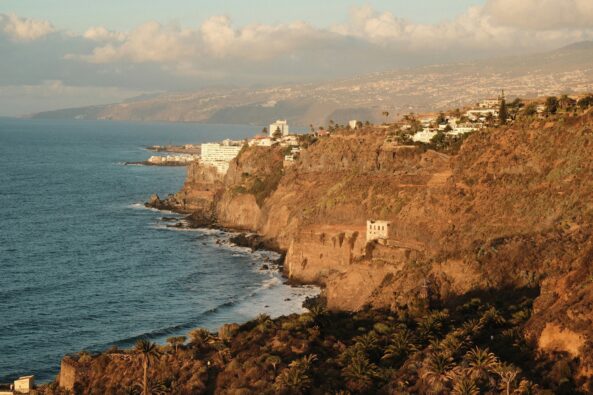
On the way to Mount Teide, there are plenty of viewing platforms where visitors can stop and take photos. Depending on the weather, you can see coastal towns such as Puerto de la Cruz, pictured here, or even the neighbouring islands.A glance at this forest – or what remains of it after an autumn storm – shows just what forces of nature can reign high up in the mountains. You should be well prepared for the cold and strong winds.But it’s also worth looking up – especially when Mount Teide is covered in snow in winter!Photo: Johannes BornewasserThe route to Mount Teide passes through various climate zones. Breaking through the clouds is a particularly memorable experience. However, due to occasional poor visibility and slippery conditions caused by damp, caution is advisedAfter about an hour’s drive, you’ll reach the edge of Mount Teide National Park. This vast area can be explored in various ways. The Cañadas are particularly popular with walkers. Just a few metres off the roads, there is usually complete silence.If you drive up Mount Teide from the north, you’ll first pass the new visitor centre. It’s well worth taking a look inside. There, you’ll find a detailed presentation of the surrounding area, including its flora and fauna. Incidentally, parking and admission are free.The Mount Teide Visitor Centre is designed as a sort of interactive museum. It explains, for example, the different types of rock. The layout is designed to amaze visitors of all ages alike.The wildlife is also examined in great detail. For what one would hardly suspect at first glance in this seemingly inhospitable environment is that Mount Teide National Park is home to dozens of animal species, some of which are found exclusively in this unique place.Photo: Johannes BornewasserBack at the visitor centre car park, the path splits. Anyone not heading towards the summit will inevitably find themselves approaching the observatory. However, as it is situated within a restricted military zone, it can only be seen from a distance.From the viewing platforms along this road, there’s a wonderful view towards the coast. As you look back at Puerto de la Cruz, you’ll realise just how high up you’ve driven. But you’re probably up here for another reason: after all, you’re heading towards Mount Teide…Right, back on the path towards the summit. The road now winds its way through the Cañadas for a few kilometres. Here, too, it’s well worth stopping at the car parks and walking a few metres through the lava desert. In this photo, you can see the different types of lava originating from various volcanic eruptions. So a single step can take you onto ground that is thousands of years older or younger.Photo: Johannes BornewasserThe terrain gives a clue as to why NASA had some of its Mars robots tested here on Tenerife.If you look closely, you can already spot snow at this altitude. Even though it’s 25 degrees Celsius or warmer on the coast, it can snow at night in Mount Teide National Park.Photo: Johannes BornewasserA few kilometres further on is the Mount Teide Cable Car. Visitors can take one of the two cable cars for the final stretch to reach the vicinity of the summit. The road ends at an altitude of 2,356 metres.Photo: Johannes BornewasserThe mountain station is situated at an altitude of 3,555 metres. However, if you want to go all the way to the top, you’ll need a permit for the final 163 metres of ascent. But even without one, there’s plenty to see up there. For example, there are three hiking routes. We won’t reveal any more about them here, though – instead, we’ll continue our photo tour…But first, a quick tip: if you want to use the cable car, you should buy your tickets online in advance. The queues are often huge, whereas visitors with online tickets can walk straight through to the gondola. And as the gondolas are designed to carry 44 people, but the queues usually consist of several hundred visitors, it can really be worth it!Photo: Johannes BornewasserInstead of heading uphill, however, we carry on through Mount Teide National Park. A few kilometres further on, the track gradually leads back down towards the valley. The view here reveals the next rocky wasteland – and the conditions up here. Sudden whirlwinds are quite common in the Cañadas.Incidentally, there’s also somewhere to stay and rest up here. Anyone who simply needs a break can enjoy a leisurely coffee whilst basking in the high-altitude sunshine. Other visitors make the most of the surroundings and the car park to go for a walk. We’d like to take this opportunity to remind you to wear sun protection and a hat. Both are essential up here.Photo: Johannes BornewasserAfter a long day out, the sun is gradually setting over the Cañadas. For us, this means, very gradually, saying goodbye and planning our return journey. The way down can, after all, lead either south or north…Photo: Johannes BornewasserIf you carry on southwards, you can admire Mount Teide once more from the other side. Due to the southern sun, there is usually much less snow here in winter.Anyone taking the same route back, however, will now perceive the surroundings quite differently from how they did that morning. As evening approaches, particularly in winter, clouds often rise from the coast and move very slowly across the mountain ridge. By then, at the very latest, it’s time to head home!












«Photo tour through the Teide National Park and the Cañadas • Image 1 of 1»
No comments on this article yet.