

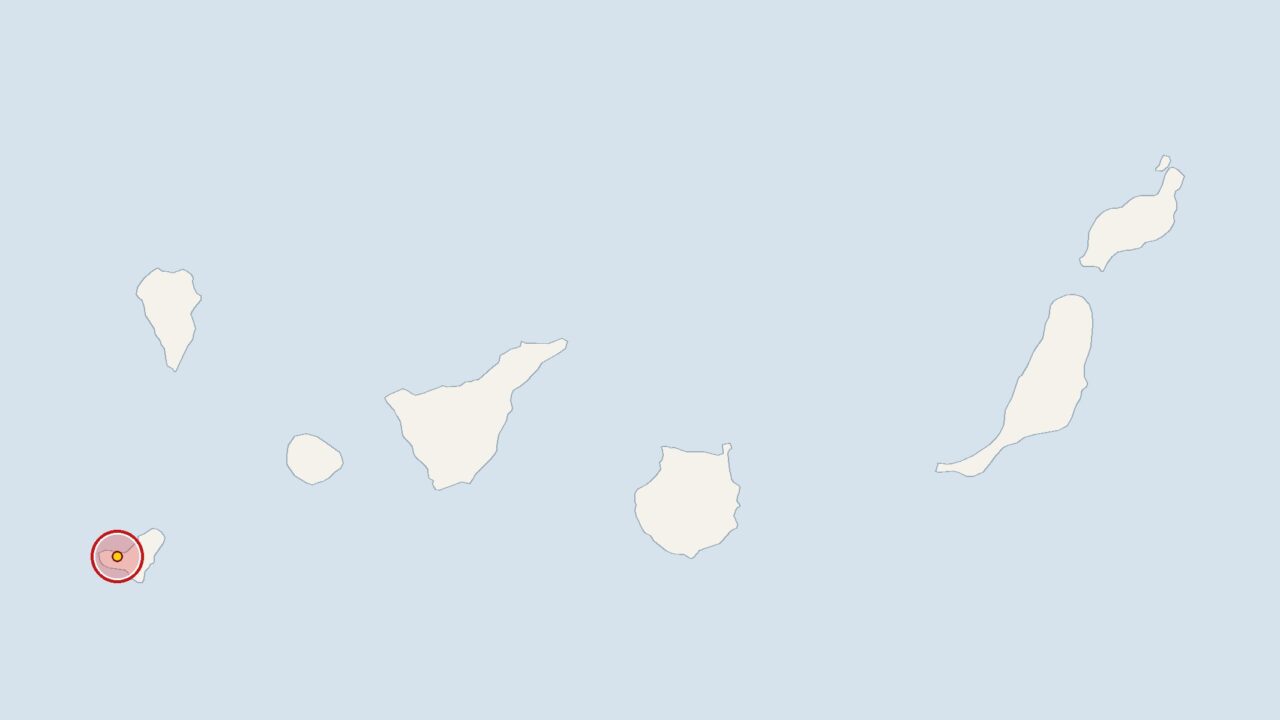
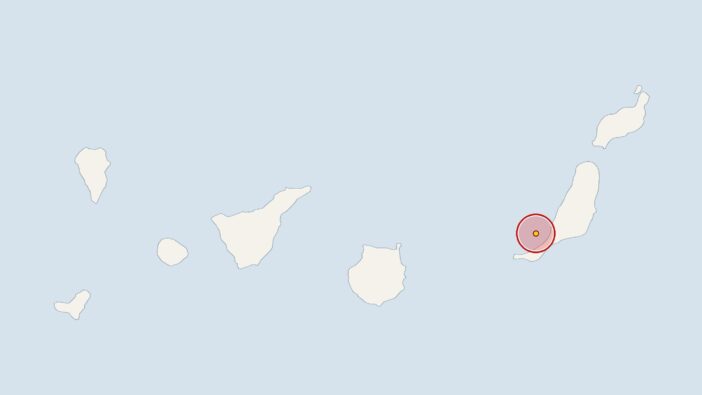
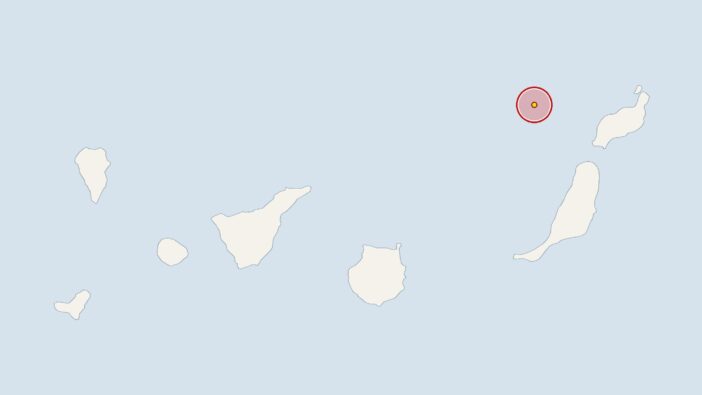
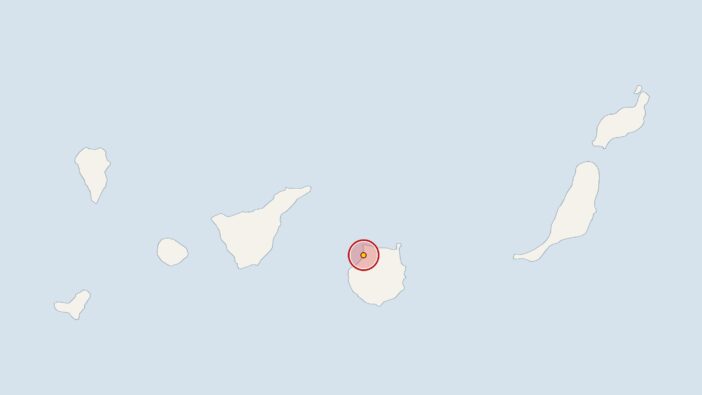
On Friday at 6.38 am, the earth trembled near El Hierro with a magnitude of 2. The epicentre was 28 kilometres deep.
The tremor was recorded by the Spanish National Geographic Institute (IGN). Its measurement data is analysed by the Euro-Mediterranean Seismological Centre.
In the Canary Islands, the IGN has recorded a total of 50 earthquakes over the past 30 days, which equates to an average of 1.7 tremors per day. Twelve of these were recorded in the last seven days. According to the institute, this is within the normal range, with an average magnitude of 1.9.
Canary Islands earthquake: Experts are continuously monitoring seismic activity
As the Canary Islands are of volcanic origin, mild seismic activity there is considered a normal part of geological processes. Experts from the IGN and the Canary Islands Volcanological Institute INVOLCAN continuously monitor the readings. Although swarms of earthquakes are closely tracked by seismologists and geologists, they do not automatically regard them as a sign of increased danger.
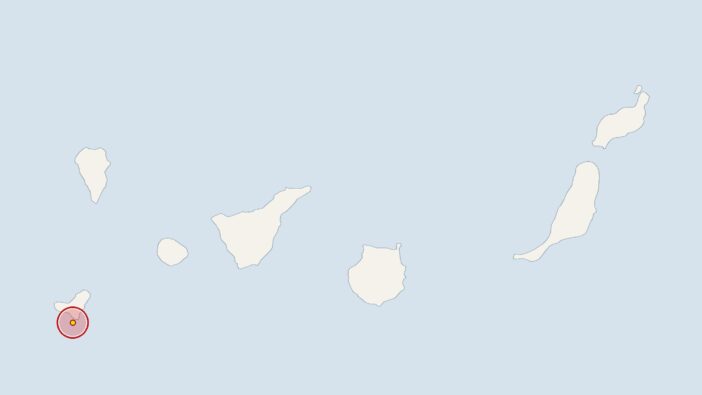
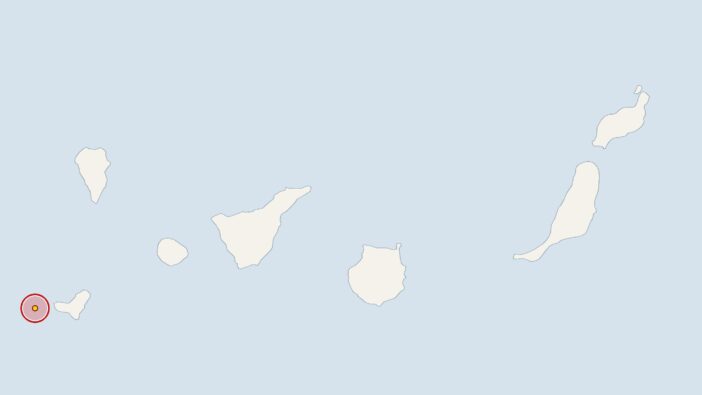
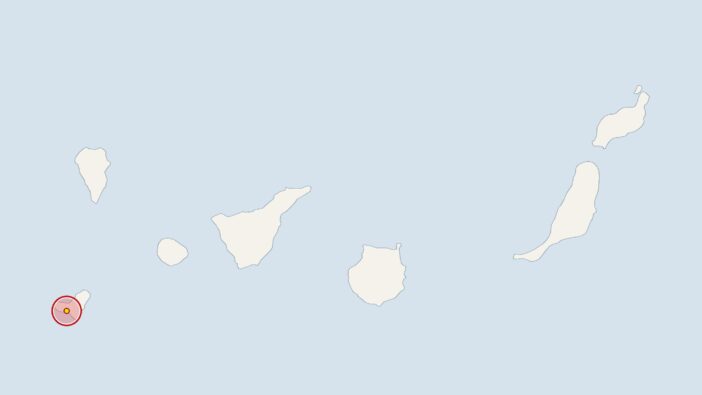
Back in late August, the IGN had already recorded a 2.5-magnitude earthquake near El Hierro. This event is therefore part of a series of earthquakes near El Hierro with deep hypocentres.
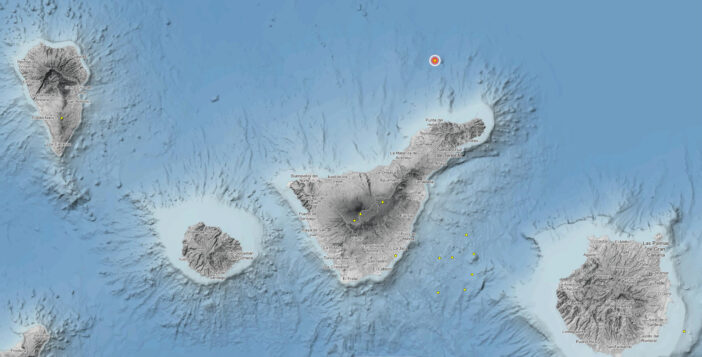
Most recently, seismic activity has also increased in the area around Mount Teide. As the report on seismic activity at Mount Teide shows, the Tenerife Island Council is therefore organising emergency drills to prepare for a volcanic eruption scenario. Researchers have also identified a large magma chamber beneath Pico Viejo, a subsidiary volcano of Mount Teide.

Comments (0)
No comments on this article yet.