

Von Jochen
The use of treated wastewater in agriculture is a good way of promoting plant growth in arid regions. It is important to bear in mind, however, that many germs and parasites – despite several treatment stages at sewage treatment works – may remain fully active in the wastewater.
Unfortunately, this includes not only multi-resistant intestinal bacteria, but also viruses and parasites such as worm eggs. The use of treated sewage water therefore carries certain risks.
These include, amongst others, giardiasis (Giardia lamblia). Giardiasis is a notifiable disease in Germany caused by the ingestion of parasites which attach themselves to the intestinal wall using hook-shaped projections and produce numerous cysts over a period of months, which are then excreted in the stools.
Canary Islands sewage: No symptoms, contagious for a long time
Giardiasis is generally a harmless condition. Many people do not develop any symptoms at all. However, people with this infection remain infectious for a long time and must therefore observe special hygiene measures to avoid infecting others. Infected pets (dogs, cats) are also infectious.
Depending on the number of protozoa ingested, the infection causes a mild feeling of pressure in the upper abdomen and nausea. The condition is often mild and self-limiting, but can also take a severe, chronic course: explosive bouts of yellowish, frothy, foul-smelling diarrhoea may occur, sometimes accompanied by mucus, flatulence and abdominal cramps. Severe infections can also lead to weight loss over a period of weeks.
According to the Robert Koch Institute, giardiasis is the fourth most common disease that travellers bring home from other countries. The risk of such an infection is highest in India, whilst Spain is the country with the second highest number of cases among German holidaymakers (RKI Epidemiological Bulletin 48, 2025). Treatment involves specialised medicines such as metronidazole, which target parasites.
Giardia cysts are not destroyed by sewage treatment plants and can survive for long periods in the natural environment. The pathogens are not killed by chlorine either. If these larvae come into contact with vegetables, berries or salad, eating these foods can lead to an intestinal infection.
Wash fruit and vegetables in the Canary Islands
From a medical point of view, it is therefore advisable to avoid eating salad, berries, unpeeled fruit or uncooked vegetables in countries with a warm climate, particularly where treated sewage is used in agriculture. The old backpacker’s rule applies: ‚Cook it, boil it, grill it, peel it – or forget it.‘
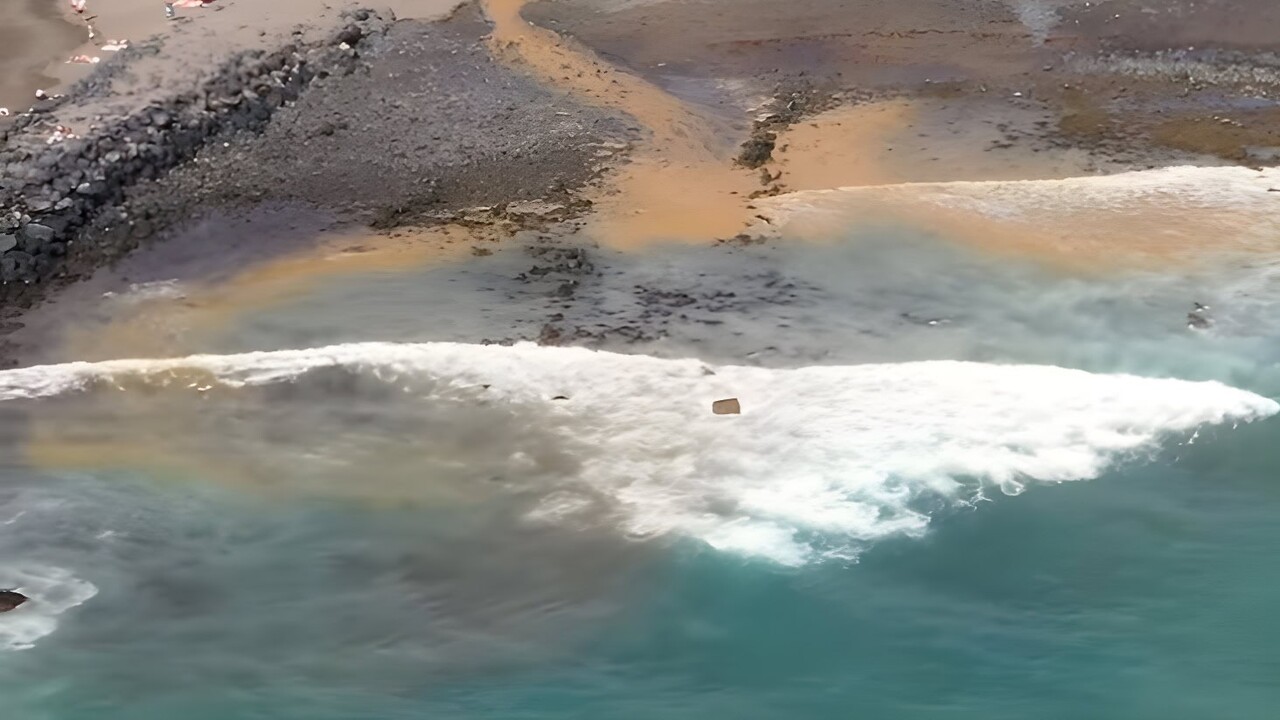
Furthermore, on Tenerife in particular, a great deal of untreated sewage flows into the sea; from a hygiene perspective, it makes no difference whether the sewage pipes are official or unauthorised. Although samples are occasionally taken at official beaches to test for Escherichia coli, most other pathogenic intestinal bacteria, viruses or worm eggs are not tested for.
In any case, you should never go into the water at beaches that have been closed due to high levels of bacteria, as harmful bacteria can enter the body not only through the digestive tract if swallowed, but also through any wounds. Infections can also be caused via the ears, eyes or lungs.



No comments on this article yet.