


There are certain behaviours that seem like little windows into a parallel world. Just the other day, for example, a user posted on the Tenerife forum. First post, no further introduction, straight to the point: «Hello, my wife and I are coming again…». The fact that they’re travelling with a dog is only clear from the headline. The one-liner ends with the question: «Who could give us a lift from the airport to Puerto?»
Not even a mention of whether it was Tenerife North or Tenerife South. The expectation was clear: someone would surely turn up to give two complete strangers a lift for free. After all, you’re ‚back here again‘.
Such enquiries are by no means isolated incidents. They are typical of a certain type of tourist who does not view the island as a place where other people live, but rather as a sort of all-inclusive resort. A human infrastructure that is automatically utilised as part of the booking. Anyone who thinks this is an exaggeration should take a look at everyday life:
The Canary Islands as an ‚all-inclusive zone‘
On many Canary Islands, people stroll through the supermarket in swimming trunks or bikinis, as if the fruit section were an extension of the hotel pool. In restaurants, guests turn up bare-chested and wonder why the waiting staff aren’t bursting with enthusiasm. Polite phrases such as «Hola» or «Gracias» seem to be more exotic to some visitors than many a parrot at Loro Parque.
It becomes particularly striking when a sense of entitlement and cluelessness go hand in hand. A fully booked restaurant, with most tables reserved; the landlady is juggling between the kitchen and the chaos. A tourist spots two tables, each seating four, and, without asking, pushes them together – as there are five of them – thereby blocking three seats that the restaurant desperately needs.
When the landlady reacts with justified annoyance, the guest is outraged. He fails to realise that he has not only moved the furniture out of place, but has also disrupted the running of the business and messed up the bookings. In moments like these, feeling embarrassed on behalf of one’s fellow countrymen becomes a natural reflex.
Canarians know that they make their living from tourism
One thing is important here: the Canarians know full well that their island depends on tourism. They know that hotels, bars and shops could not survive without visitors. But they also know that there are limits. Limits to respect, consideration and basic politeness.
If these boundaries are crossed on a daily basis, it is, unfortunately, not entirely surprising when graffiti suddenly appears on the walls of houses, such as the «Tourist go home» and other daubings. It’s not nice, it’s not diplomatic, but it is an outlet. An expression of frustration that some visitors behave as if the island – and the locals along with it – belonged to them.
Of course, people are willing to help. Of course, people are friendly. But help is something that is offered, not something you are entitled to. And respect is not an option, but a prerequisite.
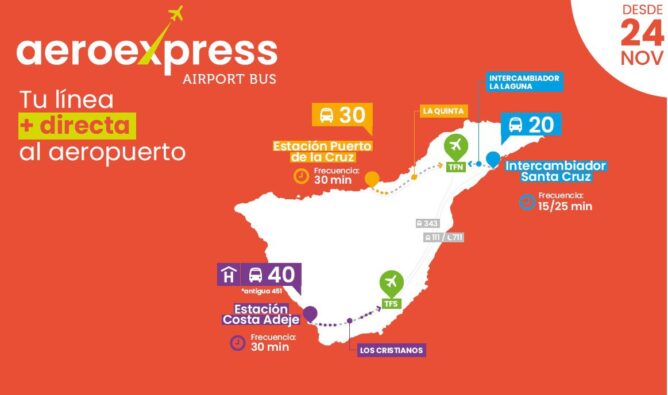
Perhaps that is the real message for those who post such enquiries on forums, move furniture around in restaurants as if it were the most natural thing in the world, or stand half-naked in the supermarket: a little consideration, a little humility and a little sense of reality would certainly be appropriate as a guest. And anyone who genuinely needs someone to pick them up from the airport will certainly find someone. Either by observing the most basic courtesies, or by looking out for signs saying ‚Taxi‘ or ‚Bus‘.


«The fine line between a holiday in the Canary Islands and sheer audacity»
No comments on this article yet.