

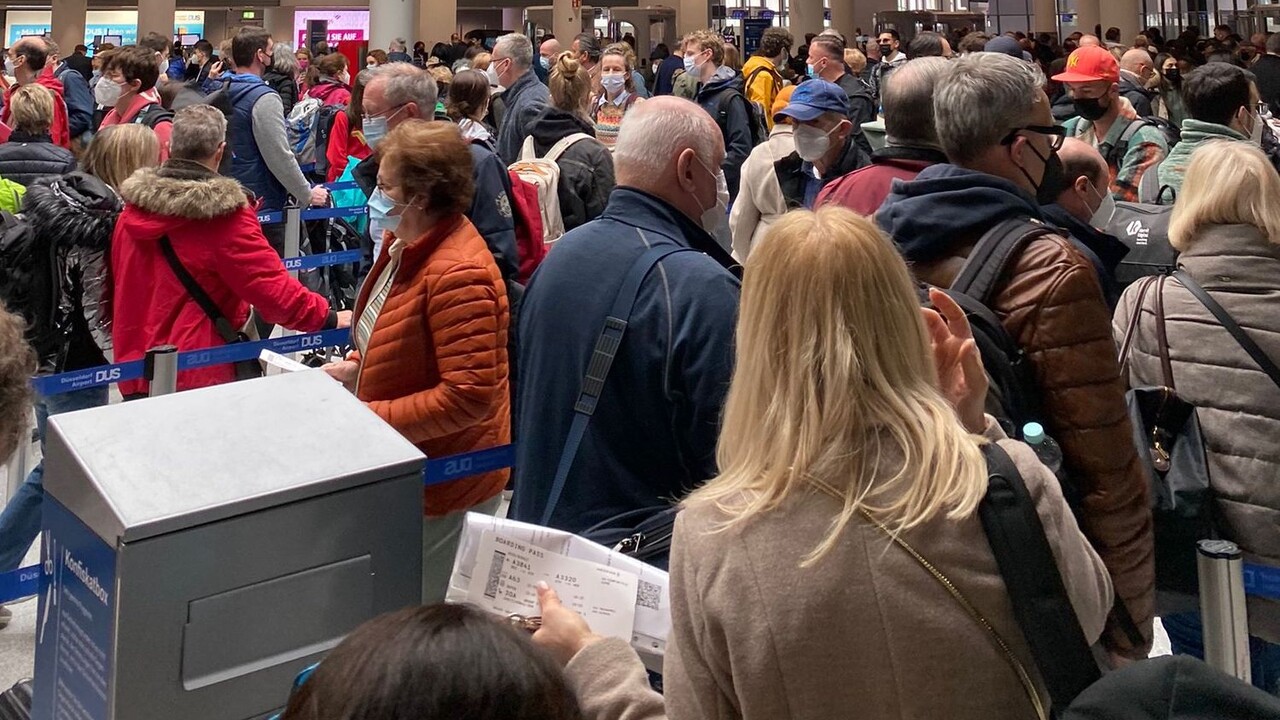
The Canary Islands‘ opposition to a tourist tax is strategic madness. Every island is starting to introduce its own levies. On Mount Teide, at Roque Nublo or in the Masca Gorge, the first ‚eco-taxes‘ – as the levy is called there – have already been introduced. Even the first local council has already tried to go it alone. It is incomprehensible that, instead, no flat-rate levy is being charged.
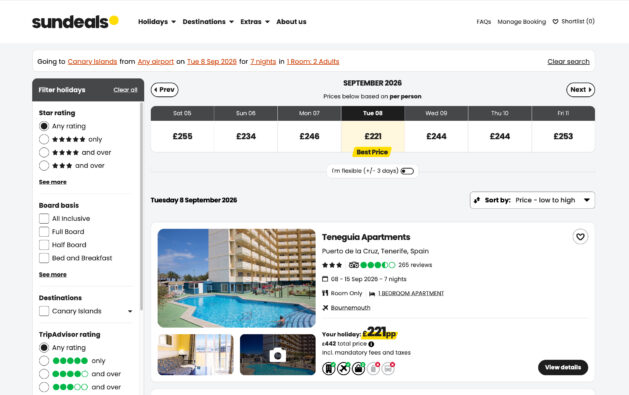
Critics of the tourist tax put forward two main arguments: rising costs for holidaymakers and the administrative burden. Neither of these arguments holds water. This is because a holiday in the Canary Islands has become dramatically more expensive over the past five years, and a tourist tax for the islands is no longer a significant factor in the overall cost. At present, therefore, it is exclusively the large companies that are benefiting, whilst the local population is left empty-handed.
And the administration is already having to do double or triple the work when individual taxes are levied at a local level, rather than setting up a central body before people even enter the country. All of this could be resolved. Yet the President of the Canary Islands, Fernando Clavijo, continues to dither.
A tourist tax for the Canary Islands would be the right move
‚Whataboutism‘ is the modern term for when someone sidesteps a criticism or argument by referring to something else. Clavijo has been doing exactly that since taking office.
On this occasion, the President referred to «other measures that would be far more sensible and would allow revenue to be distributed more fairly». Even if Clavijo suggests otherwise, the tourist tax would in no way stand in the way of this. On the contrary: it could even enable him to secure, at least in part, the funding for the improvements he is calling for in the health, education and social sectors.
Furthermore, «measures that seemed impossible», such as fuel discounts, would make sense. That, too, has to be funded somehow. So why not introduce a visitor’s tax – which is now even being called for by an increasing number of tourists – provided that, in return, no further landmarks are fitted with ticket booths?
Last year, 18 million tourists visited the Canary Islands. Industry experts recently calculated that the figure must actually be even higher. If each of these officially recorded holidaymakers were to spend a flat rate of three euros, that would amount to 54 million euros. At five euros per person per holiday, the figure would be as high as 90 million.
Rhetorical smokescreens in the Canary Islands
If the decentralised admission fees were scaled back and the collection of funds were delegated to the tourism service providers, the necessary administrative apparatus could remain streamlined and initial profits would start flowing very quickly.
Even more important than that is the message it sends – both internally and externally: it would make it clear to the population – some of whom are extremely dissatisfied and increasingly critical – that politicians take the Canary Islands seriously and that, in future, not only citizens but everyone who leaves their mark on the islands will contribute to the costs incurred. And it would make it clear to visitors that the islands have value. On the necessary path away from budget tourism and towards sustainable, high-quality tourism, this is not a contradiction, but a logical part of the journey.
Nevertheless, politicians in the Canary Islands still do not dare to introduce a flat-rate levy. Clavijo could put forward genuine arguments, but prefers instead to resort to yet another rhetorical smokescreen. It is a major tactical error.


«No tourist tax? The Canary Islands are making a big mistake!»
No comments on this article yet.