

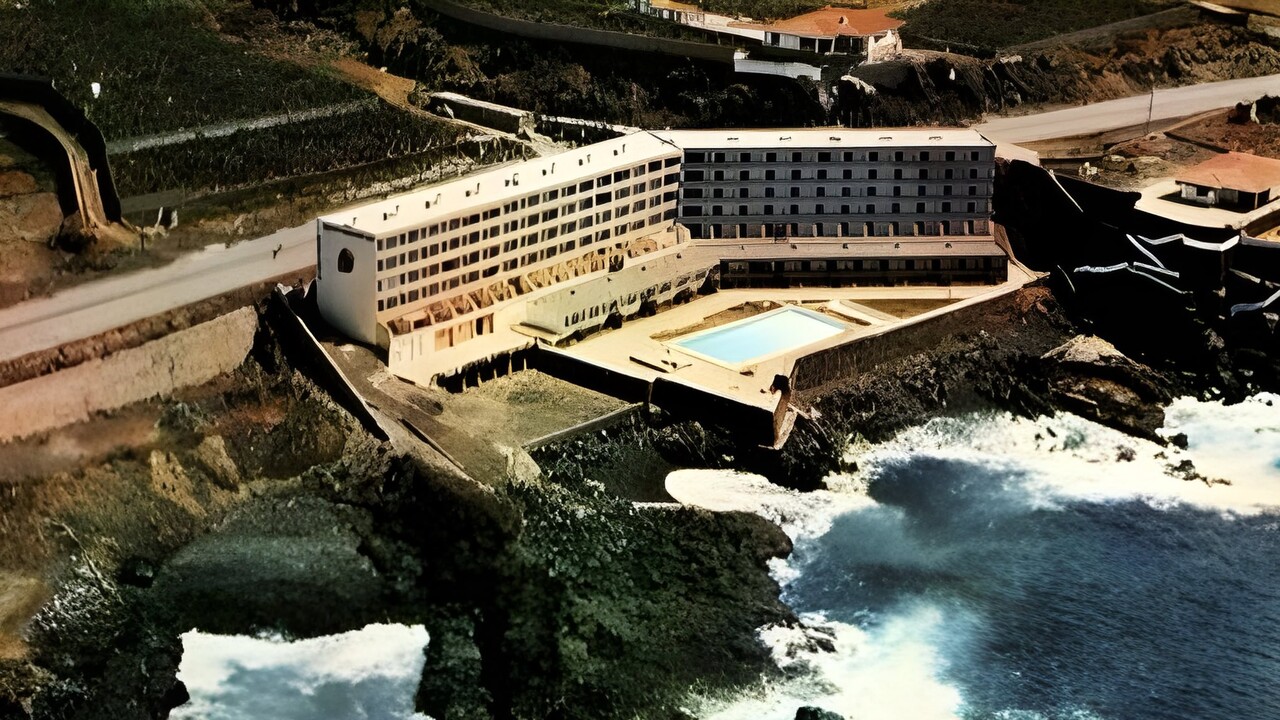
By Marlis Zoschke
In November 1975, General Franco died, and within a matter of days, the dictatorship in Spain gave way to a parliamentary monarchy. Fifty years have passed since then, and Tenerife, like the Canary Islands in general, has changed a great deal.
Back then, the south was like a desert. There were a few simple villages and the occasional modest pub. As a tourist, there was nothing to fear. There were no muggings or thefts. However, the locals did have plenty of time on their hands. They never worked a full day.
We always felt that this was down to the heat. In the ‚restaurants‘, you often had to wait up to two hours to get a modest lunch. Goods were still often carried on people’s heads – and only by women.
From 1976 onwards, the Canary Islands changed rapidly
But from 1976 onwards, changes came thick and fast. Construction cranes became a familiar sight on holiday. The locals were constantly talking about «autonomy». Many of them certainly had no idea what lay in store for them. Everyone probably just thought that there was now a lot of money to be made.
Restaurants were often run by foreigners. Now it was time to be on your guard! The prices on the menus were often different from those on the bill.
If anyone wanted to buy something special, they would drive to Puerto de la Cruz. In fact, that small town – along with Bajamar – was the holiday destination par excellence on Tenerife back then. Even back then, you could find hard-shell suitcases, mobile phones and lots of other electrical goods there that weren’t yet available back home. Mobile phones were banned in Germany at the time because they weren’t safe. We bought one anyway and had great fun with it.
Many golf courses were built in the Canary Islands
It’s good that so many changes have taken place for the benefit of the local population. But there have also been many downsides. Wouldn’t it have been better to invest a little more in the education of young people rather than on unnecessary construction projects? What’s the point of all those golf courses? When it’s windy – and it is quite often – the ball just flies off on its own. Even playing tennis is a matter of luck – even when tarpaulins are stretched around the court.
Now we need a desalination plant too. The farmers need the water, but the fishermen are the ones who lose out. The salt that is removed from the water naturally finds its way back into the sea, and the fish either die or leave the area.
The Canary Islands in transition: from sewage to education
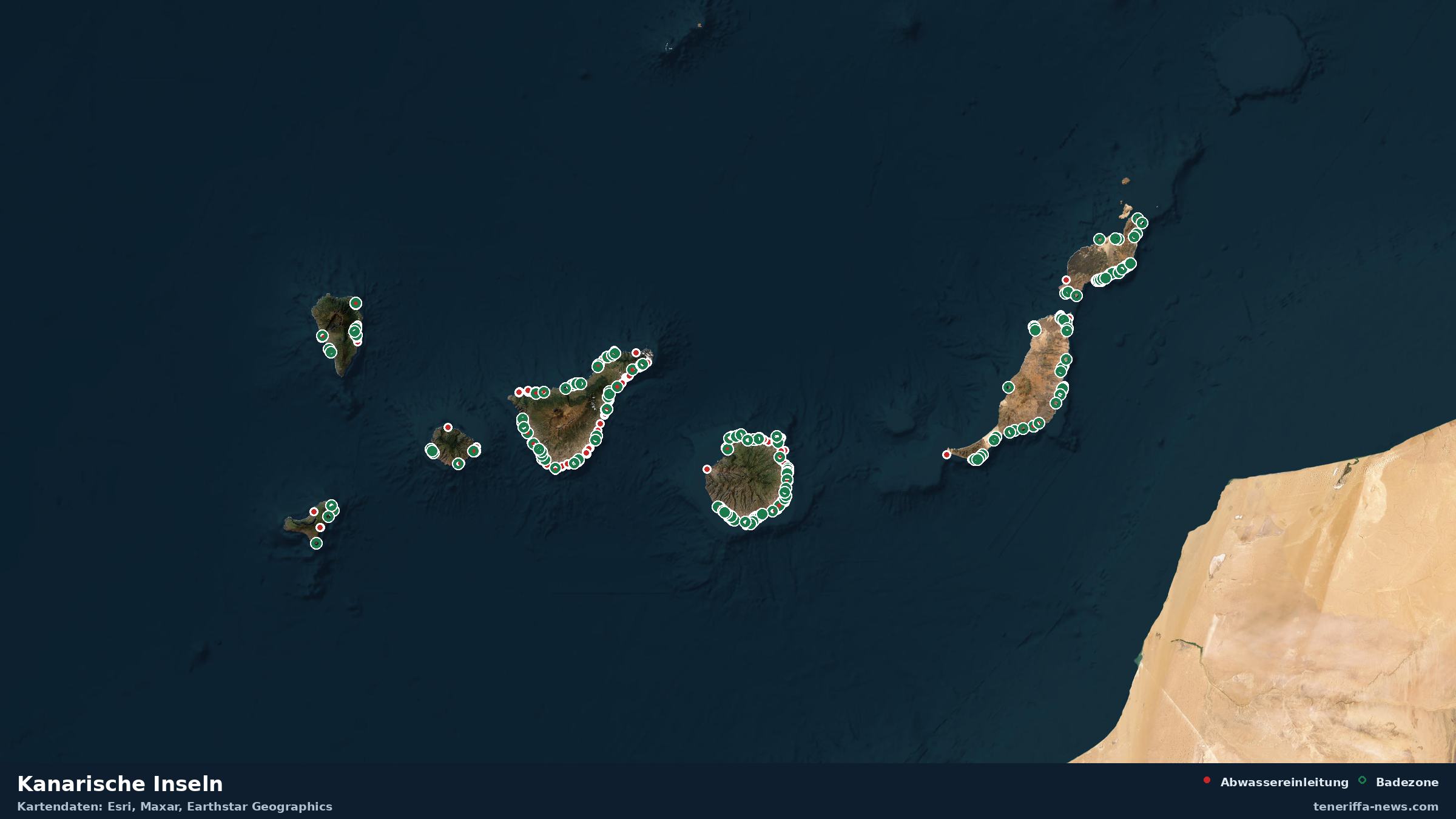
The sewerage system is a disaster. Various newspapers are already reporting that Tenerife should really be avoided as a holiday destination. Of all the Canary Islands, Tenerife discharges the most untreated sewage into the sea.
The Cabildo does not seem to be concerned about the health of the population, or even that of tourists. And politicians appear to be ignoring the education of young people – even though it is regarded as one of the most important investments.
See now: Water quality at the beaches of the Canary Islands
«The Canary Islands have changed so rapidly»
No comments on this article yet.