


The Ombudsman, Ángel Gabilondo, and his regional counterparts have called on public authorities to drive forward legal reforms and implement housing policies with sufficient funding to guarantee citizens‘ right to decent and adequate housing.
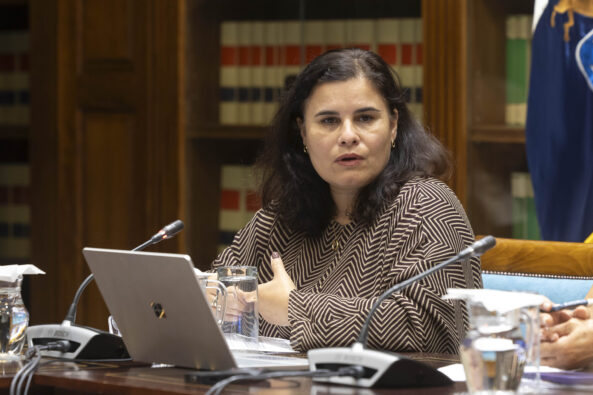
The call is set out in a set of ten conclusions adopted during the 39th Coordination Conference of Ombudsmen’s Offices, held on La Palma and which concluded this Friday, at which access to housing was the focus of the debate.
The ombudsmen consider this to be one of the public’s main concerns and, as such, believe it requires priority attention from the authorities with responsibility in this area.
Housing policy: Proposals for more social housing and rent subsidies
The proposed measures include increasing the stock of social and subsidised housing, allocating a larger budget to public housing policies, and introducing rent subsidies.
They also propose updating town planning schemes to bring them into line with new housing needs arising from population growth, strengthening the supervision and regulation of properties used for holiday rentals, and simplifying the regulations, with particular attention to vulnerable people.
Affordable housing is intended to prevent social exclusion
The document emphasises that housing is a basic need and a right with «significant social implications», as it considers that having an adequate and affordable home helps to prevent poverty, vulnerability and social exclusion.
In this regard, it warns that these situations are particularly difficult to reverse once they have arisen, and therefore argues for the need to take action through public policies that ensure the right to housing is upheld.
Ombudsman services from nine regions are taking part in the conference
In addition to Ángel Gabilondo, representatives from the ombudsmen’s offices of Andalusia, Catalonia, Galicia, the Canary Islands, Aragon, the Valencian Community, Castile and León, Navarre and the Basque Country took part in the conference.
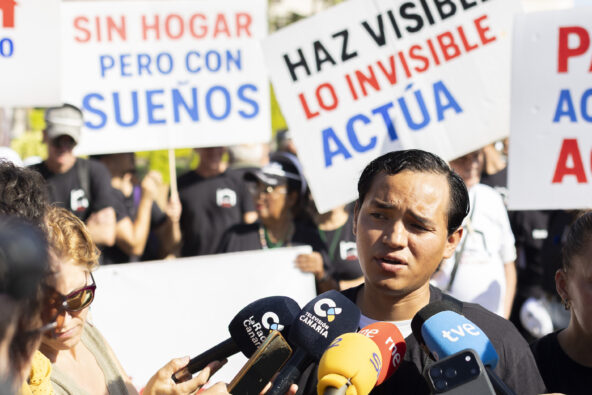
The event also featured contributions from university experts, social workers, housing campaigners, professionals from various fields, and representatives from public authorities and the third sector.








Comments (0)
No comments on this article yet.