

In the early 20th century, malnutrition and poverty meant that children from working-class and day-labourer families did not attend school regularly. A group of female teachers in La Laguna then set up a pioneering project in the Canary Islands: providing hot meals and clothing as an incentive to attend school.
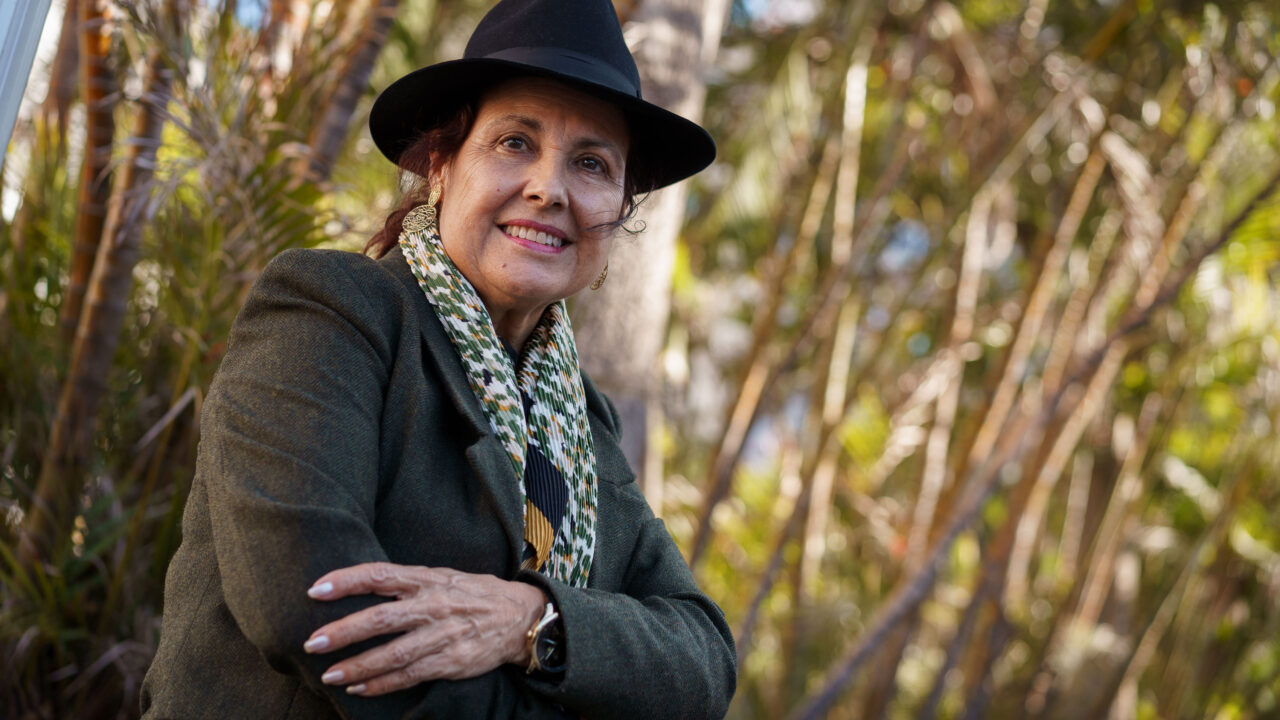
The history of the school canteen and children’s clothing bank has been studied by Teresa González, Professor of History of Education at the University of La Laguna, who explains in an interview with EFE that the project ran from 1915 until the outbreak of the Civil War in 1936, and was one of Tenerife’s most iconic charitable and educational institutions.
It was a time when hunger went hand in hand with high rates of truancy and child neglect, and this combined food and education movement emerged in Europe in the late 18th century but did not reach Spain until 1901, when the first canteen was opened in Madrid.
La Laguna: School canteen set up in response to a social crisis
At the beginning of the last century, the Canary Islands were experiencing a period of severe socio-economic vulnerability brought about by the outbreak of the First World War; for, although Spain remained neutral, the Canary Islands suffered greatly from shortages, the paralysis of maritime freight traffic, rising prices for basic commodities and the collapse of their agricultural exports, the researcher explains.
Consequently, the poverty and neglect suffered by children overwhelmed the capacity of the existing welfare organisations, such as the Provincial Board for the Protection of Children and the Suppression of Begging; and against this critical backdrop, the La Laguna School Canteen project emerged, closely linked to the teaching profession and women’s social commitment.
The driving force behind the initiative was Elpidia Rodríguez, the headmistress of the Canary Islands Teacher Training College, who, after delivering a lecture entitled ‚Education and Charity‘ at the Ateneo de La Laguna in February 1915, succeeded in raising awareness and garnering the support of the public, as well as the civil and ecclesiastical authorities.
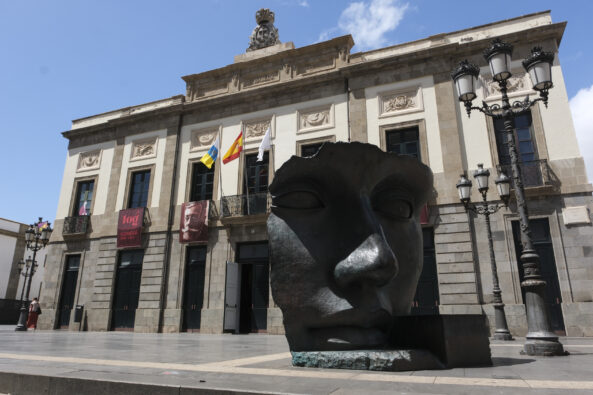
On 28 February of that year, the association was officially founded, and the canteen service was opened on 3 May with a charity performance at the Teatro Leal.
The founding objective combined two essential aspects: the social aspect, aimed at improving schoolchildren’s physical health through nutritious meals and ensuring compulsory schooling; and the moral aspect, focused on eradicating street begging, promoting good example and strengthening bonds of charity between the town’s rich and poor children.
Unlike other regions on the mainland, the institution in La Laguna incorporated an integral subsidiary body from the very outset: the «Ropero Infantil», notes González, who has published her research in the journal «Cliocanarias».
Clothing bank adds shoes and school uniforms to its range in Essen
The clothing store undertook the task of making, collecting and providing decent clothing and footwear for the children who were beneficiaries of the canteen, on the basis that the right to food could not be separated from the right to be properly dressed for school.
To cover its day-to-day running costs, the canteen relied on a complex network of charitable funding, given the scarcity or irregularity of public funds; its income came from public subscriptions, raffles, private donations and regular institutional contributions.
Among the most notable subsidies were the annual grant of 1,000 pesetas from La Laguna Town Council, the funds provided by the Directorate-General for Primary Education, the monthly allocations from the Child Protection Board, and one-off contributions such as the 1,000 pesetas donated by General Primo de Rivera during his visit to the city in 1928.
The funds raised were deposited transparently with Banca Pozuelo and were used to cover fixed costs: the wages of the cook and the collector-maid, fuel (coal and pine heartwood) and the items in the basic food basket (milk, bread, sugar, gofio, coffee, salt and soap).
The selection of pupils admitted to the canteen was based directly on the judgement of teachers at state schools, who, through their day-to-day interaction with the children, were best placed to assess their socio-economic vulnerability and malnutrition.
Meal vouchers link lunch to regular school attendance
The institution used meals as a strict means of monitoring school attendance; to this end, teachers would stamp ‚lunch vouchers‘ every day to certify each child’s punctuality and regular attendance at lessons. Pupils who did not attend school automatically forfeited their right to a midday meal.
Furthermore, the number of vouchers collected entitled the holder to priority when it came to receiving a new outfit made by El Ropero Infantil during the Christmas or Three Kings‘ Day festivities.
To counter the underhand tactics of certain families who enrolled their children only around the time when gifts were being distributed, only to withdraw them afterwards, the board imposed strict enrolment deadlines in 1927, limiting enrolment exclusively to the months of September and January.
The number of children cared for grew in line with the funds available: it began with 55 schoolchildren in 1915 and, nine years later, had reached 120 pupils in care.
The Second Republic weakens the Catholic-run school canteen
However, the institution’s history underwent a drastic change following the advent of the Second Republic in 1931, as the statutory establishment of the secular nature of state education clashed head-on with the deeply rooted religious and Catholic character that defined the school canteen’s statutes and charitable practices.
In the wake of the government decree, income from private donations and subscriptions from Catholic circles fell sharply, and the long-standing driving force behind the organisation, Elpidia Rodríguez, was transferred to Zaragoza, with Carmen Galdós taking over as head of the Teacher Training College and chair of the canteen.
The teaching staff and the teacher-training students then rushed to take over the internal management of the charity to prevent its complete disappearance, and the service continued to operate on a more modest scale, providing food and clothing for a small group of around 60 to 70 children.
The last entry recorded in the cash book dates from 14 May 1936, showing a contribution of 1,817 pesetas raised at a charity festival held during the Republic’s celebrations.
However, the collapse of the constitutional order brought about by the coup d’état of July 1936 and the outbreak of the Civil War marked the definitive end of this welfare and educational initiative.




«La Laguna women teachers promoted attendance with food and clothes»
No comments on this article yet.