


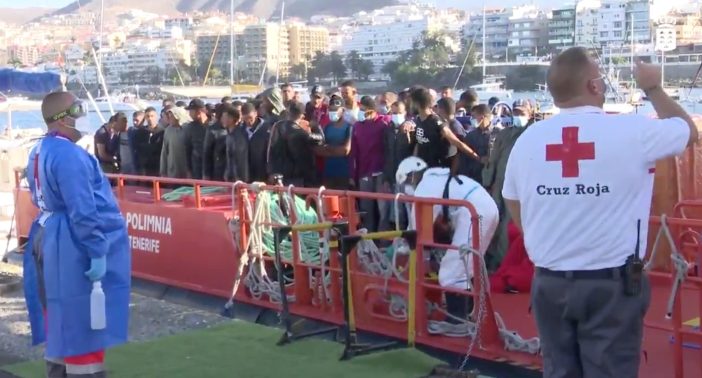
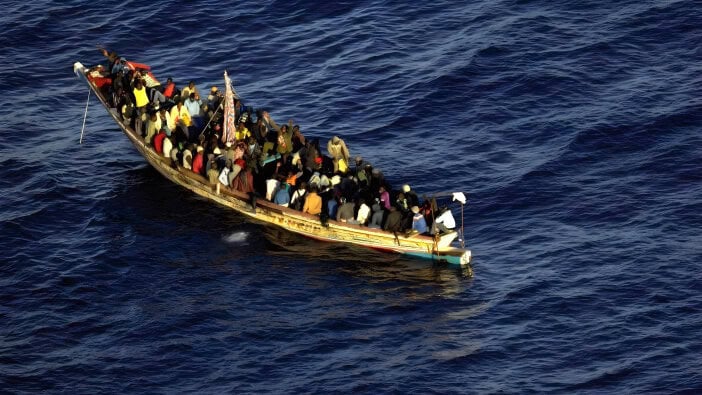
The Canary Islands are seeing a resurgence in migration. The latest figures show a sharp increase compared with last year: with 1,210 people reaching the archipelago by sea, the islands recorded roughly double the number of arrivals compared with the same month last year.
Ceuta experienced a mass border crossing on 30 and 31 July. This is now attributed to a targeted social media campaign, as a result of which more than 70,000 people swam from Morocco into Spain’s North African exclave within a very short space of time. The city, situated on a peninsula directly on the Strait of Gibraltar, has a population of only around 84,000 and was completely overwhelmed, despite prior warnings from the intelligence services. As a result, the authorities sealed off the borders.
Whilst the Canary Islands migration rebounded last year, partly due to a shift in migration flows, the islands are now anticipating a resurgence in the Canary Islands route, which is generally considered busier during the winter months:
Canary Islands migration: Ceuta crisis shifts routes once again
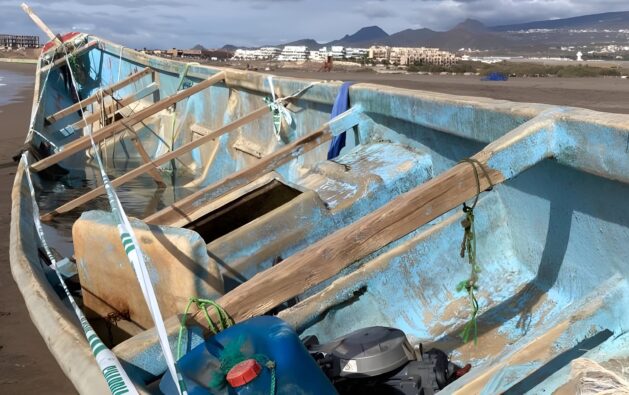
Before the latest incidents, the Canary Islands, together with Spain’s Ministry of the Interior – which tracks the figures – reported a significant decline in migrant and refugee arrivals. The trend had already begun to reverse this week. With 429 people on five boats, more than a third of all migrants arrived within the space of a few days. Furthermore, around 100 people have been reported missing since then.
For the President of the Canary Islands, Fernando Clavijo, the reason lies in the tougher immigration policy surrounding Ceuta. In 2024, 46,843 migrants and refugees reached the Canary Islands by sea. After Spain concluded agreements with West African countries, under which the coastguard and military were already preventing people from setting sail there, the routes shifted towards the Mediterranean. In the following two years, arrivals fell noticeably.
However, Clavijo fears that the events in Ceuta and the political reactions to them are now shifting the flow of migrants once again. He therefore said this week that it was necessary for «the authorities to work together».
Madrid points to falling migration figures
In Madrid, the view is currently different: Spain’s central government focuses primarily on the overall figures and has, in the past, expressed satisfaction when migration flows were more evenly distributed. It was therefore hardly surprising that Anselmo Pestana, who was sent from Madrid to the Canary Islands, reacted in this way; just a few days ago, he highlighted the significant year-on-year decline in migrant arrivals.
Some regional politicians have already interpreted this statement as a kind of barometer of reassurance regarding what may lie ahead this winter. In the coming months, arrivals are expected primarily from Morocco, The Gambia and Mauritania. Morocco lies at the same latitude as the Canary Islands, whilst The Gambia and Mauritania are significantly further south.

«Canary Islands route picks up again amid fears of new migration winter»
No comments on this article yet.