


It is extremely practical when it is clear, even before a mistake is made, who will be held responsible for it. Unfortunately, this also leads to complacency and a whole host of financial mistakes. A recent example from Puerto de la Cruz on Tenerife illustrates the whole dilemma of a lack of self-criticism and the hasty selection of those held responsible.
Three long-established catering businesses have closed down all at once. The local press were quick to pinpoint who was to blame: tourism. This reaction has now become second nature, so in an ever-faster-paced world, people simply nod in agreement at first and – if at all – only give it a second thought later on.
Anyone who, on the other hand, examines the issue in depth will quickly come to a very different conclusion. The decline of all three businesses had been foreseeable for months – in fact, for years. And it is certainly not down to any one tourist:
The hospitality sector in the Canary Islands is too often slow to adapt to change
The local press reports on the subject: „The steady rise in prices and the massive influx of tourists have led to many places losing their appeal or disappearing altogether.“ That may be partly true. Above all, however, economic missteps are often the real reason.
Many visitors to the city are familiar with the view of the Café de Paris. Situated right on the promenade, on the ground floor of the Hotel Valle Mar, thousands of visitors pass by this once-traditional venue every day. The interior, however, is known to hardly anyone. And that is where the crux of the matter lies.
Ever since the patisserie closed down, hardly any customers have found their way into the Café de Paris. And so the former dance hall has become nothing more than a façade, just one of hundreds of outdoor bars – only with many times the indoor space and a corresponding rent.
Anyone who runs a huge business but then only sets up a few tables outside is making a major business mistake. It takes a great deal of imagination to attribute a decline in business to the rise in tourism.
The same goes for Tenerife: if you don’t move with the times, you’ll be left behind
Apart from the lease, the main problems were a stubborn clinging to old ways and a lack of willingness to change. Inside, right up until the end, a figure of a singing Black man in front of a grand piano welcomed guests (photo below). Whether the mannequin still fits in with the spirit of the times is for each visitor to decide for themselves. Anyone who doubts it is certainly not entirely wrong.
All around were thick-pile carpets, velvet-upholstered solid-wood chairs and plenty of dark wood. Add to that heavy curtains and a corresponding amount of artificial lighting. It’s the ideal setting for a film set. In a region where the lives of locals and visitors alike take place outdoors, it is quite simply a gastronomic misstep:
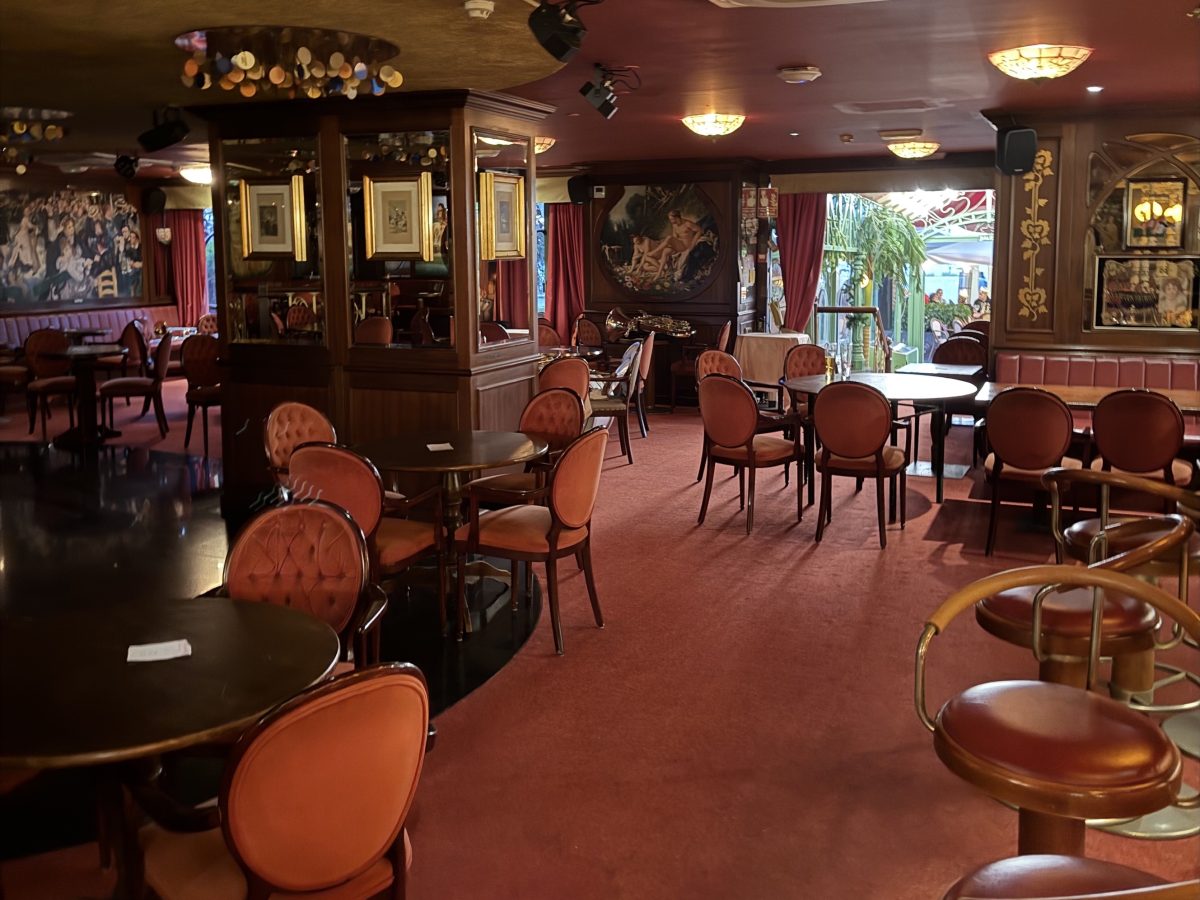
Clinging too long to old ways in the Canary Islands
The ice-cream parlour also relied on tradition and failed to adapt, both in terms of presentation and range, to changing tastes. Vanilla, strawberry and Málaga were once real hits in the ice-cream industry, and of course they are still loved today, but now there is also a demand for more exotic flavours. The parlour was far too slow to meet this demand. Instead, after production, they simply poured some liquid chocolate over the ice cream. That’s not what innovation looks like.
It was a major mistake to rely on walk-in customers in the city’s most expensive locations whilst offering an outdated menu. As a result, more and more chairs and tables remained empty. Guests who did sit down did not generate sufficient turnover; instead, they too often made do with small orders. And this will also have been down to the outdated menu.
Culinary missteps in the Canary Islands
The Columbus Group was passed down from generation to generation. And with it came a stubborn clinging to the ways learnt from Mum and Dad. Today, however, nobody goes ‚for a Lumumba at the dance hall‘ anymore.
It is only to be expected that the latest generation of this family business has drawn a radical line under it. And it is not the fault of the tourism industry, but solely the logical consequence of poor decisions in the catering sector.










No comments on this article yet.