

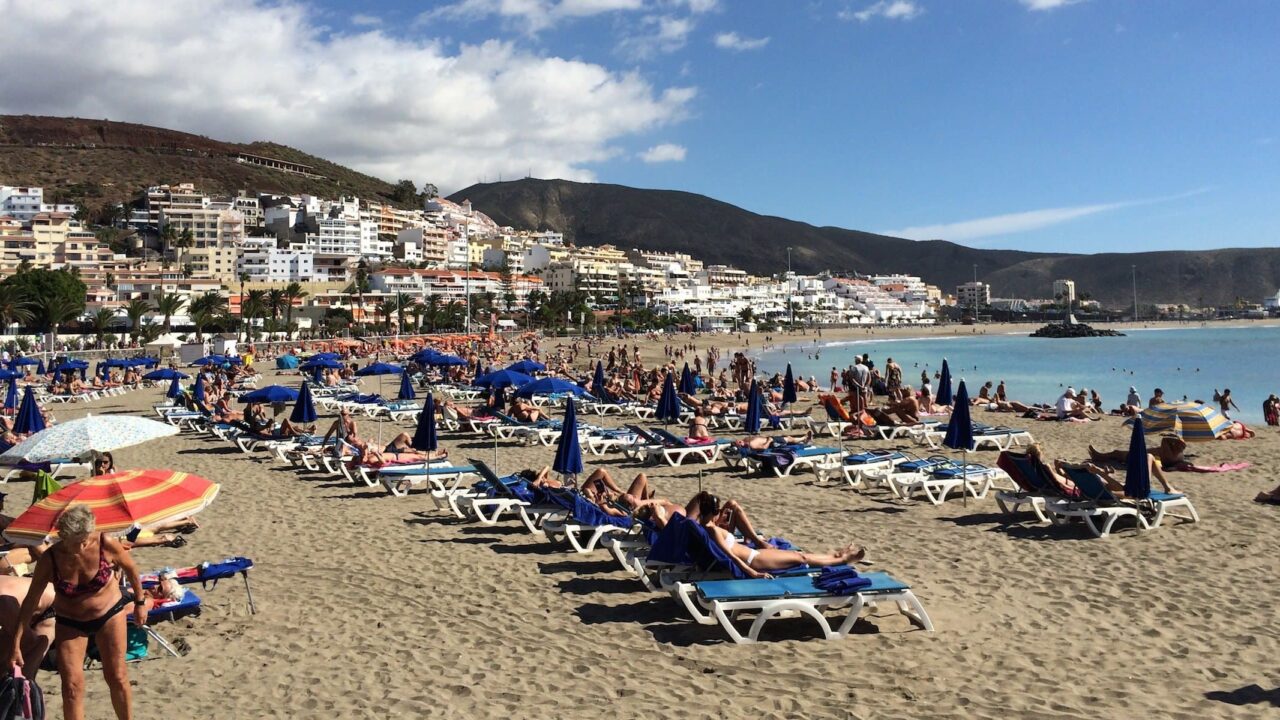
Bargain holidays, all-inclusive deals and fast food have turned what was once a traditional beach holiday in faraway countries into a low-budget pastime that is interchangeable and appeals to all demographics. Those who suffer as a result are the businesspeople and restaurateurs in the holiday destinations – and the holidaymakers themselves.
Of course, there’s nothing to stop you from offering competitive prices and keeping tourists tied to the hotel for the duration of their stay with all-inclusive wristbands. After all, ‚all-inclusive‘ is all the rage – and no hotelier should miss out on that.
Nevertheless, such initiatives can have far-reaching consequences in some cases: pedestrianised areas become deserted, retailers close their shops, and restaurant owners either go bankrupt or switch to low-budget, mainstream and interchangeable offerings of a similar standard.
The consequences of this trend include, alongside unemployment and public discontent, as well as poorly equipped hotel facilities, but above all falling tax revenues. A week’s ‚all-inclusive holiday‘, including flights and a shuttle service to the hotel, is available from as little as 275 euros. And once there, guests consume hardly anything outside the all-inclusive package they have paid for.
The result: after deducting the VAT paid in their home country on travel and flight costs, the hotelier is left with only a few euros. In some cases, turnover is in double figures, whilst the profit is negligible. Such a holidaymaker therefore generates correspondingly little of the tax revenue that is vital for maintaining Tenerife’s infrastructure. Admittedly, this scenario is an extreme one – but it is certainly not an isolated case.
And how are the seven to ten euros of taxpayers‘ money per holidaymaker – the amount left over from the example – supposed to be used to upgrade a dilapidated road network and keep the respective town in good condition? In the long run, this is an impossible task and a naive calculation.
A tourist tax would apply precisely in this way: holidaymakers would pay 278.50 euros instead of 275 euros. Or a luxury holidaymaker would pay 1,209.50 euros instead of 1,199 euros. It is a barely noticeable difference, which would probably only tip the balance in favour of a different destination in extreme cases.
Tenerife, on the other hand, would in this way recoup the urgently needed revenue that is increasingly failing to materialise. The fact that the proposal was met with derision in Parliament on Monday is probably due more to party political rivalry than to forward-looking political planning.
It is to be hoped for the island’s sake – and not least for the sake of visitors, who are only supposedly bearing the brunt of the situation – that politicians will reconsider their stance. After all, the additional annual revenue, running into the high double-digit millions, would ultimately benefit residents and holidaymakers alike.








No comments on this article yet.