

By Marlis Zoschke
There are venomous spiders on Tenerife. And there are scorpions in the coastal region of Santa Cruz. This is now known beyond the borders of the largest Canary Island. The creatures live under stones, are only about three centimetres long and are said to be harmless. The media in Germany have been reporting extensively on this recently.
The scorpion is also a member of the arachnid family. The dangerous venomous spiders include the European black widow and the black violin spider. Bites from these two species can cause severe skin lesions (spots, lumps, ulcers) and illness.
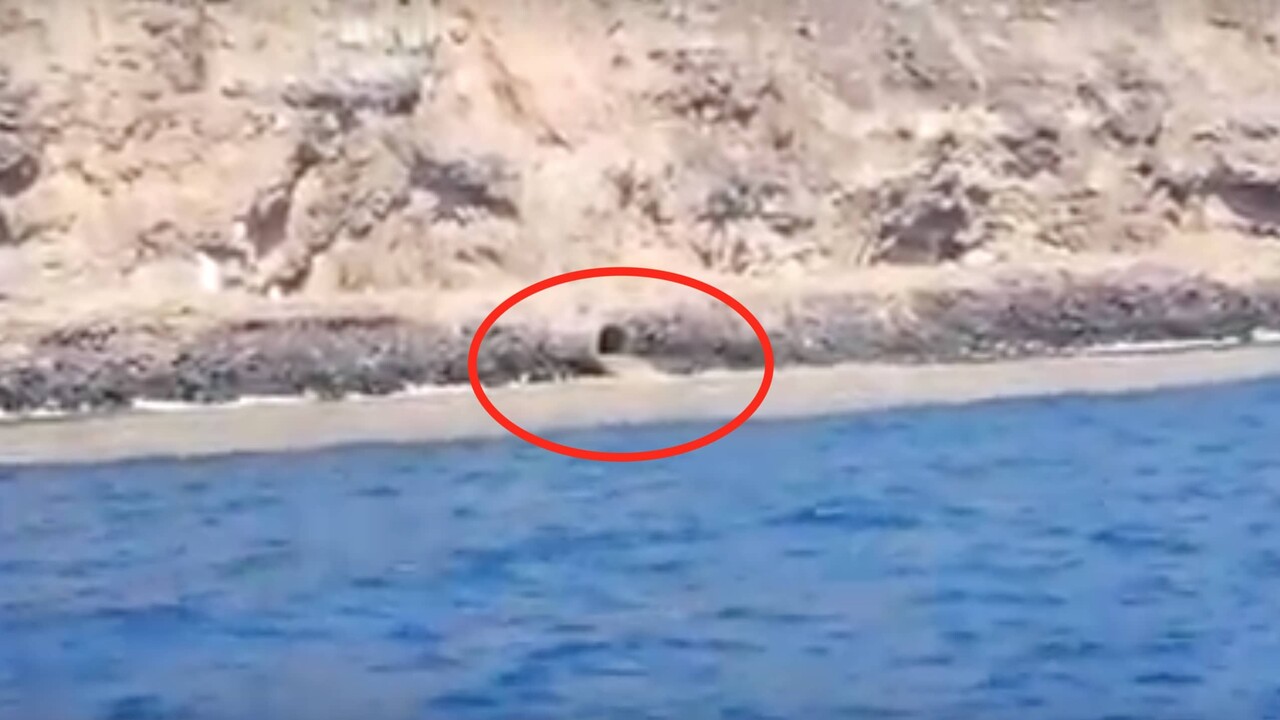
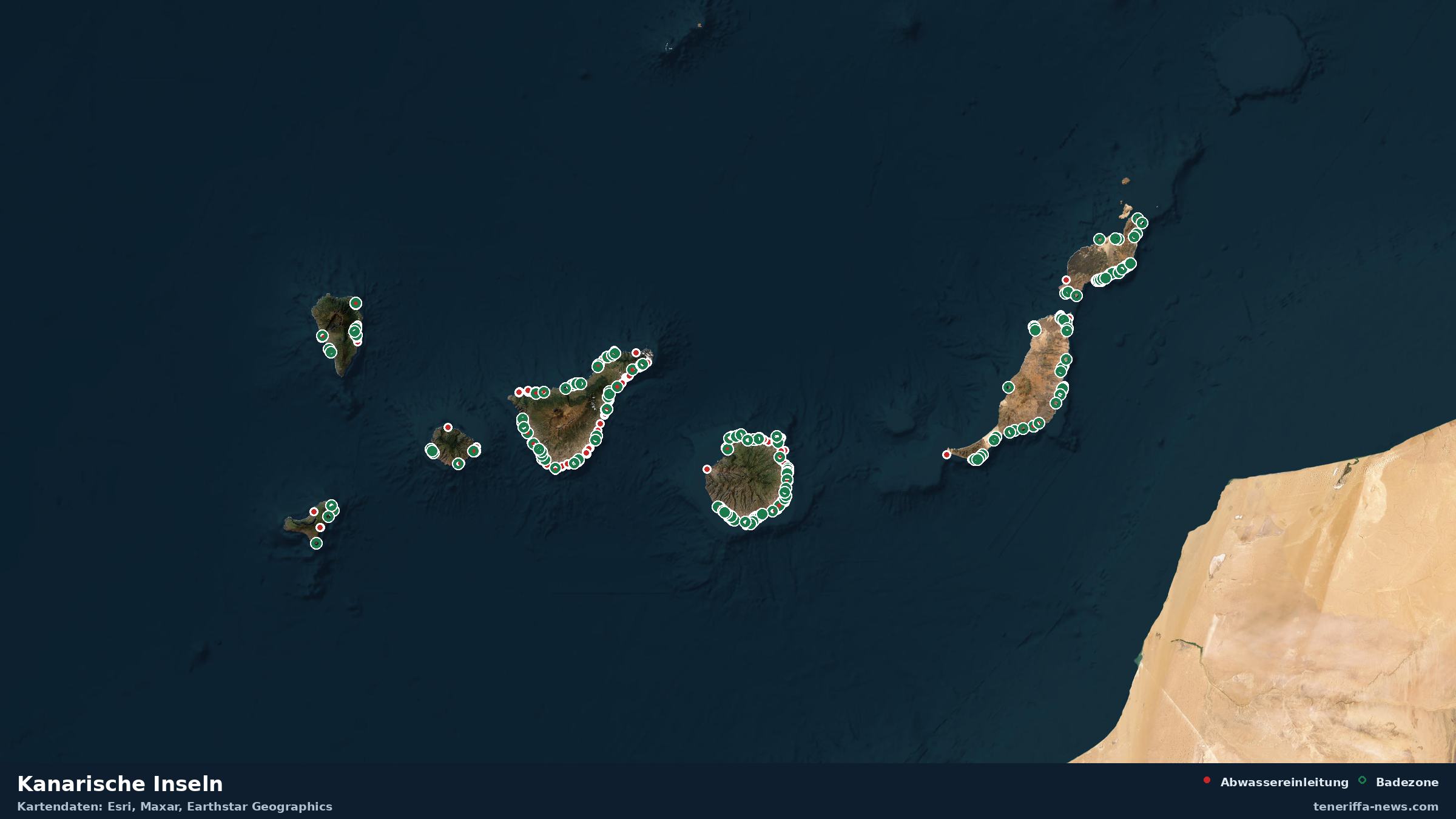
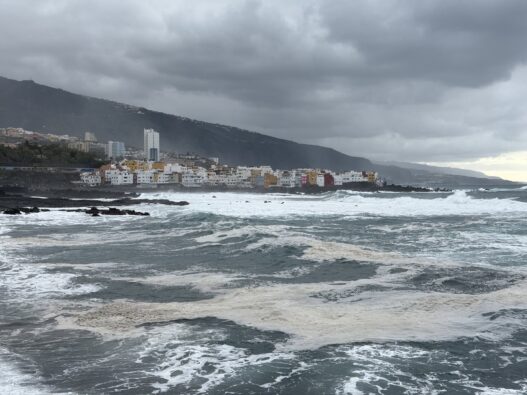
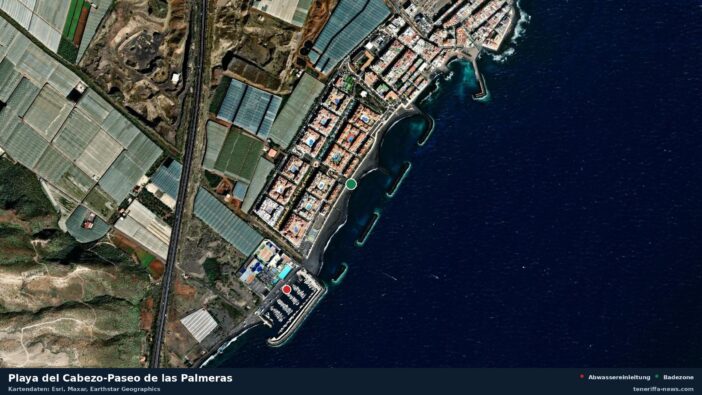
Yet the dilapidated sewerage system poses far greater dangers to island residents and tourists. It is almost inconceivable that 57 million litres of untreated sewage are discharged into the sea every day – and that is just from Tenerife. There are reportedly only five sewage treatment works – and they are all more or less overloaded.
Tenerife’s sewage problem
It is doubtful whether these treatment plants ever actually functioned – in accordance with the regulations, so that they could even be called treatment plants. Work here was probably carried out only half-heartedly, and there was certainly a lack of qualified and well-trained staff from the very beginning.
The size of a sewage treatment plant must always be planned in such a way that it can be expanded as soon as the need arises. Planning must take the future into account. After all, tourism has been growing steadily, and as a result, the volume of wastewater has increased accordingly. However, I have always found that even well-trained staff often struggle with basic maths.
A sewage treatment plant must be monitored continuously. A sewage treatment plant operator must check the treated water regularly. They must also determine how much water is coming in. If the volume decreases, damage has certainly occurred somewhere along the line. And this must be investigated (see below).
Sanitary facilities – an unofficial seal of quality on Tenerife?
However, I’ve noticed in Tenerife that once something was finished, that was often the end of it. Everyone was happy. Any complaints were simply brushed aside for the time being.
When a new hotel opened near Los Gigantes, I was naturally curious. Whenever a new building like that is finished, I’m always interested in the bathroom facilities. If they’re perfect, I’ll even go and eat at the restaurants. But in Los Gigantes, right from the start – for about two years – the lid of the cistern was broken. I’d had enough of that by now.
See now: Water quality at the beaches of the Canary Islands
Our reader correspondent, Marlis Zoschke, regularly writes about her experiences over many decades in the Canary Islands. You can find more of her articles here.
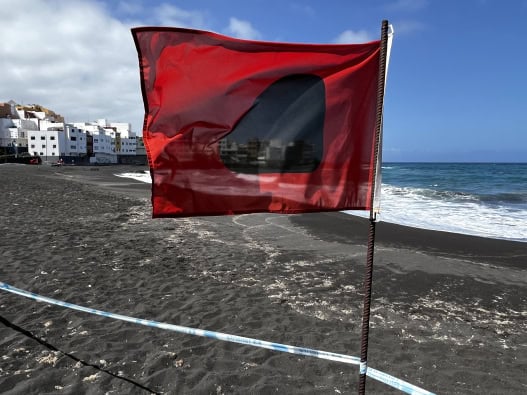
«The Canary Islands: Between poisonous spiders and sewage»
No comments on this article yet.