

In the Canary Islands, a housing shortage and the displacement of local residents from the towns are cited as the reasons behind the strict holiday let legislation. However, there are further (hidden) reasons why action has recently been taken:
A holiday flat is generously advertised as accommodating up to four people. This capacity is made up of one bedroom with a double bed and a sofa bed, which also sleeps two people.
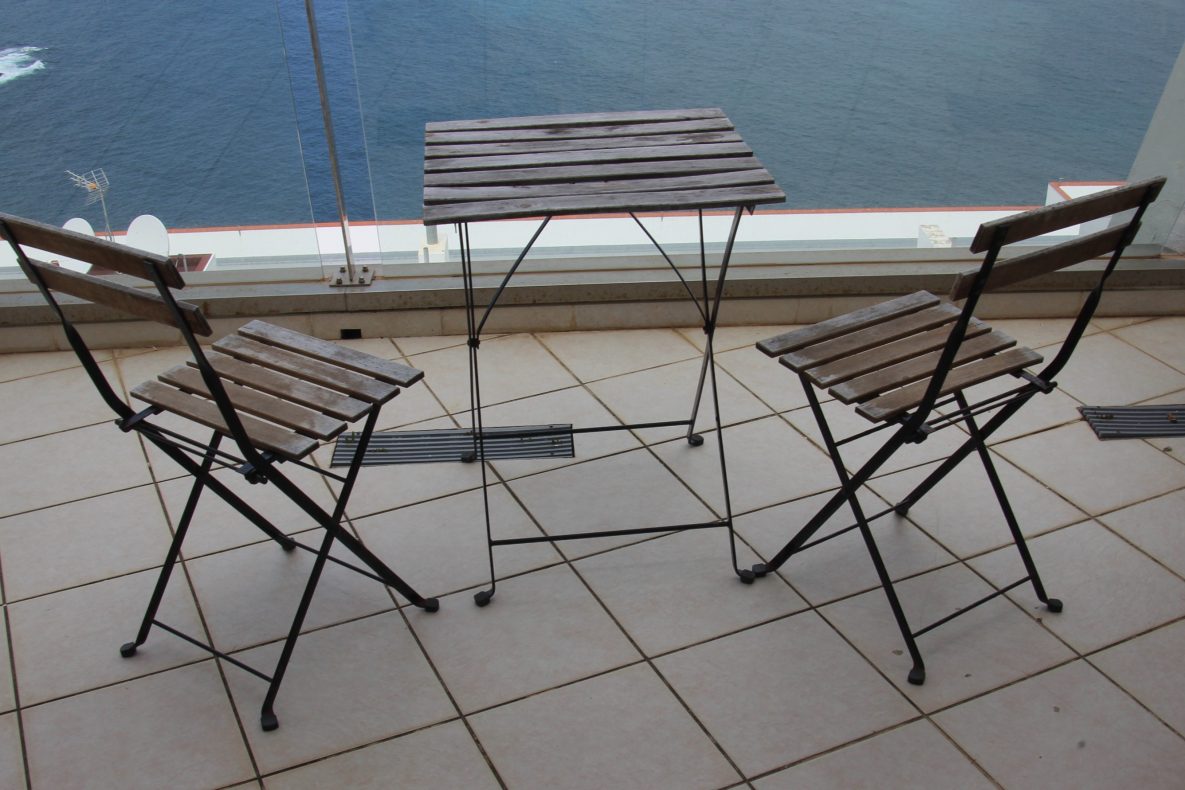
A bold approach, considering there are two wooden chairs on the terrace. The table is so wobbly that drinks could tip over at any moment. So if you’re travelling as a group of four, you can look forward to an innovative seating arrangement: taking turns. Perhaps that’s what the advert meant by ‚Canarian slow living‘. A first-hand account:
A Canary Islands holiday flat from the last century
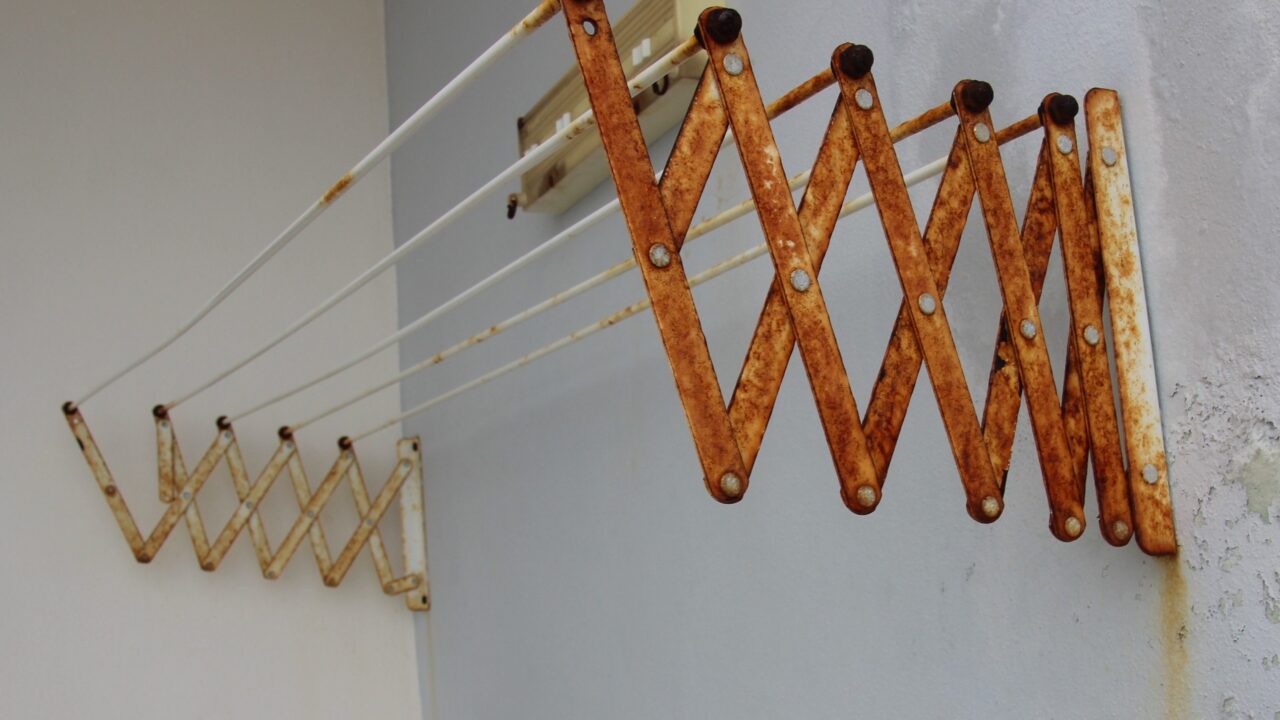
The clothes horse, a fold-out model, seems to date back to the Franco era. It is so rusty that freshly washed clothes would inevitably be adorned with rust-brown reminders of the holiday.
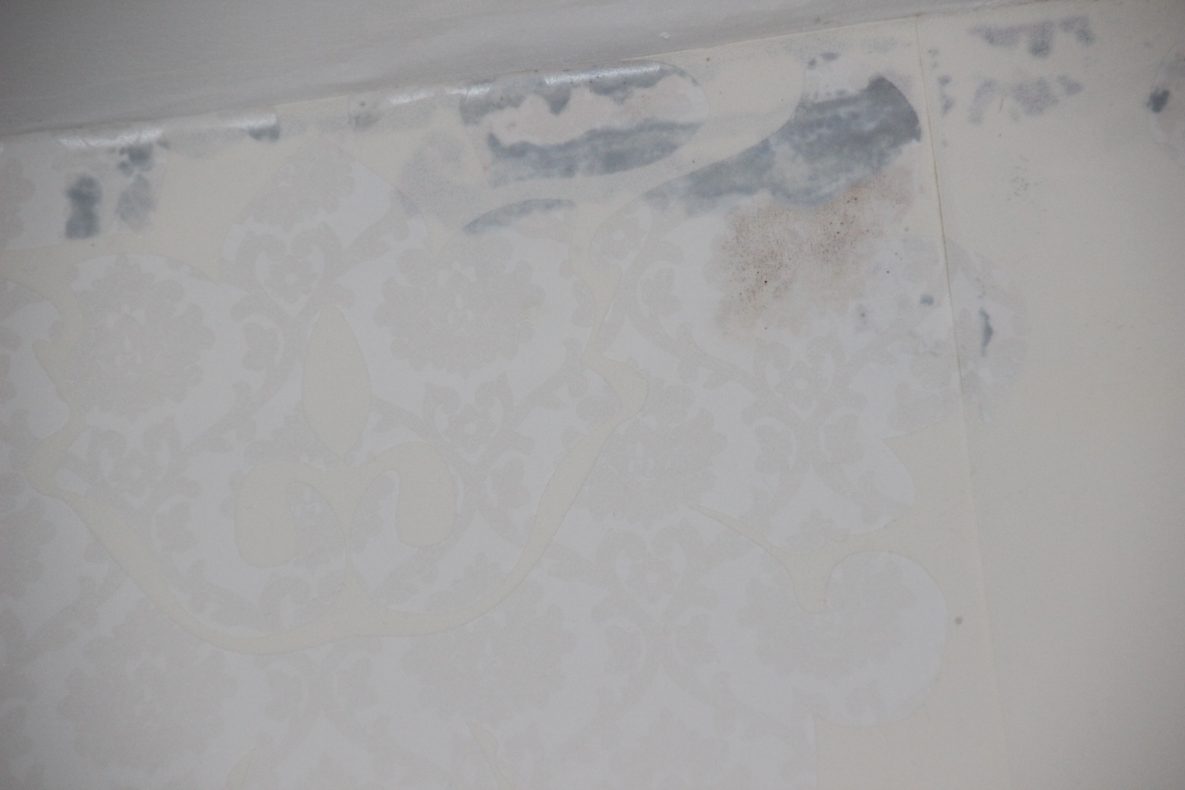
In the bedroom, the biological aspect of the travel experience awaits: mould on the wall. The bathroom continues this theme consistently:
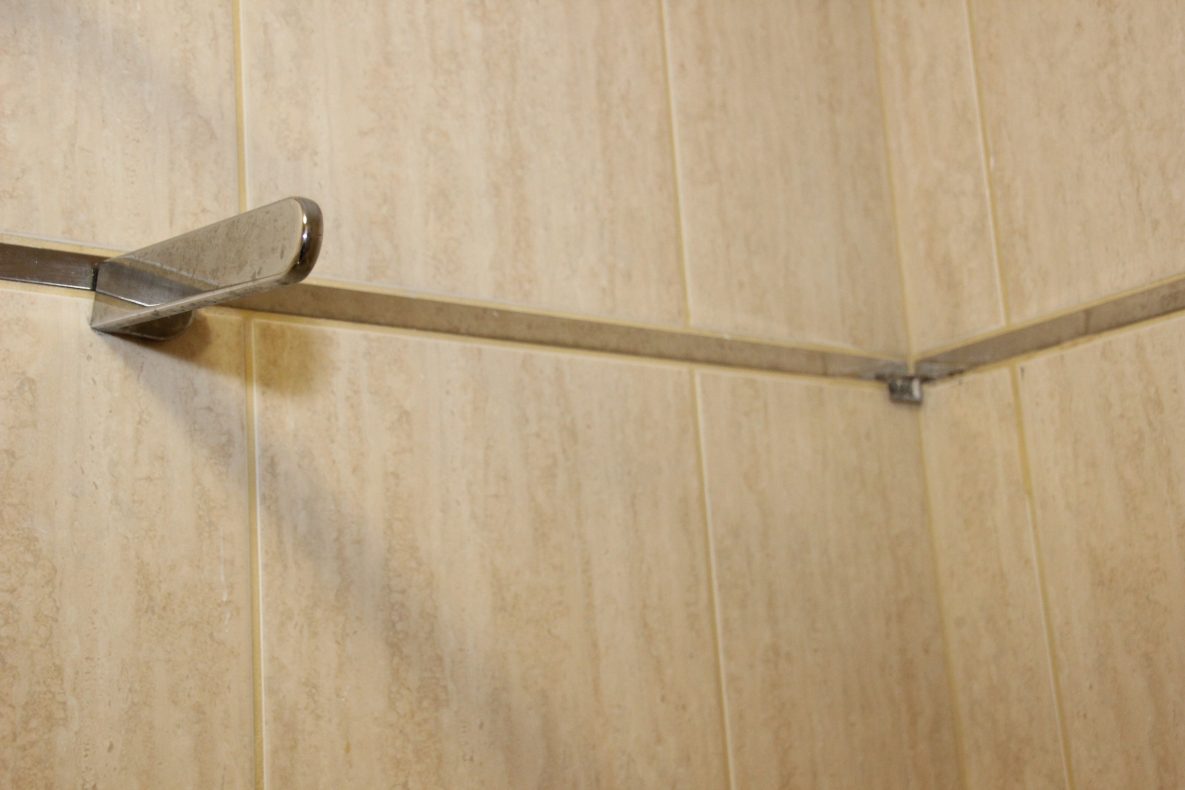
The towel rail has lost its rod. One arm has already broken off, creating a look that fits in perfectly with the rest of the décor.
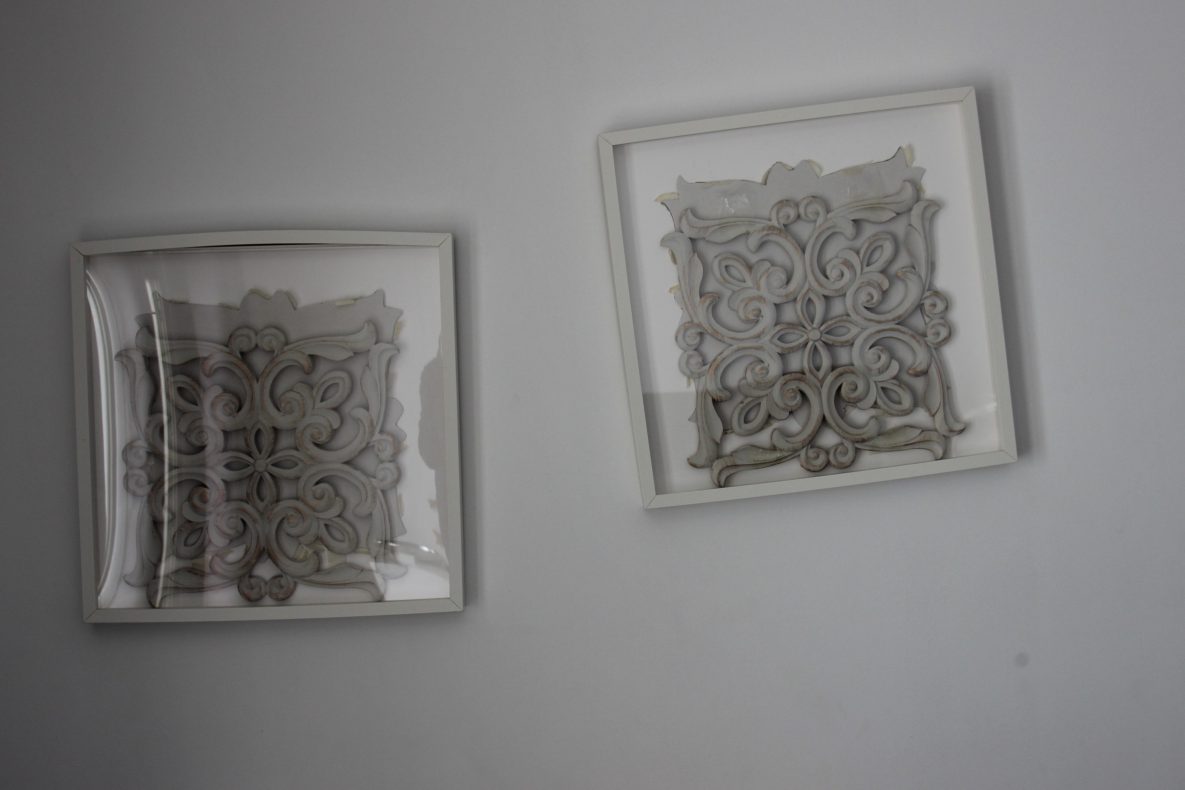
The pictures on the walls are hanging crookedly; the frames are already sagging.
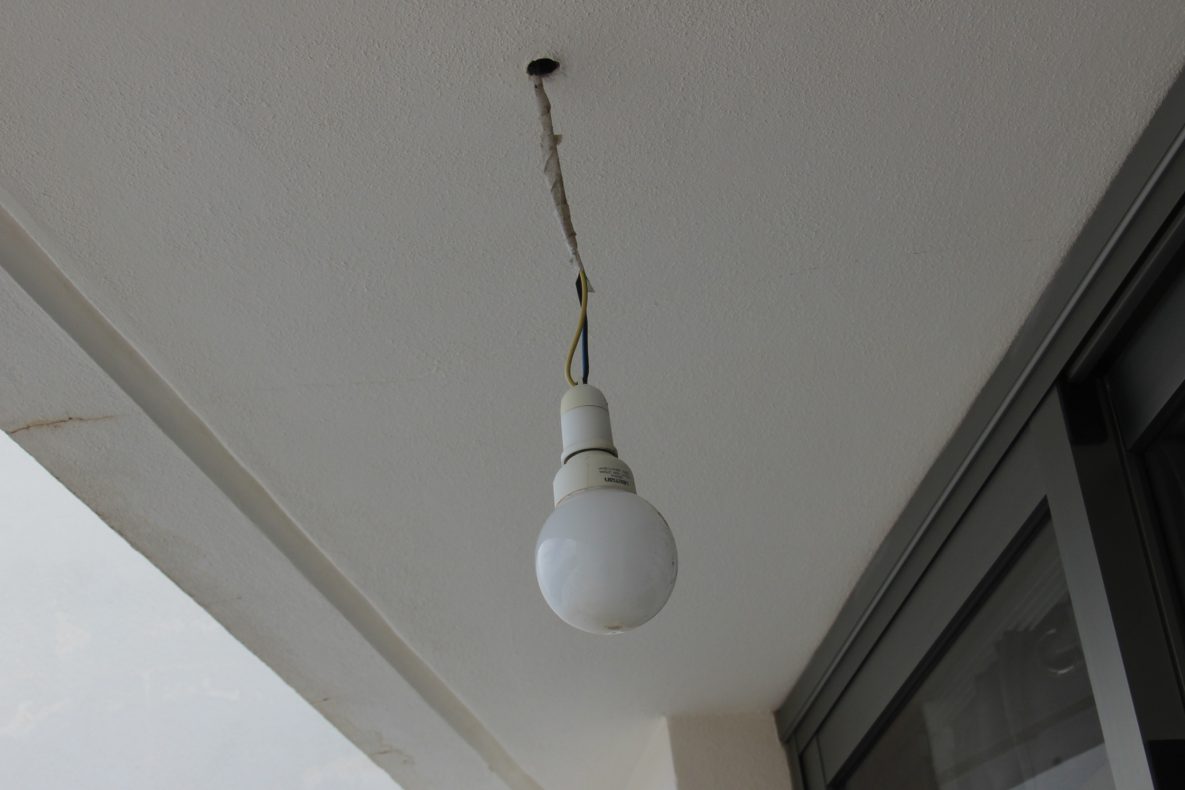
On the terrace, the ceiling light is missing its shade. There is just a bare bulb. It is symbolic of the entire flat: functional in the broadest sense, yet potentially dangerous and devoid of any aesthetic appeal.
Finally, one last detail that ties it all together: the compulsory ‚VV‘ sign for official holiday lettings (Vivienda Vacacional) is, of course, missing. So the flat is being let on the black market – just like the mould on its walls.











Comments (0)
No comments on this article yet.