

A judge in Lanzarote has decided to formally request assistance from Morocco, Mali, Burkina Faso and Guinea to ensure that an alleged gang rape committed on a rubber dinghy bound for the Canary Islands does not go unpunished, given that the facts of the case fall outside Spain’s legal jurisdiction.
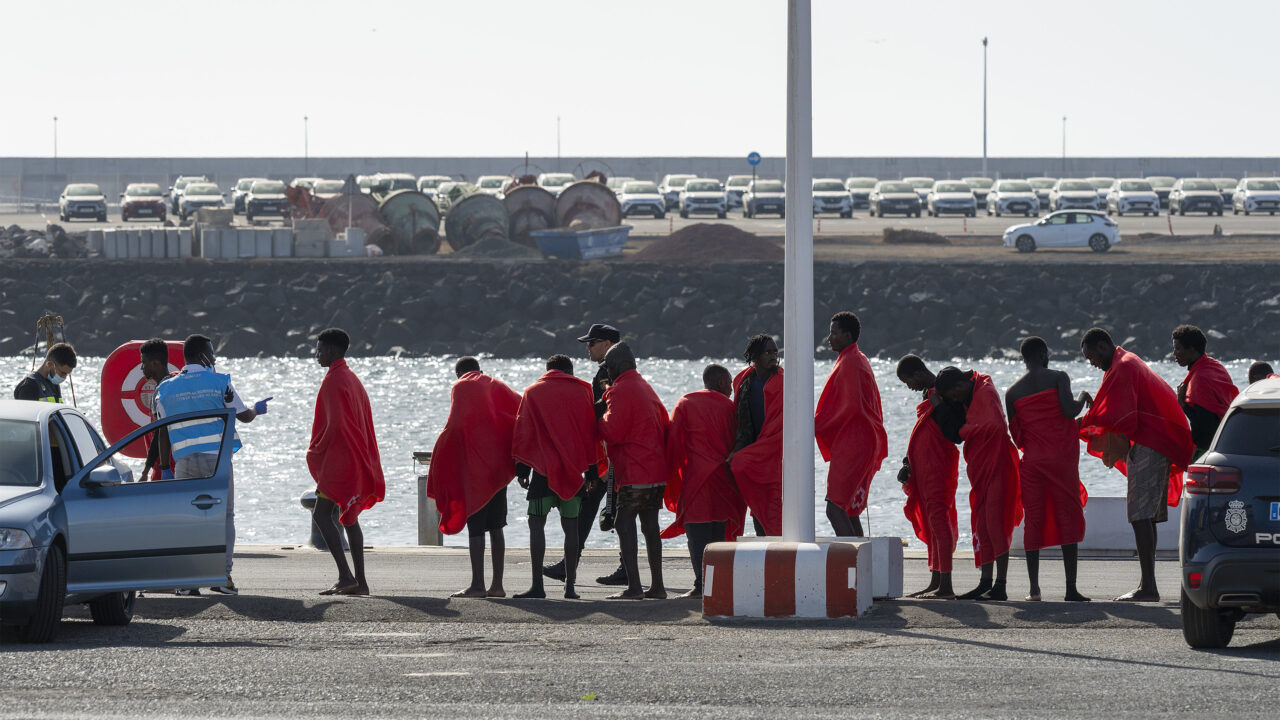
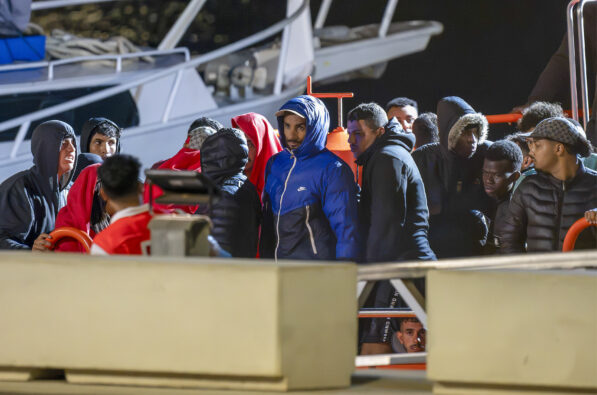
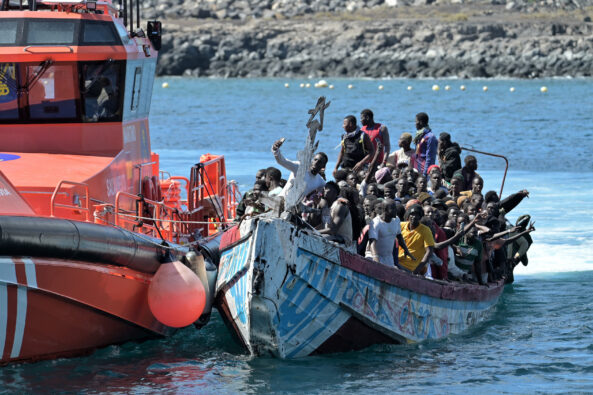
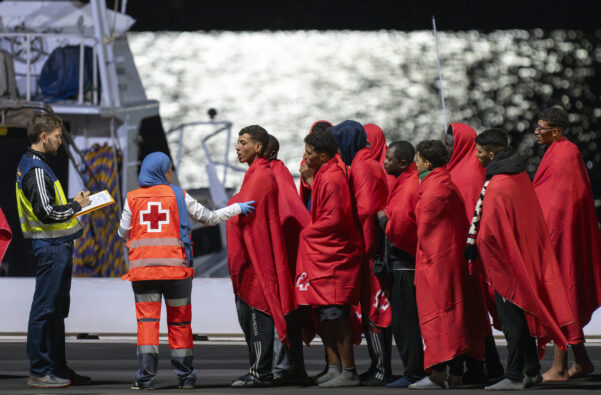
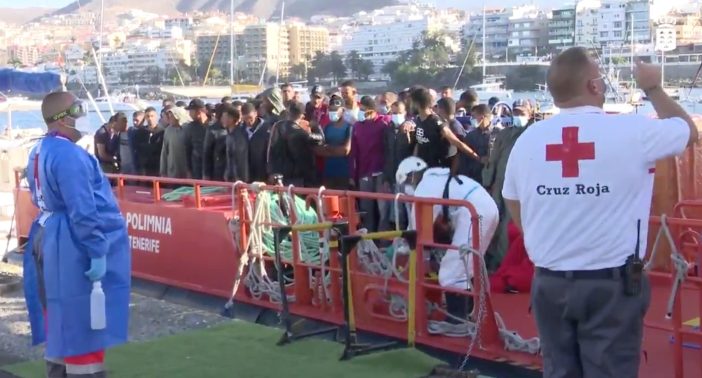
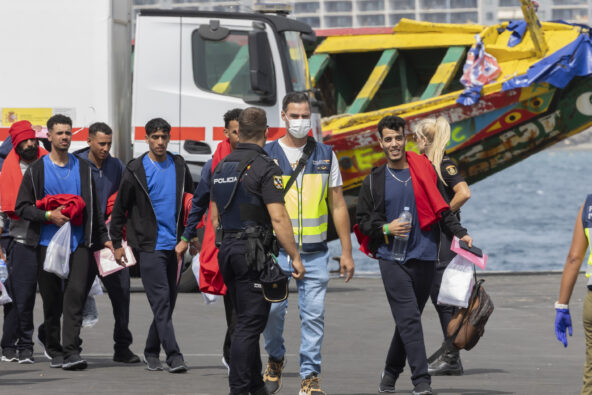
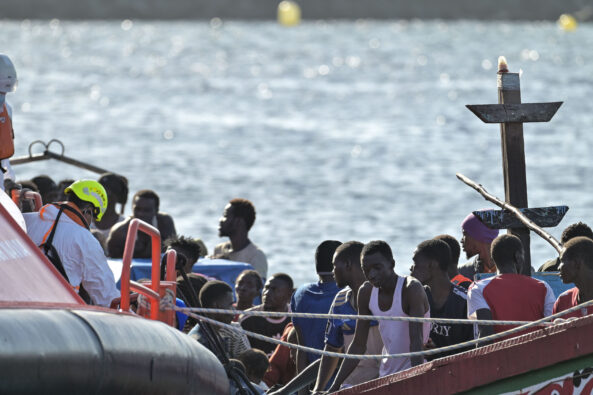
On 16 September, the Maritime Rescue Service rescued a boat carrying 82 African migrants 131 kilometres north-east of Lanzarote. Upon reaching land, a woman from Guinea accused two men from Mali and another from Burkina Faso of having raped her at sea, an allegation that was corroborated by an eyewitness.
The three accused were arrested on 19 September by the National Police and remanded in custody, but were released five days later after the Public Prosecutor’s Office pointed out that Spain lacked jurisdiction to try them, as the events had taken place in international waters on a boat flying no flag, and neither the victim nor the accused were Spanish nationals.
Lanzarote: Spain unable to prosecute alleged rape
In a ruling to which EFE has had access, Arrecife judge Mercedes Gutiérrez has ordered the case to be closed, but has also asked the Ministries of Justice and Foreign Affairs to explore the possibility of one of these four countries taking up the case: Morocco, from where the boat set sail; Mali and Burkina Faso, the countries of the three accused; and Guinea, where the victim is from.
In the report that led to the release of the detainees, the Public Prosecutor’s Office went further and argued that the Spanish Parliament should consider legislative reform to enable Spain to prosecute more offences committed in international waters, provided they take place on small boats bound for its shores.
At present, in circumstances such as those surrounding the small boat incident on 16 September, the Spanish courts can only take action against the offence of facilitating illegal immigration (essentially, prosecuting and imprisoning the boat’s captains) and against acts resulting from that offence, such as death by dehydration or drowning, which is classified as manslaughter through negligence.
One of the prosecutors involved in that report told EFE how powerless she feels, both as a member of the Public Prosecutor’s Office and as a woman, when faced with allegations such as this alleged gang rape, because the law does not allow her to intervene.
The Istanbul Convention does not apply to new arrivals
In this case, the court even explored the option of invoking the Istanbul Convention, which, in cases of violence against women (including sexual violence), allows signatory states to prosecute offences committed abroad by nationals of other states who are habitually resident within their territory.
However, as the judge acknowledges, it cannot be assumed that a foreign national who has only just arrived in Spain a few days earlier on a small boat is someone who is already residing in the country.
Four countries are to consider bringing criminal proceedings
She therefore calls for consideration to be given to «the possible involvement of Morocco, Mali, Burkina Faso or Guinea in any future criminal proceedings» against the three men named in the complaint.
In this regard, she points out that Morocco has a cooperation agreement with Spain on criminal matters in force, which enables the Ministry of Justice to forward the victim’s complaint to it straight away.
As regards Burkina, Mali and Guinea, she leaves it to the Ministries of Justice and Foreign Affairs to determine the «appropriate channel for communicating the facts to their authorities», through some form of international cooperation mechanism.
To that end, she orders that the medical reports, documents and witness statements gathered in Lanzarote in connection with the matter be preserved, in case they prove useful, even if the case is closed in Spain.

Comments (0)
No comments on this article yet.