

By Marlis Zoschke
Anyone who came to Tenerife in the early 1970s and visited the south had the feeling that time had stood still. But then everything was set to become more modern and interesting as quickly as possible.
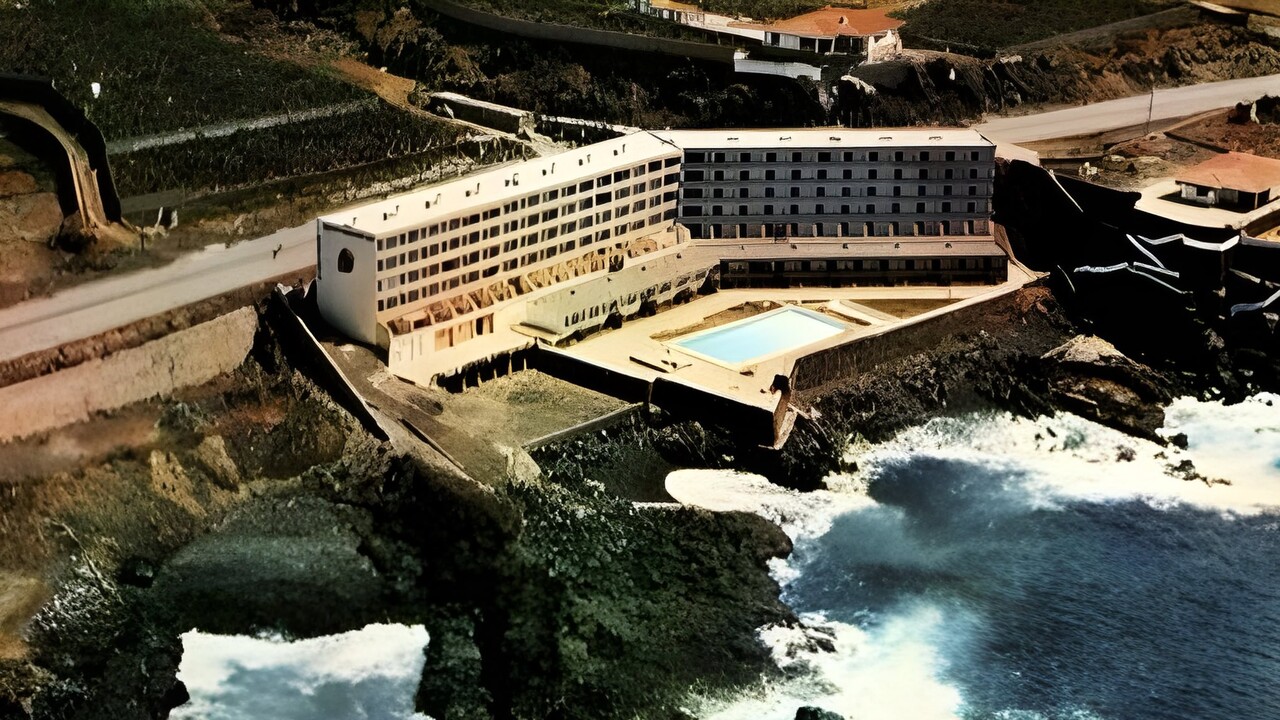
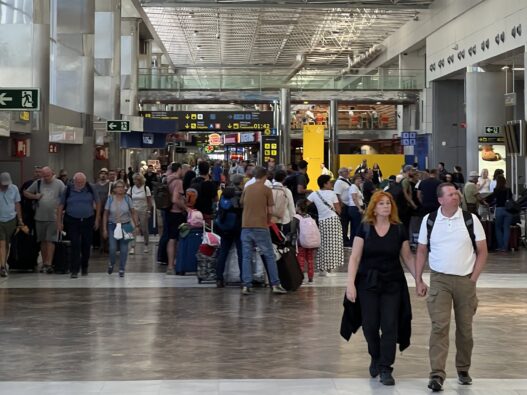
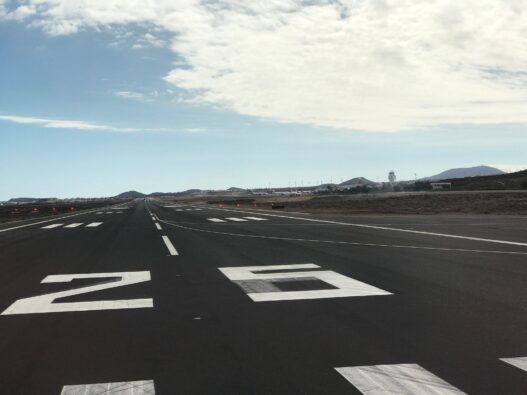
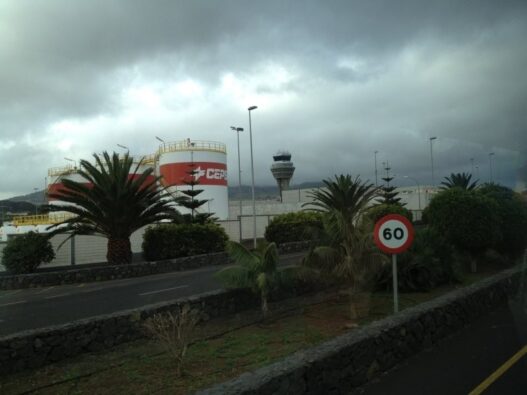
A new, large airport was also to be built, as Los Rodeos caused hearts to race every time a plane landed. In addition, flats were planned in Puerto de Santiago at bargain prices: 65 square metres, fully furnished, for 18,000 marks.
It was just a small village with a fishermen’s pub and a dusty track leading from the village to our flat. On the beach there was a wooden shack and a stone house. These were restaurants that made their living from island tours. And there were tours every day. From 2 pm onwards, it would go quiet again. The food was good, simple and very reasonably priced.
This is how people used to cheat the taxman in the Canary Islands
At Pablo’s, they’d say: «Come on over, have a look.» You’d go into the kitchen, the lids would be lifted off the pots, and you’d point at something. At Pancho’s, they’d ask: «Fish or meat?» For two people, they’d then charge ten to twelve marks for everything together. Spirits were cheap too. And the glass was almost always half full.
We made an effort to learn Spanish straight away back then. After all, we wanted to be able to chat to people. And besides, it’s a matter of courtesy to adapt.
We were surprised that, in new houses, one side was always left unpainted. It turned out to be a perfectly legal tax trick. Because that meant the house wasn’t fully built. And unfinished houses weren’t subject to tax. There was also a law stipulating that, in the event of death, only the children would inherit. The surviving spouse received nothing. Women were particularly disadvantaged here, as most of them had not learnt a trade.
Was there a positive side to the dictatorship in the Canary Islands?
Everyone could feel safe. If anything went missing, nobody took it. It was neatly set aside. Only in such a case does a dictatorship have something good about it. Gambling was, however, forbidden. The police came into the pub very often to carry out checks. There were always a few Germans who, of course, had money lying on the table. But naturally, there was always someone standing at the door keeping watch. Because the landlord would have been fined too.
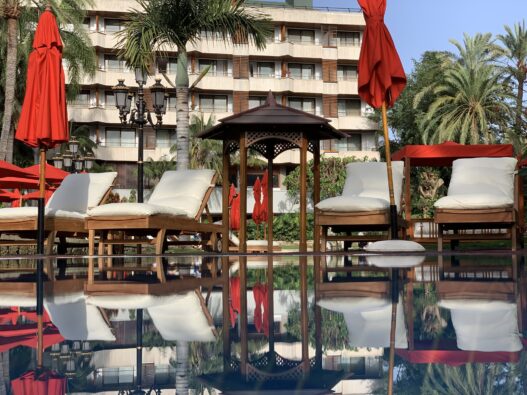
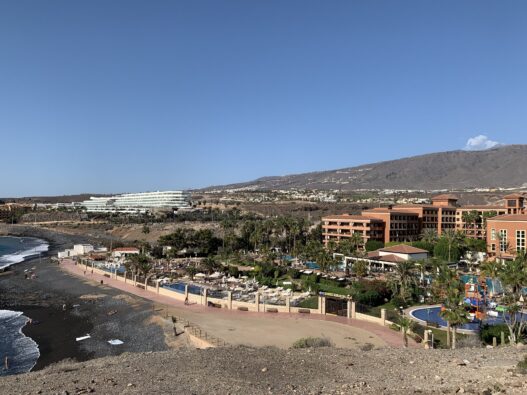
Today, there is hardly anything left to remind us of that time. This makes it all the more important to bear in mind that it was not so long ago – just a generation ago. Tenerife has changed rapidly. And for many, that change is perhaps happening a little too quickly.
Our reader correspondent, Marlis Zoschke, writes regularly about her experiences over many decades in the Canary Islands. You can find more articles here.

«An island of bliss? Tenerife has changed a great deal»
No comments on this article yet.