
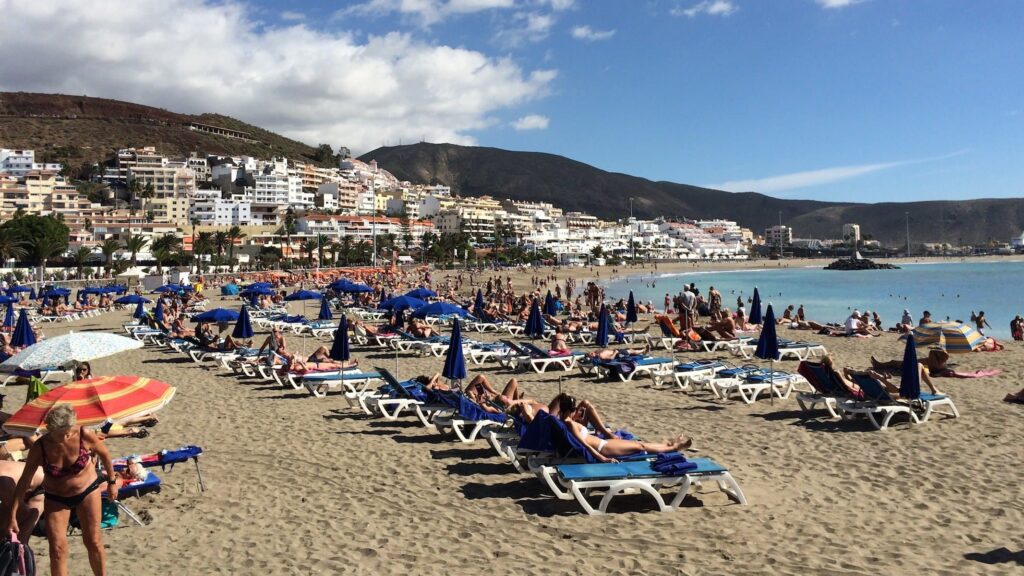
Tourism in the Canary Islands rose by just 0.3 per cent in July. One island actually saw a fall in visitor numbers. Nevertheless, it is important to take a closer look.

The airports in the Canary Islands are among the busiest in Spain and Europe, and their importance is growing year on year. In 2025, the archipelago’s seven airports handled a total of more than 54.7 million passengers, setting yet another record with a 3.6 per cent increase on the previous record-breaking year of 2024. Below you will find all the latest reports and analyses on the subject of airports and air traffic in the Canary Islands.
Tourism in the Canary Islands rose by just 0.3 per cent in July. One island actually saw a fall in visitor numbers. Nevertheless, it is important to take a closer look.
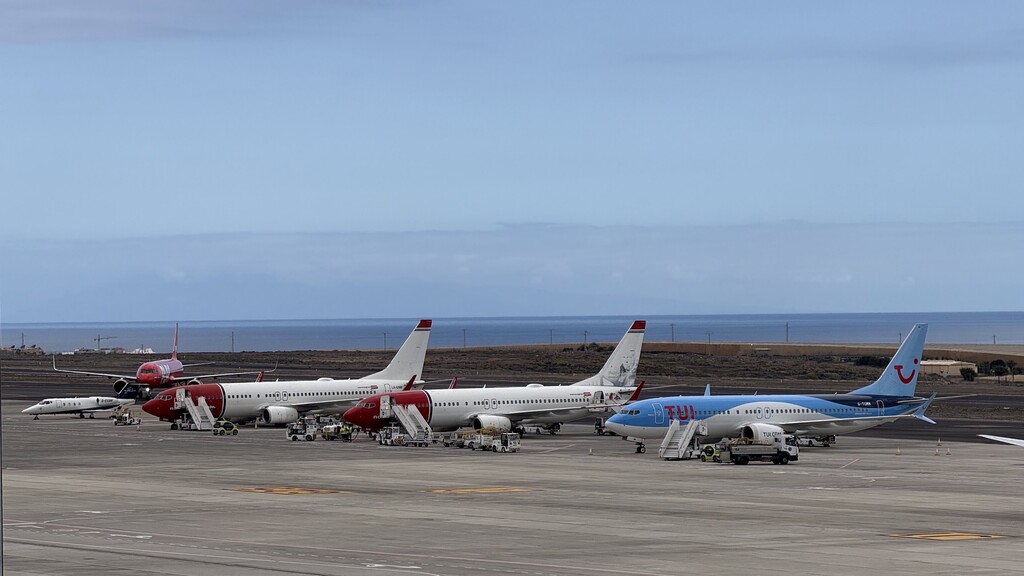
We have analysed 174 flight routes from the Canary Islands. This reveals a clear picture of which flight route is operated most punctually.
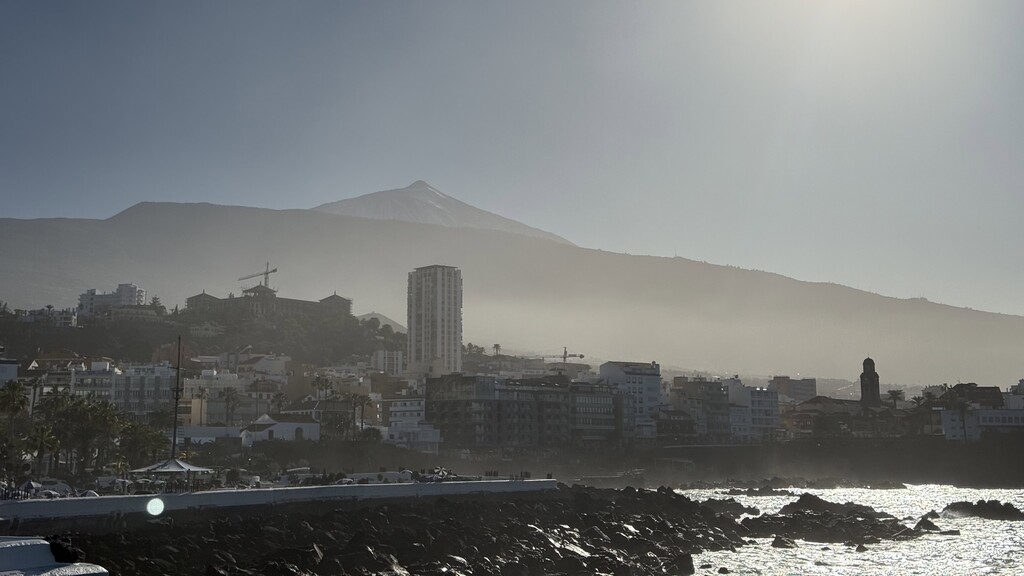
Mount Teide on Tenerife has caused thousands of earthquakes. It seems there's no need to be afraid. But it doesn't hurt to be vigilant!
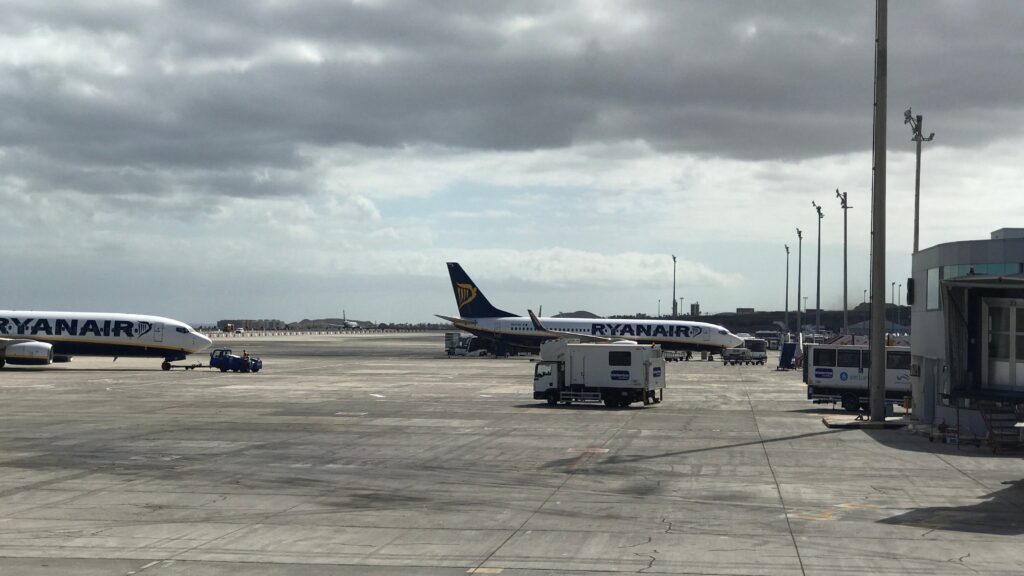
A chaotic day in Lanzarote ended with dozens of travellers missing their flights. The airline left the waiting passengers behind.
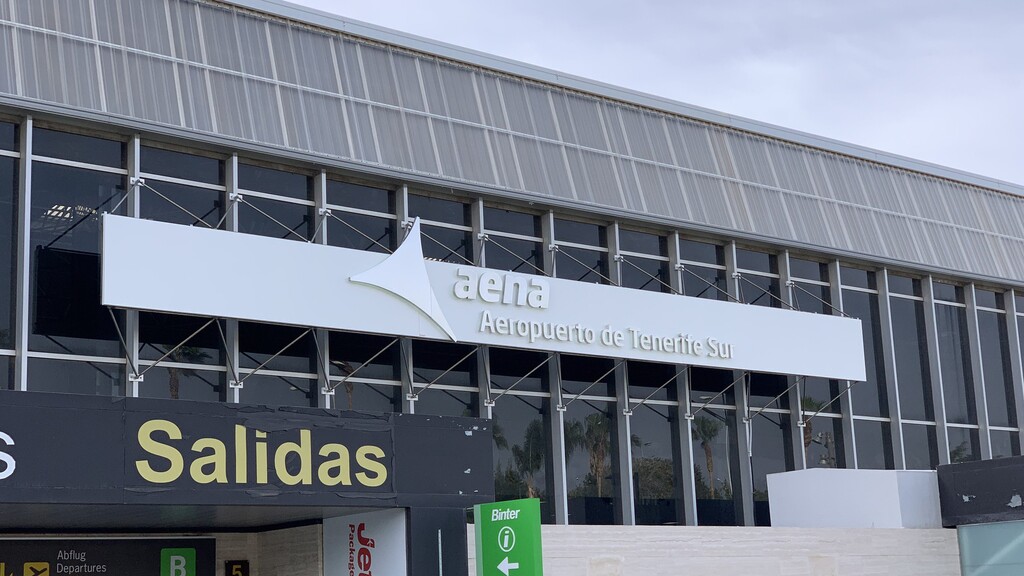
Aena plans to invest 13 billion euros. The company sees this as a necessary modernisation, whilst the Canary Islands' tourism sector faces significant disadvantages.
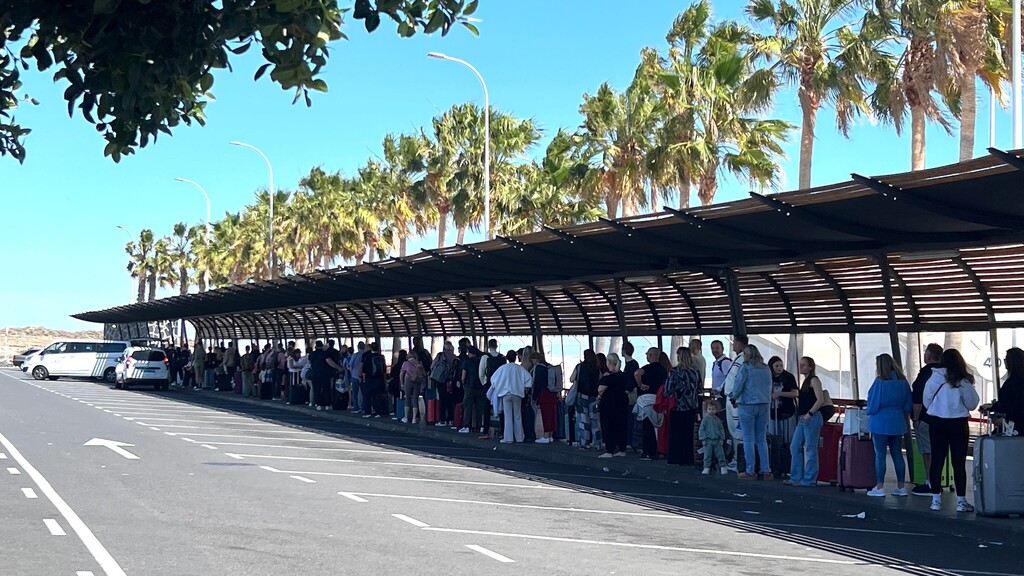
The situation on Tenerife is coming to a head once again. Hours-long waits at passport control and a shortage of taxis are drawing criticism.
The airports in the Canary Islands are among the busiest in Spain and Europe, and their importance is growing year on year. In 2025, the archipelago’s seven airports handled a total of more than 54.7 million passengers – a new record representing a 3.6 per cent increase on the previous record-breaking year of 2024.
There are countries that are tackling the tourism problem. The Canary Islands are dragging their feet on finding solutions, says our reader correspondent.

"Tourist go home" graffiti is causing outrage. But sometimes holidaymakers have only themselves to blame, says our writer. An opinion piece:

Our reader-reporter misses a neighbourhood on Tenerife which, although it still exists, has changed completely.
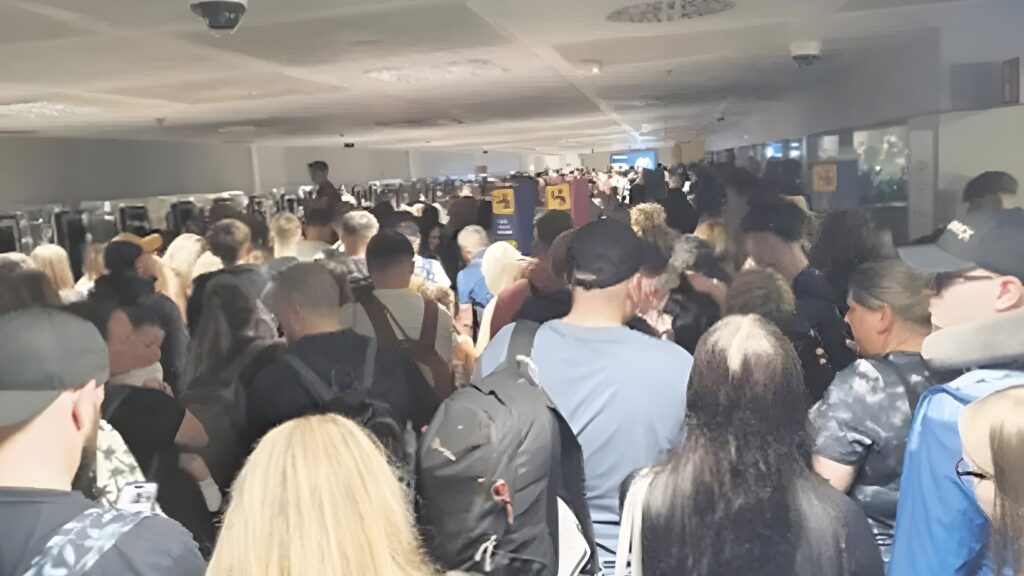
When it comes to investment, the Canary Islands are quick to make demands. But please, let's do that somewhere else.

Today, Tenerife South is synonymous with tourism. But how did this man-made resort come about? This is the story of Playa de las Americas and Costa Adeje.
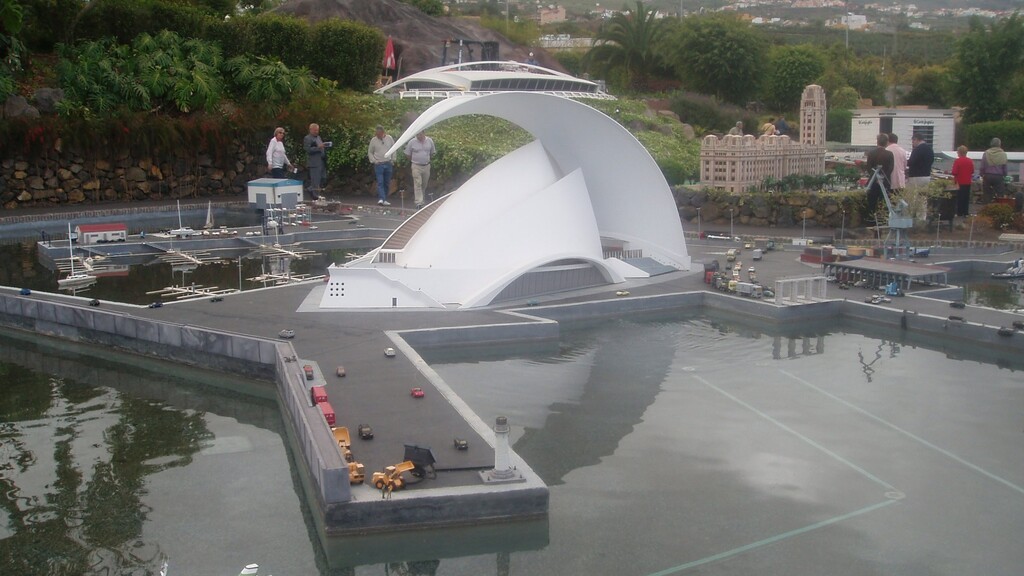
The whole of Tenerife on a scale of 1:25: visitors felt like giants in the heart of the Canary Islands. But the concept was a flop.
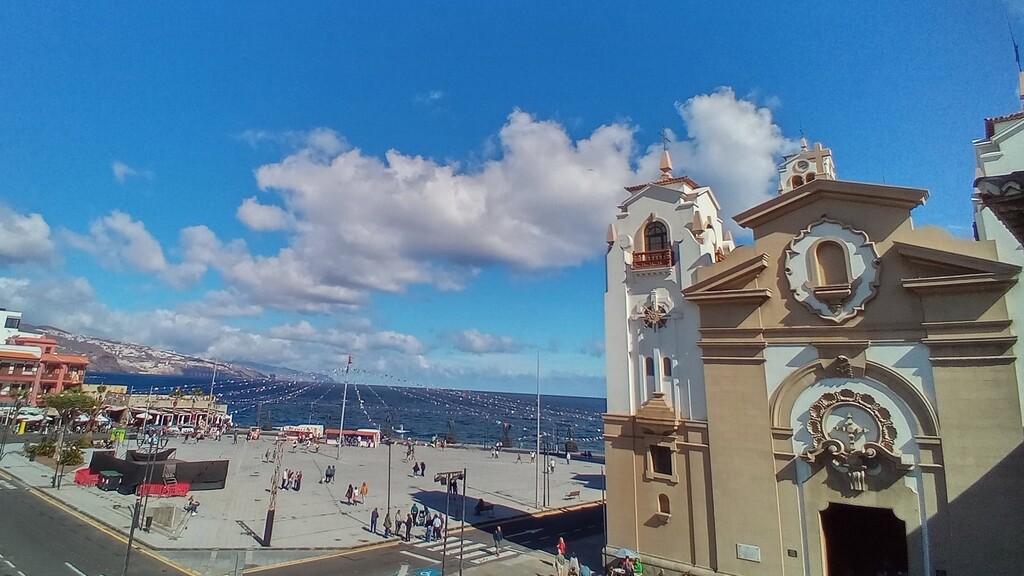
Candelaria is one of the most special places on Tenerife. We'll tell you what you shouldn't miss, and we've got plenty of photos and tips.

The Canary Islands and the US shopping capital will retain their direct flight. Tenerife South and New York will therefore remain connected.
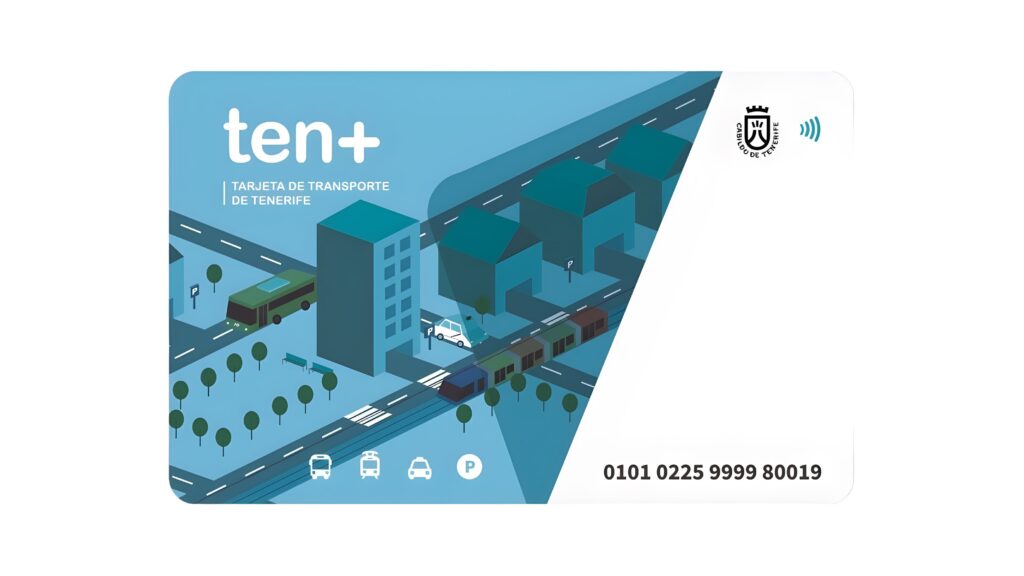
TenMas (or Ten+) is the name of the travel card that allows you to travel around Tenerife at a reduced rate. You can now find all the flat-rate fares and discounts here.
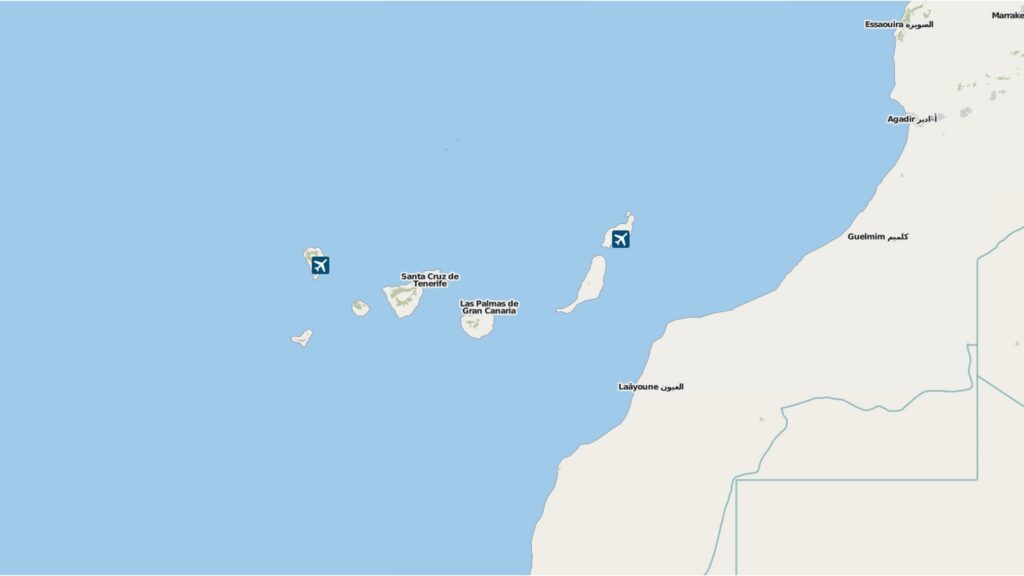
Where is Tenerife? Where does it get the most sunshine? And is there a clear map? What you need to know about Tenerife and your holiday.
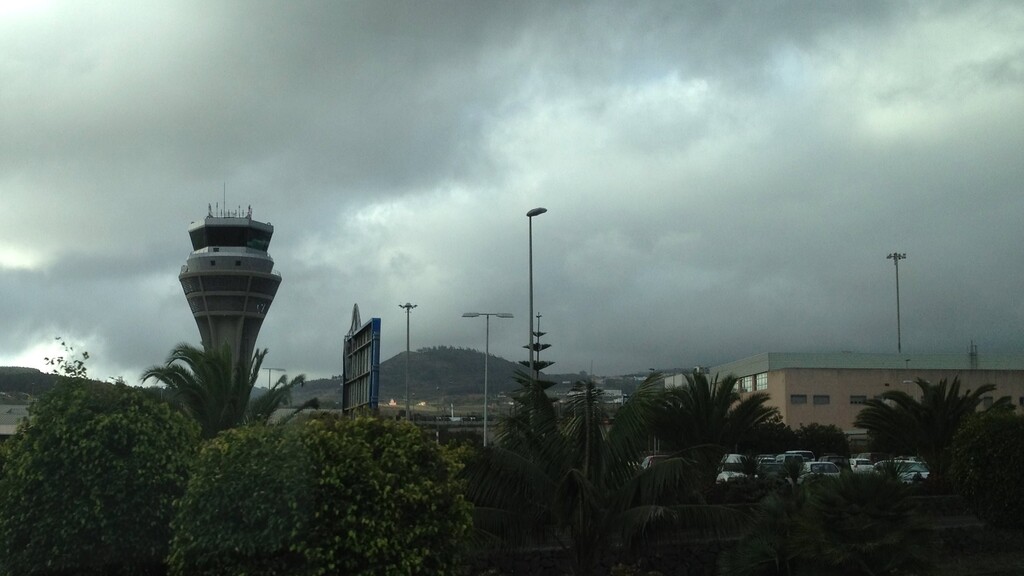
Los Rodeos: The name says it all. This Canary Islands airport is not for the faint-hearted! Here's how one regular passenger experienced it.
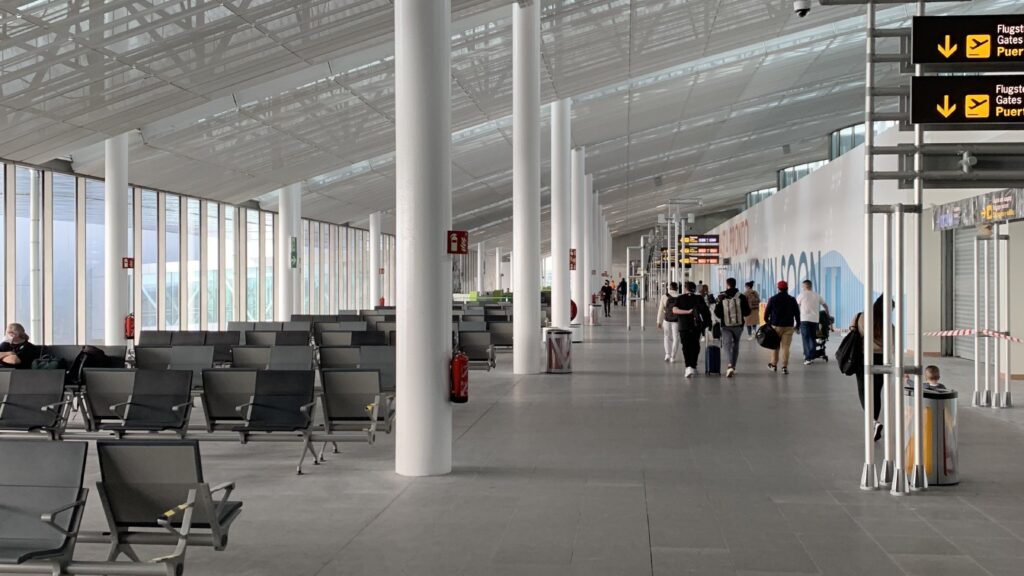
In our overview, you will find all the airport information as well as flight details for arrivals and departures at Tenerife South Raina Sofia Airport.

Uber, the taxi alternative, is launching in the Canary Islands. Initially, the ride-hailing service will be available in parts of Tenerife. The plan is to expand from there.

The hotels in Tenerife are as varied as the island itself. We have put together a few hotel recommendations for you.
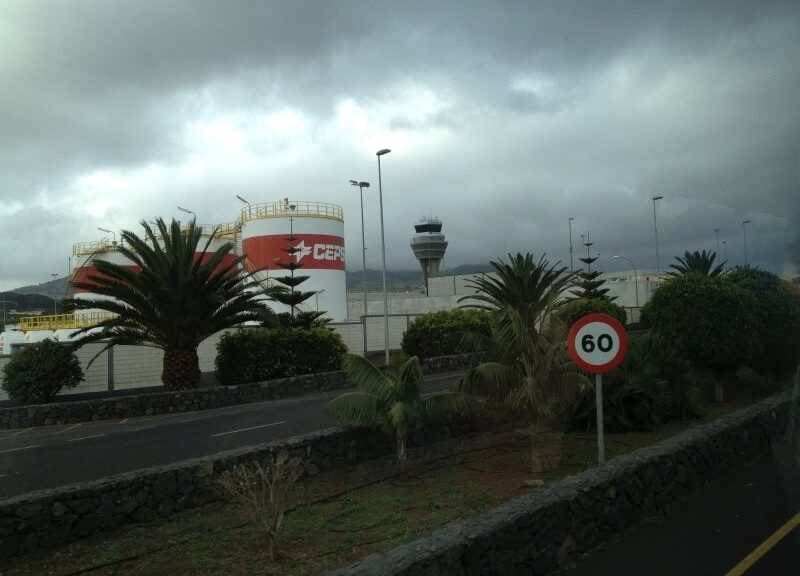
Tenerife North Airport is the smaller of the two airports on the Canary Islands. It gained notoriety in 1977. Find out more.
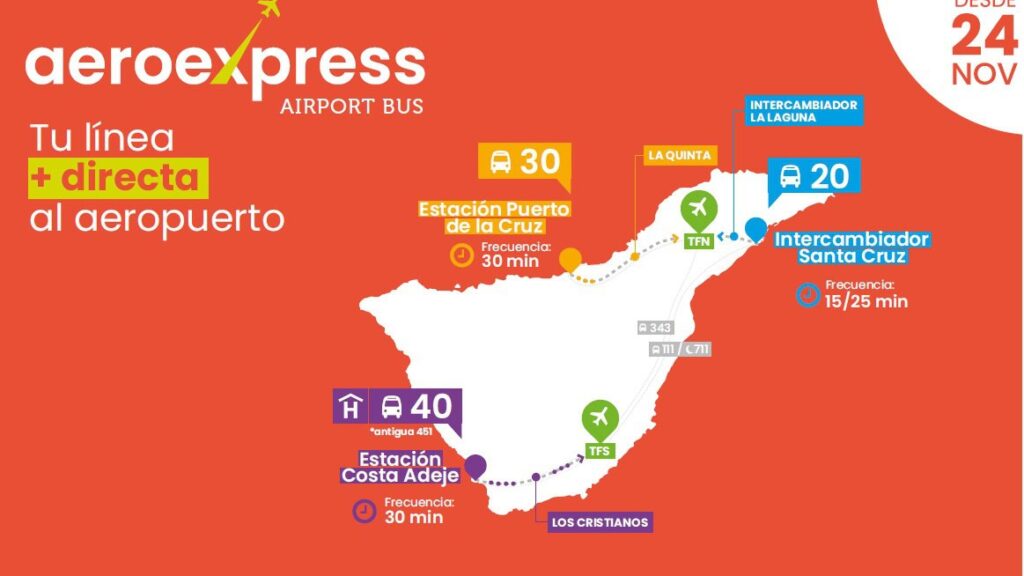
Tenerife has improved its public transport network for tourists with new bus routes. Here you can see how much the airport shuttles to TFN and TFS cost and when they run.
The airports in the Canary Islands are among the busiest in Spain and Europe, and their importance is growing year on year. In 2025, the archipelago’s seven airports handled a total of more than 54.7 million passengers – another record, representing a 3.6 per cent increase on the previous record-breaking year of 2024. The Canary Islands‘ airports thus account for more than 14 per cent of the total passenger volume on the Spanish Aena network. Whether it’s air traffic control alerts, closures due to severe weather, billion-euro investments in terminal expansion or the day-to-day operations of these Atlantic hubs, Tenerife News provides comprehensive coverage of everything happening at the airports in Tenerife, Gran Canaria, Lanzarote, Fuerteventura, La Palma, La Gomera and El Hierro.
Gran Canaria Airport (LPA) tops the rankings of Canary Islands airports: in 2025, it handled around 15.8 million passengers, an increase of four per cent. Close behind is Tenerife South Airport (TFS), known as Reina Sofía, which recorded just under 14 million travellers in 2025. This means that Tenerife as a whole – including the northern airport TFN, which accounted for 7.2 million passengers on its own – once again attracted the most holidaymakers of all the Canary Islands, with around 21 million travellers. Tenerife South Airport opened in 1978 and today has a nominal capacity of 12 million passengers per year, a limit that is regularly exceeded. It has 34 boarding gates and eight jet bridges. Lanzarote ranks third with around 8.9 million passengers, meaning this airport too has reached its official capacity limit of 9 million. In 2025, Fuerteventura recorded the strongest percentage growth of all the major islands, with an increase of 6.8 per cent to 6.9 million passengers. The airport operator, Aena, earns an average of 6.10 euros per passenger and achieved a net profit growth of more than 27 per cent in the first nine months of 2024 alone.
The historic passenger record – exceeding 50 million air travellers for the first time in 2024 – has ruthlessly exposed the capacity limits of the Canary Islands‘ infrastructure. Several airports are operating at or beyond their breaking point. The debate over billion-euro investments in terminal expansion is politically charged: On the one hand, there are the economic interests of the tourism industry; on the other, growing public resistance to further growth in tourism. Incidents such as air traffic controller strikes, weather-related closures caused by Calima storms or technical failures regularly lead to chaos at the airports and affect tens of thousands of travellers at once. Teneriffa News was the first German-language media outlet on the ground for many of these events and reported in detail on everything from closed runways to delays lasting several hours. In 2025, around 32.1 million travellers used international flight connections to the Canary Islands, an increase of 3.8 per cent. In the first ten months of 2025, 45.2 million passengers had already passed through Canary Islands airports, an increase of 4.6 per cent compared with the same period the previous year. All the relevant news, analyses and reports on air traffic in the Canary Islands are collected and updated on this page.