

By Monika Westhagen
Here in the Canary Islands, people observe the tradition of the Noche de Fina(d)os. The word derives from the Spanish verb ‚finar‘ (from the Latin ‚finis‘, meaning ‚end‘), which means ‚to end‘ or ‚to die‘. Here, the term refers to people who have reached the end of their lives.
A ‚finado‘ is therefore a dead person or the deceased, although here only the noun is used. The Canarians, on the other hand, omit the ‚d‘. The term dates back to the Middle Ages and is found mainly in old chronicles and church records. Today, the terms ‚fallecidos‘ or ‚difuntos‘ are used.
El Rancho de Ánimas
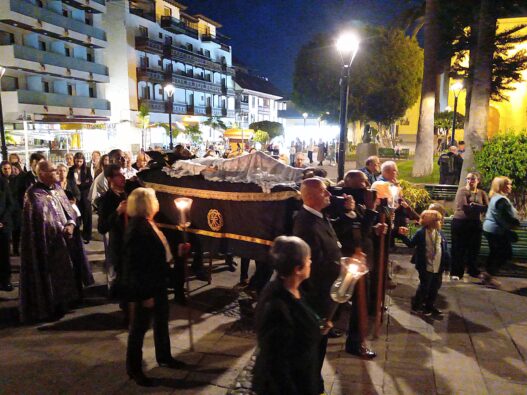
Another tradition is the Rancho de Ánimas, a religious and musical form of expression to mark All Saints‘ Day – or rather, the night before – combined with prayers, hymns and rituals for the soul. It is still practised in some small communities in the north.
With the doors open and the lights on,
this is how we welcome those from the afterlife.
With open doors and candlelight, we welcome our loved ones from the afterlife.
The door to remembrance is always kept open here. On this night, families display photographs of their departed loved ones, light candles and gather to share stories from their lives.
Don Juan Tenorio
Alongside the religious events, there are also numerous other traditional events and performances, such as the theatrical production of José Zorrilla’s classic, Don Juan Tenorio.
The noun ‚tenorio‘ is still used by the people of the Canary Islands today as a synonym for a Don Juan. Over the generations, there have been both ‚finados‘ and ‚tenorios‘. Everyone spoke in their own way about the same subject: how we deal with death and find ways to commemorate the deceased, with gratitude and without grief. We honour them by remembering them just as they were.
Chestnuts instead of pumpkin
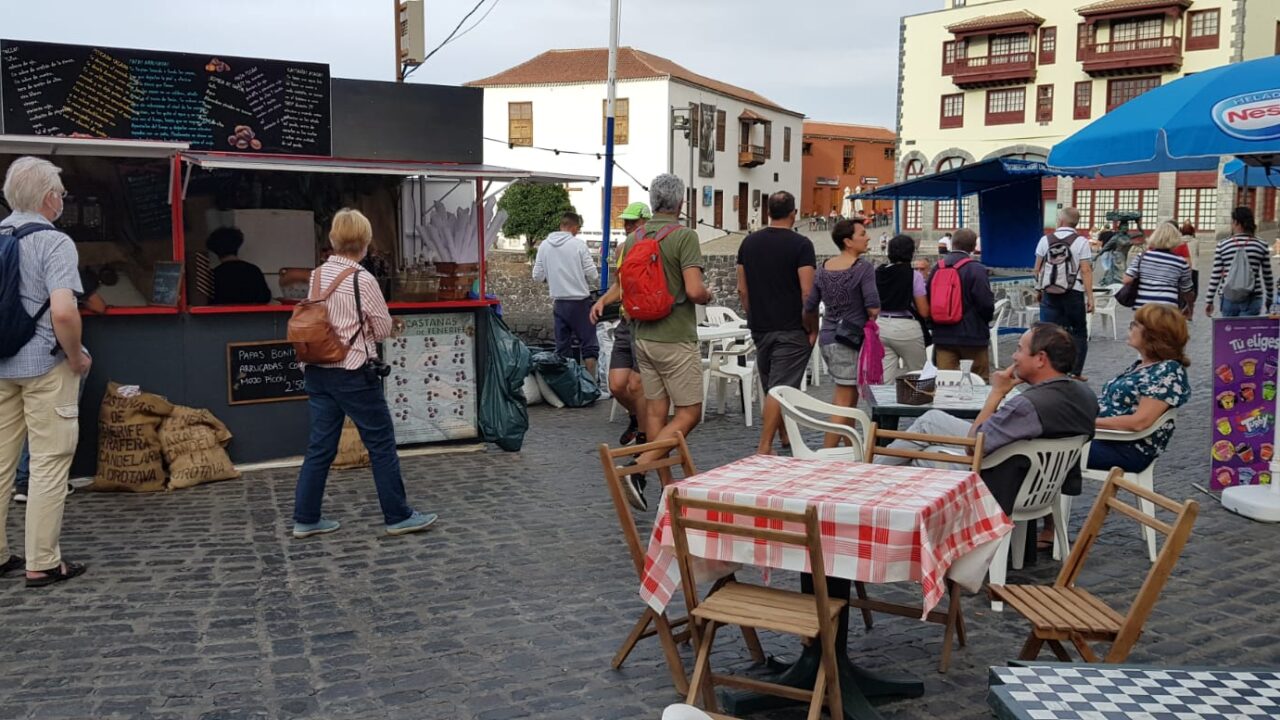
This night featured dishes typical of the island (buñuelos de viento y garañones: small cream puffs and a stew made from maize kernels) as well as roasted chestnuts or whatever was to hand in a rural household at the time, such as almonds, dried figs, olives or fruit.
Unfortunately, this tradition is increasingly being overshadowed by Halloween, but the Canarian will always prefer chestnuts to pumpkins and doesn’t see them as competition.


Comments (0)
No comments on this article yet.