


All over the world, small stone towers can be found in both busy public places and remote locations. Some are up to two metres high. They look as though they have been built to stand firm, but in most cases the stones have simply been stacked on top of one another and are held in place by gravity and their own weight. But what is the story behind these stone towers?
Stone cairns have been around for decades. They were originally created as signposts to mark a path. To this day, these cairns hold different meanings across various religions and cultures.
Cairns were already found in ancient Greece. What began as waymarkers evolved into cultural practices associated with Hermes. In Scandinavia, however, cairns were believed to protect against trolls. Walkers were advised to place another stone on top of every cairn they saw by the wayside to ensure they remained unmolested. This led to the creation of structures, some of them enormous – and to growing superstition.
What is the significance of the stone towers in the Canary Islands?
In the indigenous cultures of North America, on the other hand, cairns were erected at sites used for prayer; whilst in South America, the so-called ‚apacheta‘ marked paths leading to places of worship where the deity Pachamama could be honoured.
And in the Alps, particularly tall cairns are erected to mark out paths. They also sometimes serve as a substitute for a summit cross. There, however, the cairns are often secured with cement.
Stone towers can pose a threat to the natural environment
In Western cultures, by contrast, cairns have a less religious significance: there, they primarily symbolise a connection to a place. Anyone who feels particularly at home there or would like to return signals this by building such a stone structure.
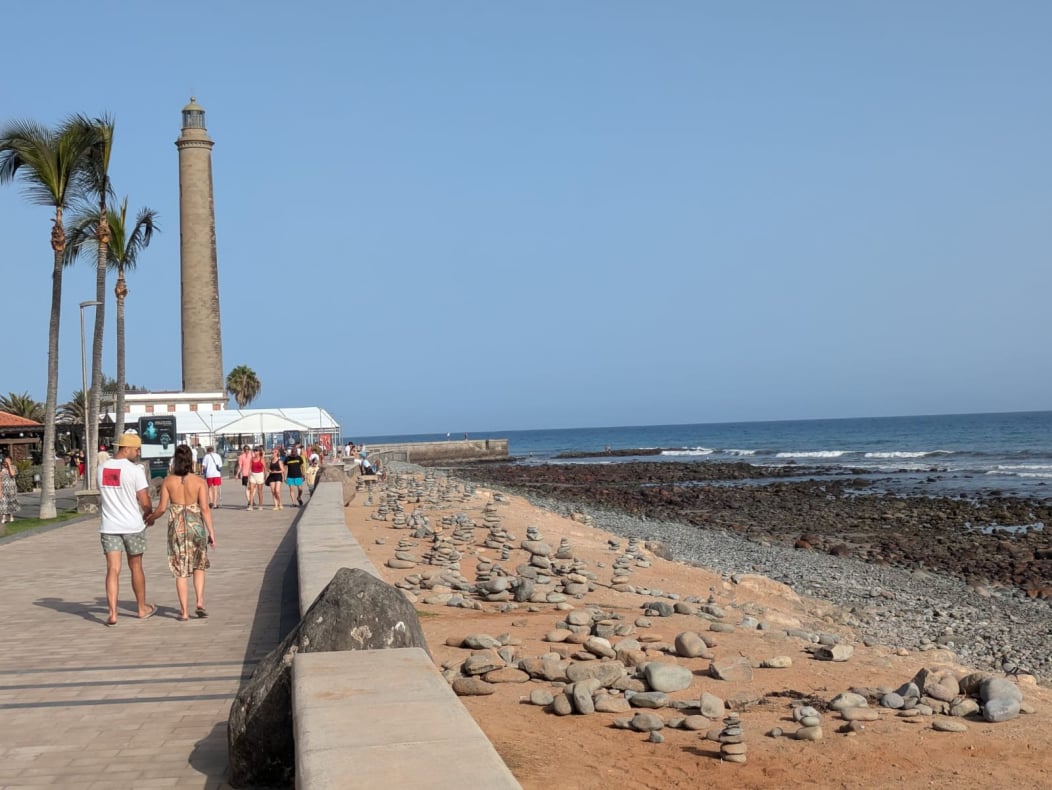
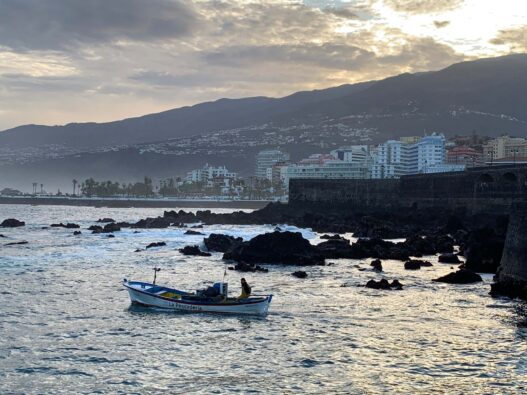
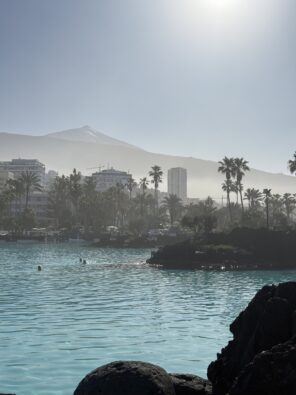
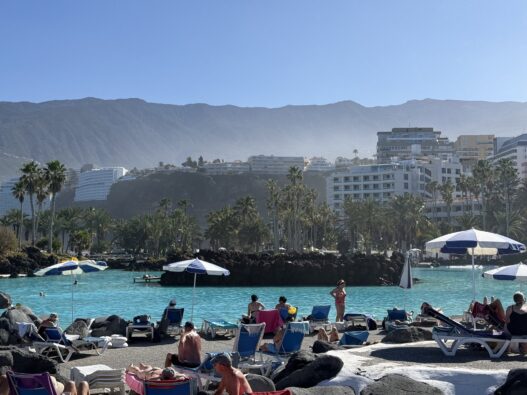
In some places in the Canary Islands, veritable fields of stone piles have sprung up. For example, there were hundreds of such stone piles next to the Playa Jardin and behind the Castillo San Felipe in Puerto de la Cruz on Tenerife. Over time, they have become a popular subject for photographs.
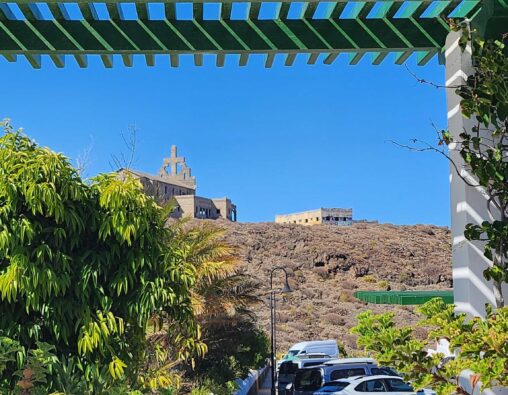
And these little stone towers are also very popular on Gran Canaria – as can be seen here on Boulevard Oasis in Maspalomas:
Tenerife has stone towers removed
In the meantime, many of the towers have been dismantled, at least in Puerto de la Cruz. For whilst the stone towers may be a sight to behold for some, the construction of entire fields of stone towers can pose a problem for the natural environment. This is because, for some animal and plant species, they represent a threatening intrusion into their natural habitat. Consequently, the town council commissioned the dismantling of the stone towers.
Despite the dismantling, new stone turrets have long since begun to appear once more in Puerto. And more and more of them are springing up elsewhere too. However, it is only a matter of time before action is taken against them again. With nature in mind, we therefore urgently request that no further stone turrets be erected in the Canary Islands!
You can find out what you can do instead in our travel guide here, for example.

«Stone towers in the Canary Islands: their significance and origins»
No comments on this article yet.