

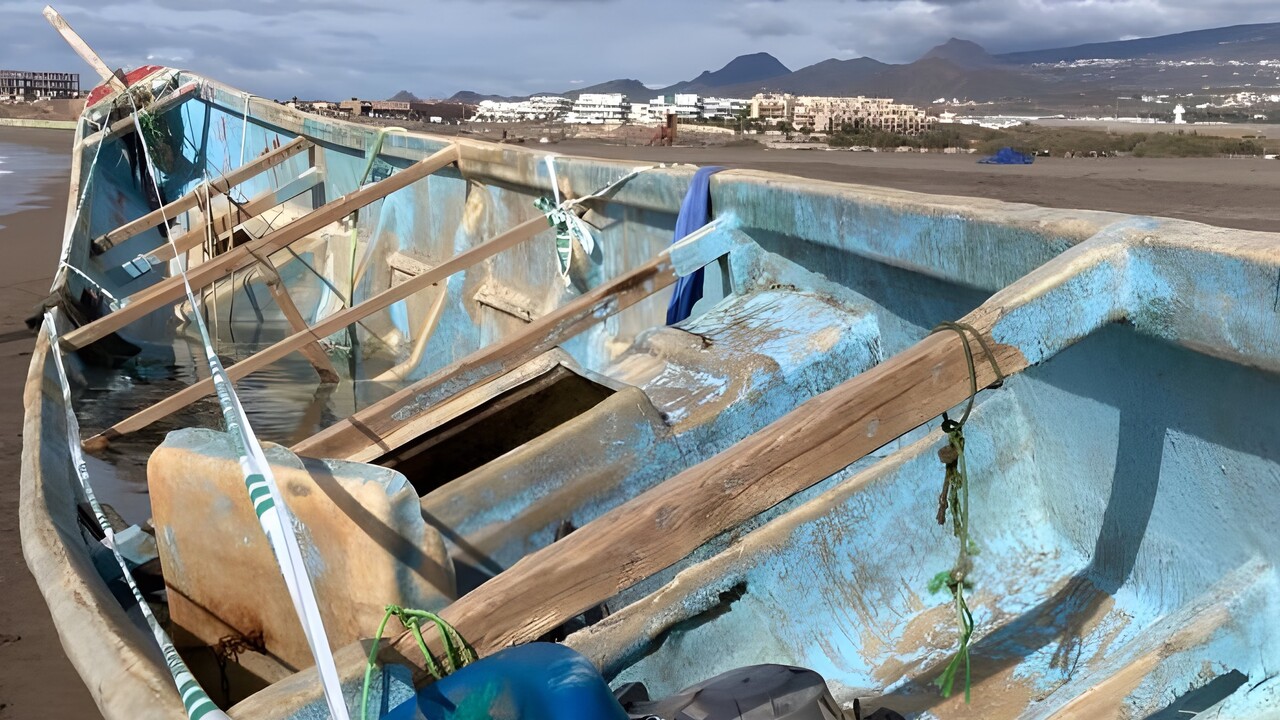
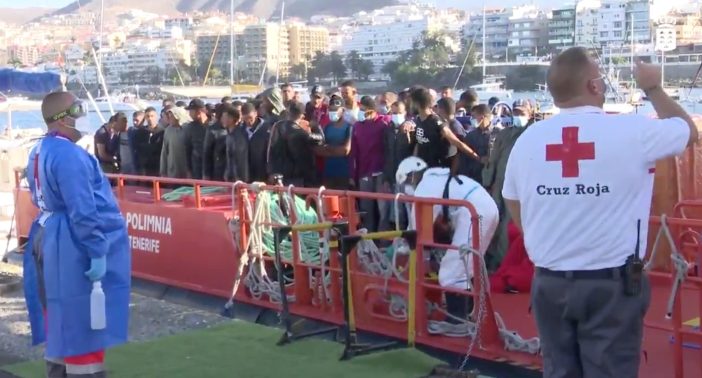
The Spanish Ministry of the Interior has published statistics on migrant arrivals. According to these figures, 4,808 people arrived in the Canary Islands by sea. This was 59.5 per cent fewer than in the same period last year.
Previously, 11,883 people had been counted as having reached the Canary Islands. The number of boats also fell significantly. In the same period last year, there were 196; most recently, 64 were counted.
Across Spain, the Ministry recorded 19,972 irregular entries between 1 January and 15 August. This, too, represented a decline. In the previous year, the figure had been 22,040 people – 10.4 per cent more migrants and refugees than in 2026.
Migration to the Canary Islands and Spain mostly by sea
Across Spain, 14,411 people were counted arriving by sea. In total, 599 makeshift boats have been used for this purpose so far. In the North African exclaves, the number of arrivals rose significantly. In Ceuta, the authorities counted 5,013 people, which is 191 per cent more than the 1,722 recorded the previous year. In Melilla, the figure was 548 instead of 166 (+230 per cent).
The mass border crossing on 30 and 31 July is not included in these figures. The Spanish Government reported that more than 70,000 people arrived in Ceuta over those two days. According to the report, around 5,000 of them remain in the autonomous city. The Ministry of the Interior stated that the data would need to be analysed in more detail.
Ceuta steps up support for migrants
Health centres in Ceuta are not overwhelmed, despite the situation having been critical at times, said Health Minister Mónica García. On the first day of the border crossing, doctors treated 1,149 people; the following day, the figure was 193. The University Hospital in Ceuta increased its capacity to 212 beds. Of these, 101 are currently occupied, with fewer than 30 of those being migrants, it was reported.
Meanwhile, the people who have arrived continue to camp outdoors. In the Naves de El Tarajal, it is mainly Moroccan families with their children who are living in self-built huts. According to the Ministry of the Interior, those at Playa de El Trampolín are predominantly migrants from sub-Saharan countries. There is no permanent police or military presence there.
The organisation Médicos del Mundo did not begin treating the people in El Tarajal until Saturday, 16 days after they had crossed the border. The government is also setting up four humanitarian care centres in Ceuta to accommodate 1,500 migrants.
Meanwhile, 4,433 people arrived in the Balearic Islands by sea. That was 110 more than the 4,323 recorded the previous year. On the Spanish mainland, arrivals by boat rose to 5,152 (+1,224 or 31.16 per cent). According to the National Statistics Institute (INE), the difference between the number of people moving into and out of the Canary Islands stood at 27,770 in 2024. This was 12.1 per cent fewer than in 2023.




«Canary Islands: 60 per cent fewer migrants, but the number in Ceuta has tripled»
No comments on this article yet.