

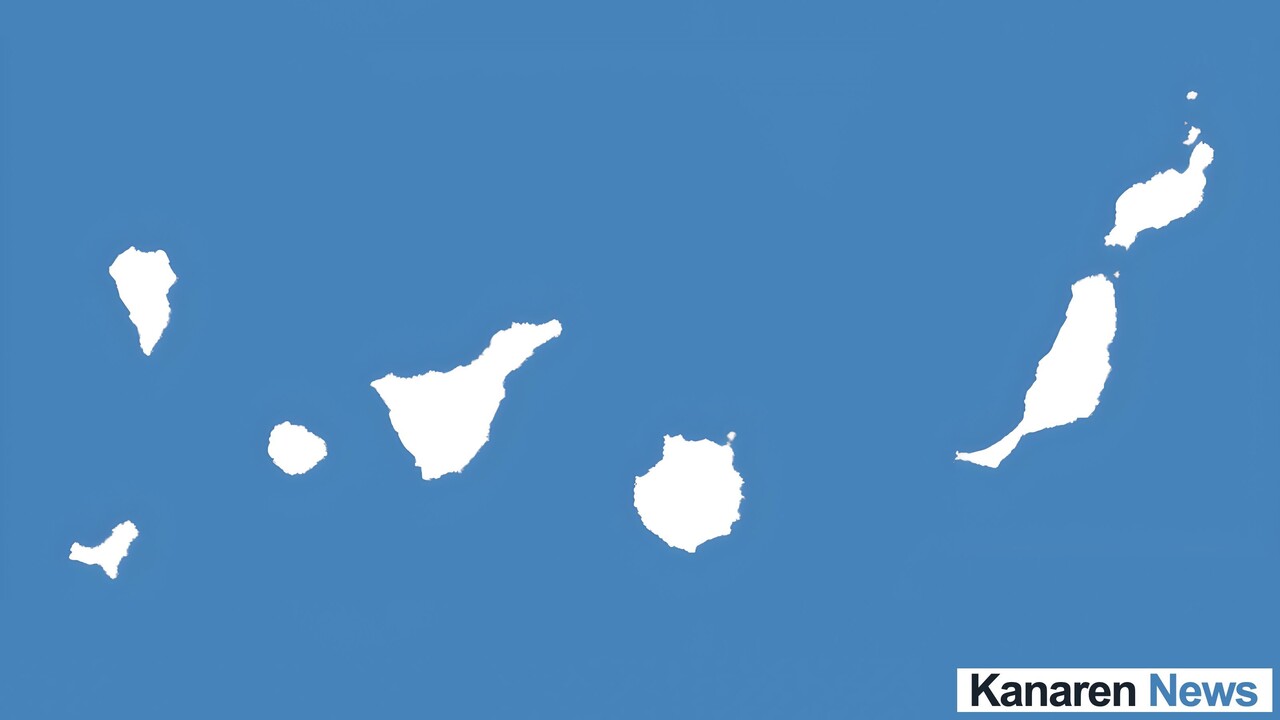
Last week, the Canary Islands sourced just 5.4 per cent of their electricity from renewable sources. That is a drop of twelve percentage points on the previous week, when renewables had reached 17.3 per cent, according to data from the grid operator Red Eléctrica (REE) for the seven days up to Tuesday.
On no single day did the islands reach a double-digit figure. Red Eléctrica reported the highest figure for Monday, at 7.3 per cent. On average over the week, 94.6 per cent of the electricity consumed came from non-renewable sources.
At the end of August, the share was significantly higher. At that time, the share of green electricity in the Canary Islands plummeted from 29.9 to 20.7 per cent within a week. In the following week green electricity generation recovered to an average of 28.5 per cent, reaching 38.2 per cent on a single day on 28 August. The current weekly figure is less than a fifth of this average.
Renewable energy in the Canary Islands: 2030 green electricity target still a long way off
The Canary Islands government aims to meet at least 58 per cent of its electricity consumption from renewable energy sources by 2030. Last week’s figure represents less than a tenth of that target. Offshore wind farms and additional energy storage facilities are considered necessary to achieve this goal. In the south of Tenerife, a solar storage plant is being built in Adeje, which is intended to increase the island’s share of green electricity and thus raise the Canary Islands‘ average.
The amount of electricity available is increasing. According to the ISTAC statistics office, 328,047 megawatt-hours were available in Tenerife in September, five per cent more than in the same month last year. On Gran Canaria, the electricity supply is still awaiting an power-generating vessel, the arrival date of which is yet to be confirmed.



Comments (0)
No comments on this article yet.