

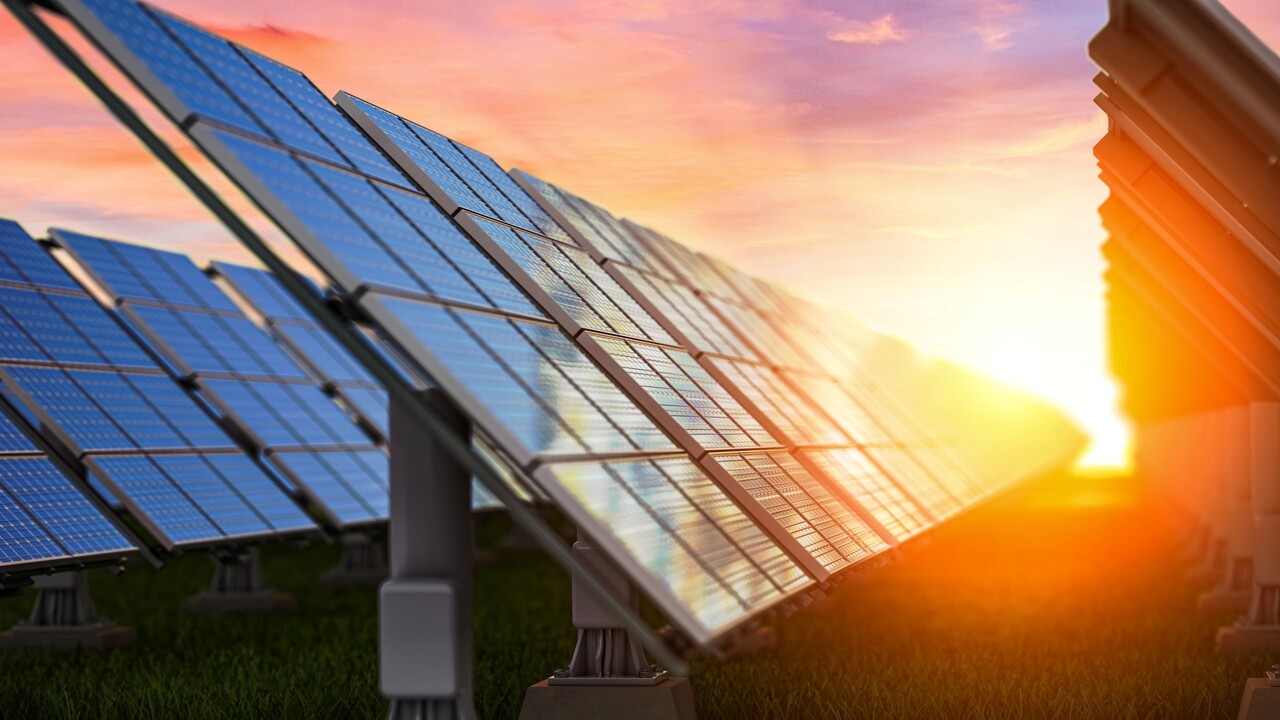
In the Canary Islands, significantly less electricity has been generated from renewable energy sources over the past week. By Monday, the share of green electricity had fallen from 29.9 per cent to 20.7 per cent of the islands‘ consumption compared with the previous week. This is according to data from the electricity generator Red Eléctrica.
Accordingly, the highest figure for the previous week was recorded on 21 August. On that date, exactly 30 per cent of the electricity generated came from solar and wind power, as well as other renewable energy sources.
However, even this peak day last week only recorded figures in line with the previous week’s average. At the end of July, the islands had reached an exceptionally high share of green electricity for recent months on a single day.
Tenerife is building a huge solar storage facility for renewable energy
Since 1 July, the electricity grids of Tenerife and La Gomera have been linked via an undersea cable. The project has broken several records and ensures that the islands can support one another in the event of outages and exchange renewable energy during peak periods.
In addition, a further facility is planned in the south of Tenerife, which is intended to increase the proportion of green energy: a solar storage facility is being built in Adeje. This is expected to significantly increase the proportion of renewable energy on the island and, consequently, the average proportion across the Canary Islands.
The extent to which generation is currently fluctuating was already evident in the first half of August, when the share of green electricity in the Canary Islands fell noticeably. Meanwhile, consumption continues to rise. On Tenerife, 290,637 megawatt-hours were available in June, which was 1.7 per cent more than a year earlier, according to the statistics office ISTAC.
In order to achieve the targets it has set itself – to generate at least 58 per cent of electricity consumption from renewable energy sources by 2030 – offshore wind farms off the coast of the Canary Islands and additional energy storage facilities on the islands should also be developed.



«The Canary Islands' share of green electricity continues to plummet»
No comments on this article yet.