

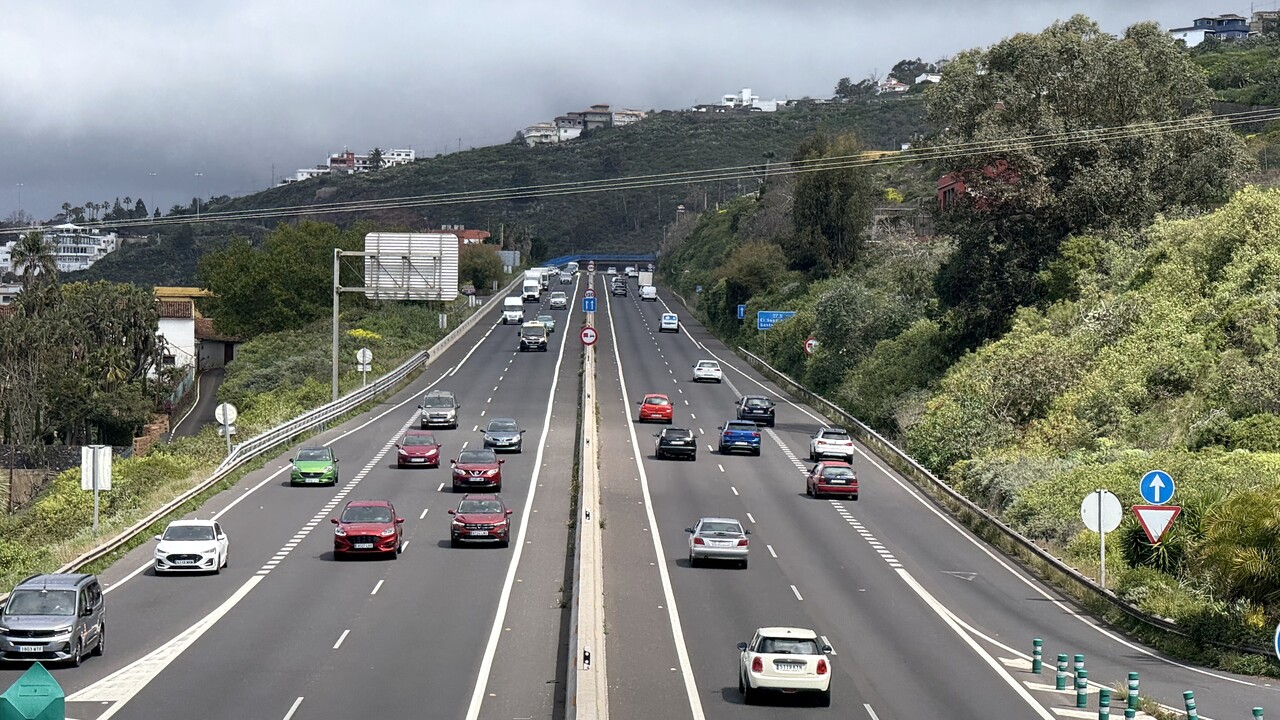
The Canary Islands will introduce new traffic regulations from 1 October. The aim of the Spanish traffic authority in implementing this nationwide reform is to protect so-called ‚vulnerable road users‘. These include, above all, pedestrians and cyclists.
The biggest change concerns overtaking cyclists. An example from Mount Teide on Tenerife (see end of text) has shown just how dangerous overtaking manoeuvres by motor vehicles can be for cyclists. The Spanish transport authority is now taking action on this.
The new regulation stipulates that a minimum distance of 1.5 metres must be maintained when overtaking a cyclist. If there is more than one lane in the same direction, the vehicle must change lanes completely. If this is not possible, overtaking is strictly prohibited. And that’s not all:
The Canary Islands will have new traffic rules from October
In addition, there is a requirement regarding the maximum speed. When overtaking cyclists or pedestrians on the road outside built-up areas, drivers must reduce their speed. The requirement is to drive at least 20 kilometres per hour below the maximum speed limit. So, if the speed limit is 80 km/h, overtaking must be carried out at a maximum of 60 km/h. Drivers must not merge back into traffic until they are at least five metres away from the road user they have overtaken.
Electric scooters, known as e-scooters, may only be ridden by those aged 15 and over. In addition, wearing a helmet will be compulsory in future. Furthermore, lights must be switched on at all times, and riders must signal lane changes using hand signals.
Reflectors are also compulsory when riding at night. All riders must then wear high-visibility vests. These must be visible from a distance of at least 150 metres. Furthermore, local authorities will be allowed to ban e-scooters entirely in certain areas.
New rules for motorcyclists and emergency lanes
From now on, anyone riding a motorbike must wear protective gloves. In addition, footwear that does not fully cover the foot is prohibited. Both rules apply to country roads and motorways. Riders of mopeds and two-wheelers with an engine capacity of up to 125 cubic centimetres must, in future, wear certified helmets. This brings the rules for all motorised two-wheelers into line. Moped riders have a one-year transition period to obtain this equipment.
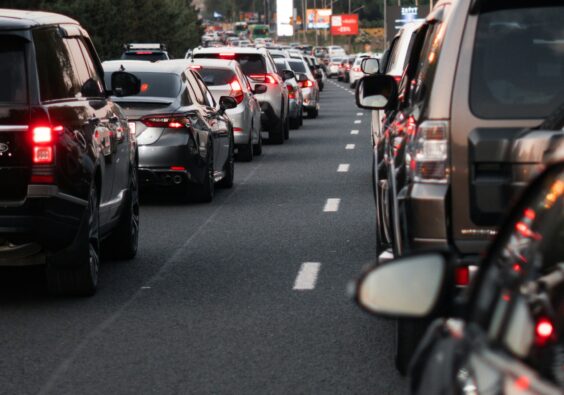
In the event of a traffic jam, it will in future be compulsory to form an emergency corridor on country roads and motorways. Until now, this traffic rule – which is mandatory in Germany, for example – has not existed in Spain. Where there are two lanes in the same direction, the emergency corridor in Spain is formed in the centre. Vehicles in the left-hand lane must therefore move to the left, and those in the right-hand lane to the right. Where there are more than two lanes, the emergency corridor is formed to the right of the left-hand lane. This means that the emergency corridor rule is equivalent to the German one.
In future, cyclists will be allowed to overtake on both the right and the left. This is intended to improve safety, as it means they will no longer be forced to overtake close to oncoming traffic. Cyclists will also be allowed to weave their way past stationary traffic at traffic lights or in traffic jams. Children and young people under the age of 16 are required to wear a helmet in built-up areas; outside built-up areas, this requirement remains in force for all cyclists.



«Canary Islands traffic rules you need to know from October»
No comments on this article yet.