

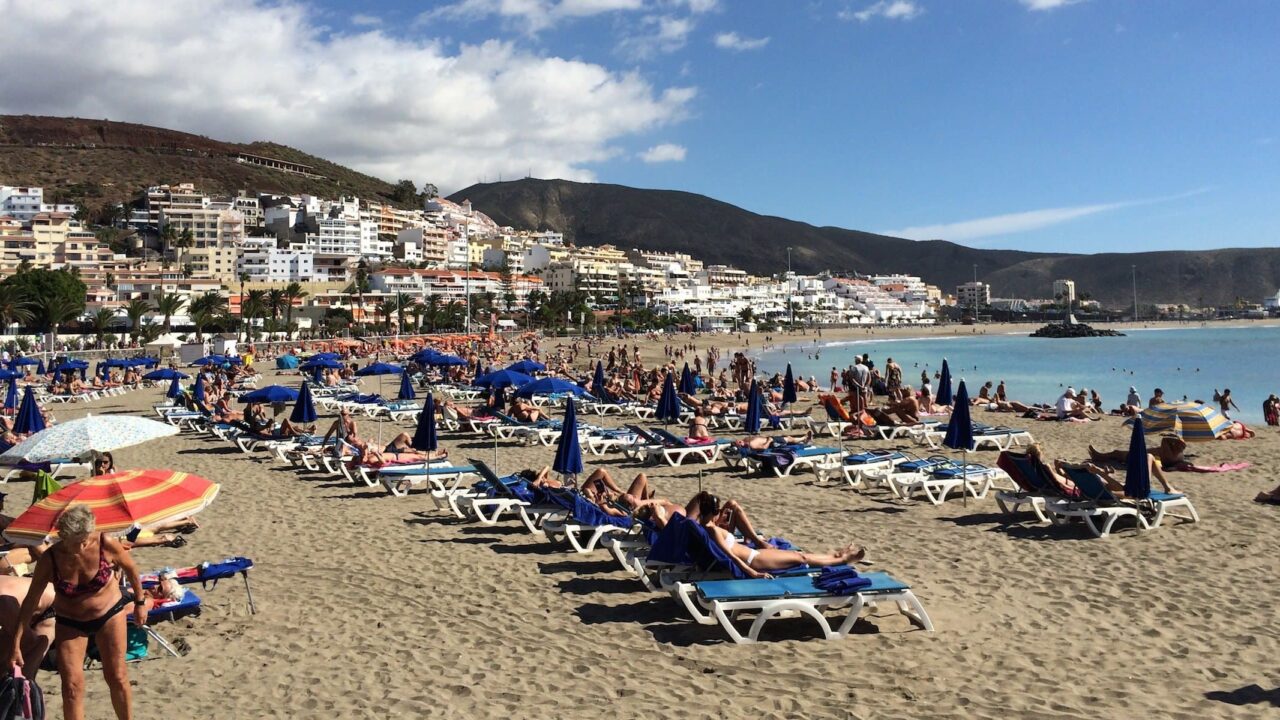
Tenerife welcomed 3.2 per cent fewer international passengers in July. In Gran Canaria, the figure rose by 4.8 per cent in the same month. For the Canary Islands as a whole, the statistics office ISTAC recorded 1.27 million international arrivals. This was 0.3 per cent more than previously.
Despite the slower rate of growth, July recorded the highest figure on record. The figure for this month has never been higher since 2004. In the same month last year, the number was also 1.27 million arrivals (rounded), although in absolute terms there were around 3,700 fewer tourists. Compared with January 2004, when records began, the figure is now 48 per cent higher.
The seasonal surge was substantial: from June to July, arrivals rose from 1.07 to 1.27 million – an increase of almost 19 per cent. The figures for the first seven months, however, point in the opposite direction, suggesting that the period of unchecked growth may be coming to an end.
Canary Islands in the red after seven months
From January to July, arrivals totalled 9.21 million. This was 0.7 per cent less than in the same period last year. Consequently, the Canary Islands are down year-on-year after the first seven months. June was also a weaker month: ISTAC figures show that 1.1 million foreign tourists visited the Canary Islands. This was 2.7 per cent fewer than a year earlier.
The price level was recently cited as the reason for the lack of visitors from Germany. The decline in the number of German holidaymakers in the Canary Islands coincided with prices that have risen by between 25 and 50 per cent compared with pre-pandemic levels.
At the same time, observers see the decline in visitor numbers as a relief. Previously, many local residents had complained about crowded streets and displacement effects. An anti-mass-tourism movement had also emerged as a result of this unconditional pursuit of growth.
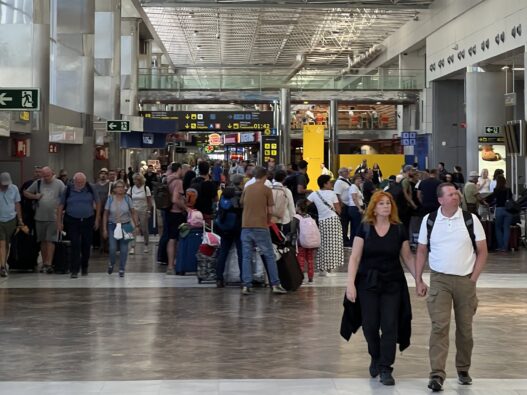
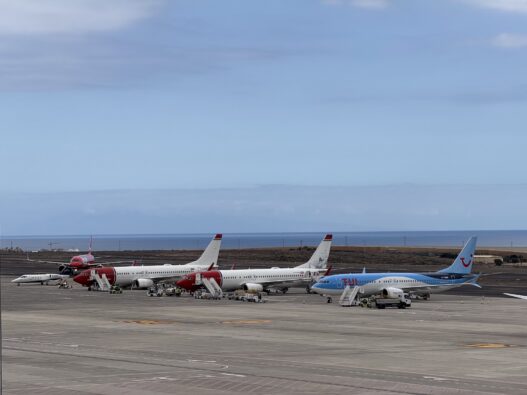
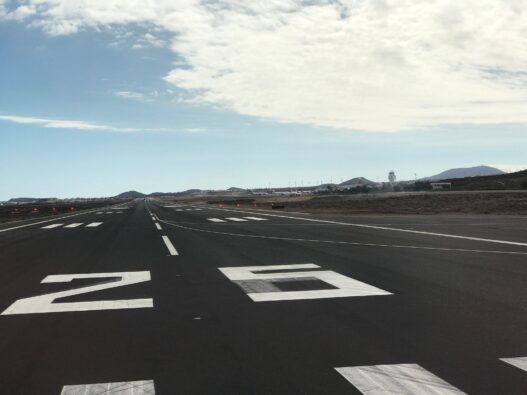
As of Saturday, the official register of the Canary Islands Tourism Board lists 72,559 holiday accommodation units with a total of 308,389 guest beds. In Tenerife, the renovation of Tenerife South Airport is imminent. Gran Canaria’s airport has recently risen significantly in the Spanish airport rankings. So even though growth has been tempered, the Canary Islands are currently making extensive preparations to remain a destination for mass and package tourism for the time being.






Comments (0)
No comments on this article yet.