

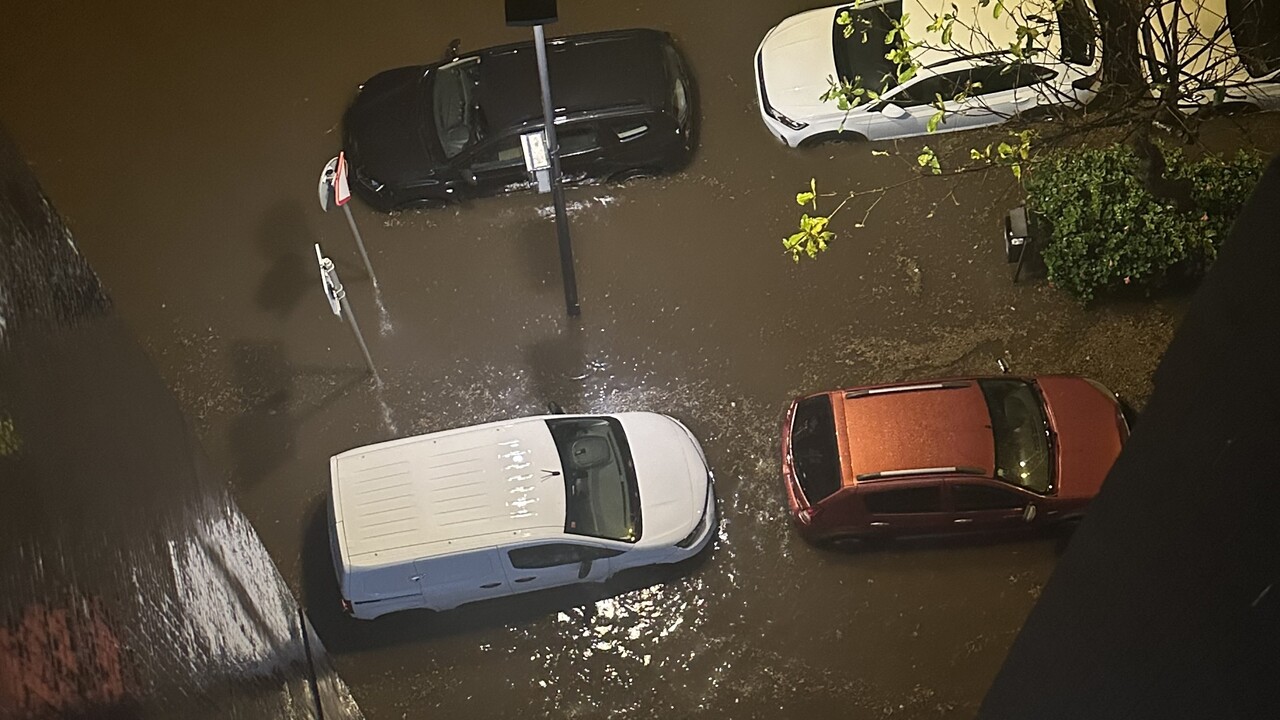
Many places in the Canary Islands do not experience any rain at all during the summer months. The situation is different in winter. To avoid any nasty surprises then, the Canary Islands government is now having ravines and areas at risk of flooding inspected.
On Wednesday, the relevant ministry convened the Technical Committee for two emergency plans. The officials responsible for the Special Plan for Adverse Weather Conditions (Pefma) and the Special Plan for Flood Risks (Peinca) are to work together to ensure the best possible preparedness. Marcos Lorenzo, the Deputy Minister responsible for emergencies, chaired the meeting. Fernando Figuereo, the Director-General for Emergencies, also attended.
Technical representatives from the state meteorological agency Aemet, the Government Delegation for the Canary Islands, the Island Councils, the islands‘ water councils and the Directorate-General for Water were also present at the meeting. They were joined by the departments for Social Affairs and Education, as well as other members of the committees convened. And this is what they want to do better together this time:
The Canary Islands are using Storm Therese as a benchmark for disaster management
At the meeting, the water councils of the individual Canary Islands outlined the maintenance, cleaning and improvement work on riverbeds that had already been carried out. They also discussed the work still to be done and the needs identified in the individual areas.
«The onset of the rainy season calls for an up-to-date picture of the condition of our riverbeds and barrancos, the measures that have been implemented, and the areas requiring particular attention,» said Lorenzo. Those involved updated the data on the areas at risk of flooding accordingly. Based on these reports, the relevant experts in their respective fields determined which sections would require particular monitoring in future.
The committee took the opportunity to discuss the meteorological and climatological outlook for the coming months. In doing so, they considered possible scenarios involving heavy, prolonged rainfall.
One of the reference points was Storm Therese in March. The storm had brought so much rainfall to the Canary Islands that numerous towns were flooded. Lorenzo said that this was one of the reasons why the authorities would not be starting from scratch. Furthermore, the islands now have planning tools at their disposal and risk zones that have already been identified.
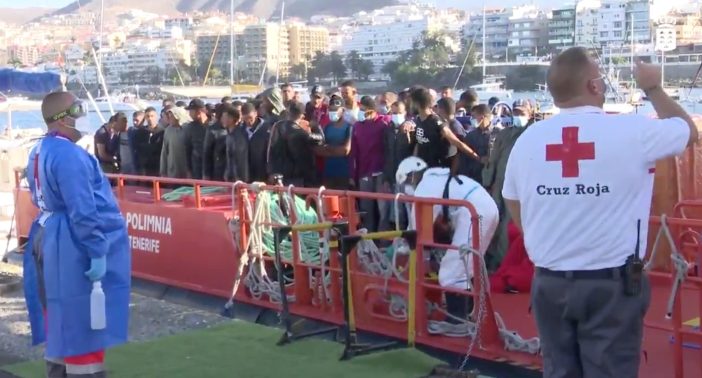
The Pefma emergency plan is also in use outside the rainy season. Together with data from the Spanish Meteorological Agency (Aemet), it formed the basis for emergency alerts, such as during storm Therese. You can see below just how severely the storm affected the Canary Islands:


«Storm Therese sparks Canary Islands drive to guard against future severe weather»
No comments on this article yet.